
Authentic Turkish Bread (Pide) Recipe: Soft, Chewy & Topped with Sesame Seeds — Just Like Istanbul Bakeries!
Thank you so much for being here 🤍. Truly—because this recipe is close to my heart. If you’ve ever walked past an Istanbul bakery and caught the warm…
 By Amanda DavisJAN 19, 20265 MIN
This post may contain affiliate links. If you buy something through one of them, we may earn a small commission at no extra cost to you. Learn more.
Ingredients
Instructions
- In a bowl, combine warm water, yeast, and sugar. Let sit for 5–10 minutes until foamy.
- Add flour, salt, and olive oil. Mix until a soft dough forms. Knead for about 8–10 minutes until smooth and elastic.
- Place dough in a lightly oiled bowl, cover, and let rise in a warm place for about 1 hour, or until doubled in size.
- Transfer dough to a parchment-lined baking sheet. Gently stretch into an oval or round shape. Using your fingertips, press a diamond pattern into the dough, leaving a border around the edges.
- Cover loosely and let rest for 20 minutes.
- Whisk egg yolk with milk or yogurt. Brush generously over the dough. Sprinkle with sesame seeds (and nigella seeds if using).
- Bake in a preheated oven at 425°F (220°C) for 12–15 minutes, until golden brown and puffed.
- Let cool for a few minutes before slicing or tearing.
Thank you so much for being here 🤍. Truly—because this recipe is close to my heart. If you’ve ever walked past an Istanbul bakery and caught the warm, nutty aroma of fresh bread drifting through the street, this Authentic Turkish Bread (Pide) will take you right back there. Soft on the inside, lightly crisp on the outside, and beautifully topped with sesame seeds, this is the kind of bread that disappears while it’s still warm.
I promised you bakery-level bread you can make at home, and this Authentic Turkish Pide delivers in the most comforting, rewarding way. If you’d like this recipe sent straight to your inbox (along with more traditional breads from around the world), don’t forget to subscribe by email.
Overview of Authentic Turkish Bread (Pide)
Turkish pide is a beloved staple in Turkey, often enjoyed fresh from the bakery, served alongside breakfast spreads, soups, stews, or grilled meats. Unlike flatbreads, this version is thick, fluffy, and slightly chewy, with a signature diamond pattern and sesame-seed topping.
Reasons to Love This Authentic Turkish Pide
Once you bake it, you’ll understand why it’s so special:
- Soft, chewy interior with golden crust
- Classic sesame topping
- Simple pantry ingredients
- No fancy equipment needed
- Tastes just like Istanbul bakeries
What Turkish Pide Tastes Like
Mild, slightly yeasty, and wonderfully comforting. The interior is pillowy and tender, while the top is lightly crisp with nutty sesame seeds. The smell when it bakes is incredible—anything but boring!!
Benefits of Homemade Turkish Bread
- Freshly baked, preservative-free
- Versatile for any meal
- Budget-friendly
- Beginner-friendly bread
- Freezer-friendly
Ingredients for Authentic Turkish Bread (Pide)
- Warm water
- Active dry yeast or instant yeast
- Granulated sugar
- All-purpose flour
- Salt
- Olive oil
For the Topping
- Egg yolk
- Milk or yogurt
- Sesame seeds (traditional)
- Optional: nigella seeds (çörek otu)
Necessary Tools for Preparation
- Large mixing bowl
- Measuring cups and spoons
- Baking sheet
- Parchment paper
- Clean kitchen towel
- Pastry brush
Ingredient Additions and Substitutions
This traditional recipe can be gently adapted:
- Use bread flour for extra chew
- Add nigella seeds for authenticity
- Use yogurt instead of milk for richer topping
- Brush with butter after baking for shine
- Make individual pides instead of one large loaf
How to Make Authentic Turkish Bread (Pide) Step by Step
Step 1: Activate the Yeast
In a bowl, combine warm water, yeast, and sugar. Let sit for 5–10 minutes until foamy.
Step 2: Make the Dough
Add flour, salt, and olive oil. Mix until a soft dough forms. Knead for about 8–10 minutes until smooth and elastic.
Step 3: First Rise
Place dough in a lightly oiled bowl, cover, and let rise in a warm place for about 1 hour, or until doubled in size.
Step 4: Shape the Pide
Transfer dough to a parchment-lined baking sheet. Gently stretch into an oval or round shape. Using your fingertips, press a diamond pattern into the dough, leaving a border around the edges.
Step 5: Second Rise
Cover loosely and let rest for 20 minutes.
Step 6: Add the Topping
Whisk egg yolk with milk or yogurt. Brush generously over the dough. Sprinkle with sesame seeds (and nigella seeds if using).
Step 7: Bake to Golden Perfection
Bake in a preheated oven at 425°F (220°C) for 12–15 minutes, until golden brown and puffed.
Step 8: Cool Slightly and Serve
Let cool for a few minutes before slicing or tearing.
What to Serve With Turkish Bread (Pide)
This bread pairs beautifully with:
- Turkish breakfast spreads (cheese, olives, honey)
- Lentil soup (Mercimek Çorbası)
- Kebabs or grilled meats
- Hummus, baba ghanoush, or yogurt dips
- Olive oil and za’atar
Storage Instructions
Store leftover Turkish Bread (Pide) in an airtight bag at room temperature for up to 2 days.
Freezing Tips
Freeze fully cooled bread for up to 2 months. Reheat in the oven to refresh softness.
General Information About This Recipe
- Traditional Turkish bakery bread
- Yeast-based
- Beginner-friendly
- Ready in under 2 hours
- Authentic Middle Eastern staple
Conclusion: Istanbul Bakery Bread at Home
This Authentic Turkish Bread (Pide) brings the warmth and tradition of Istanbul bakeries straight into your kitchen. Soft, chewy, golden, and topped with sesame seeds, it’s the kind of bread that turns any meal into something special—and often disappears faster than you expect.
More Bread Recipes You’ll Love
- Homemade Naan Bread
- Rustic No-Knead Bread
- Middle Eastern Flatbread
- Soft Dinner Rolls
Let’s Bake Together
If you make this Authentic Turkish Bread (Pide), leave a review and share your photos on Pinterest—I’d love to see your bakery-style results 🥖✨.
Nutritional Information (Approximate Per Serving)
- Calories: 210
- Carbohydrates: 38g
- Protein: 6g
- Fat: 4g
- Fiber: 2g
- Sugar: 1g
Tips for Success
- Don’t overbake—keep it soft
- Press the pattern gently, not deeply
- Use warm (not hot) water for yeast
- Bake on the middle rack
- Enjoy fresh for best texture
Frequently Asked Questions
Is Turkish pide the same as flatbread?
No—this version is thicker, softer, and bread-like, not flat.
Can I make it without egg wash?
Yes, but the egg wash gives the classic color and shine.
What seeds are traditional?
Sesame seeds and nigella seeds are both traditional.
Can I make individual pides?
Absolutely—divide dough into smaller portions before shaping.
More Recipes You'll Love
All Dinner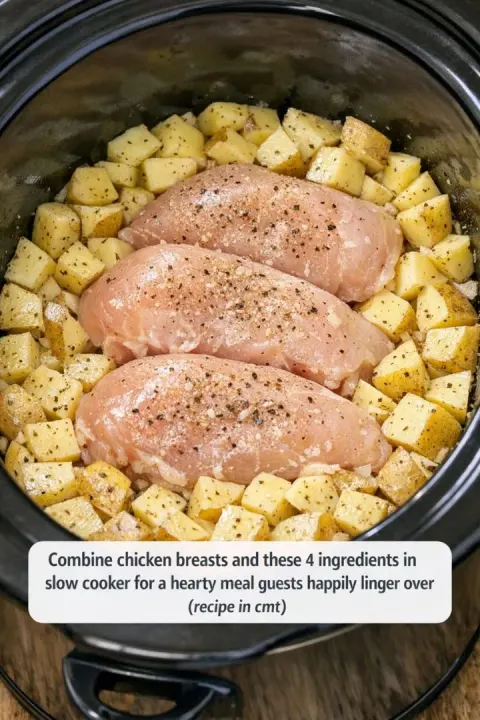 Dinner
Combine Chicken Breasts and These 4 Ingredients in the Slow Cooker for a Hearty Meal Guests Happily Linger Over
Thank you for being here 🤍. Truly—because this is one of those recipes that earns its place in your rotation.
 Dinner
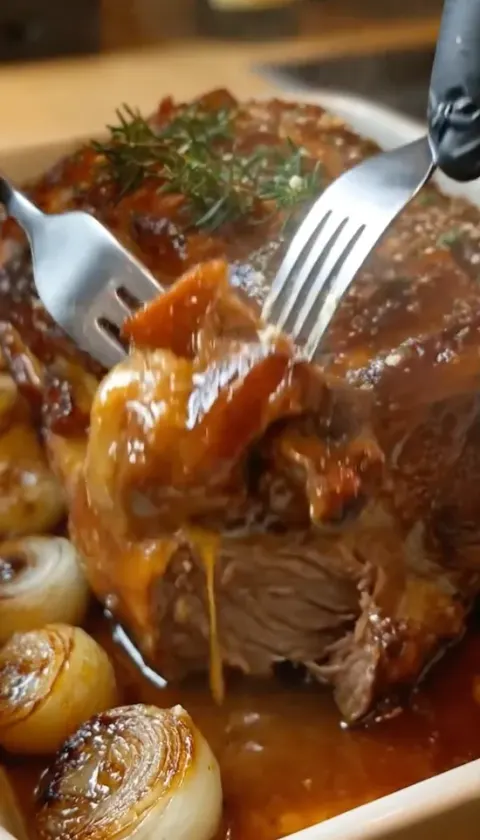
German-Style Roasted Beef Shank
Thank you so much for being here 🤎. Recipes like this take me straight to old-world kitchens—where food was slow-roasted, deeply flavorful…
 Dinner
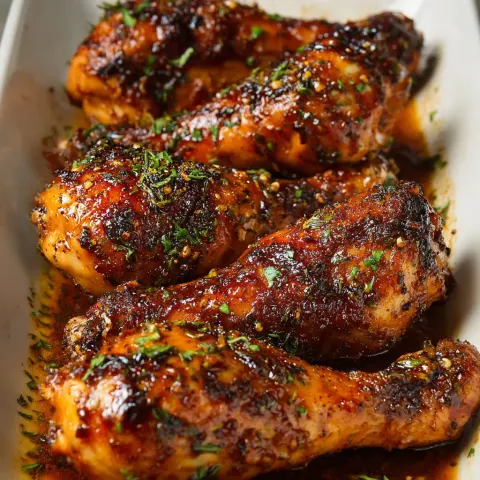
Baked Chicken Legs: Juicy Recipe with the Best Marinade for Flavor
Thank you so much for being here 💛. I honestly never get tired of sharing recipes that save dinner—and this one does exactly that.
 Dinner
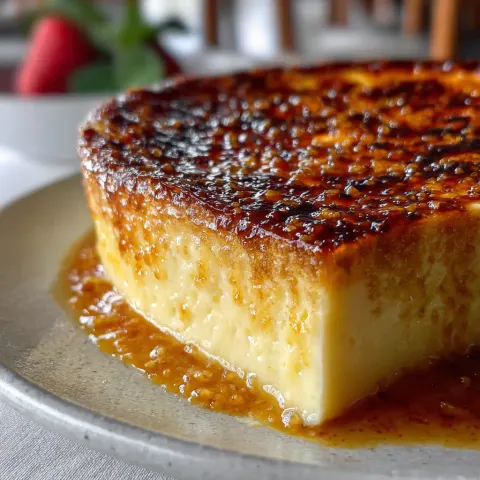
Best Crème Brûlée Cake Recipe: A Luxuriously Indulgent Treat
Thank you so much for being here 🤍. Truly—because this is one of those recipes. The kind that feels elegant, indulgent, and just a little bit magical.
 Dinner
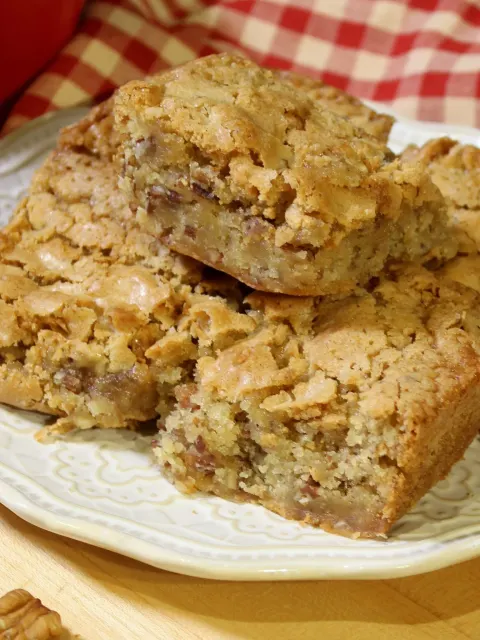
Sweet Alabama Pecan Bread
Thank you so much for being here 🤎. I truly appreciate you choosing to spend a little time in my kitchen today.
 Dinner
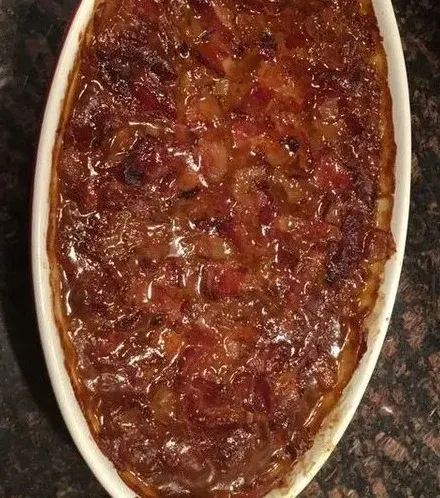
Southern Style Baked Beans
Thank you for being here 🤎—it truly means the world. There’s something deeply comforting about Southern food…
 Dinner
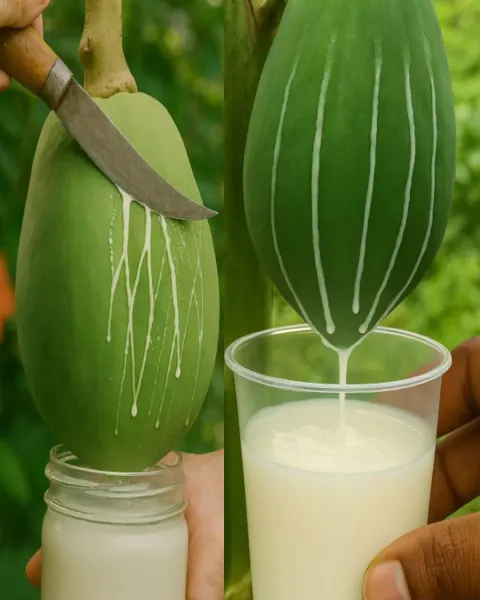
Papaya Releases a Milky Sap—But Most People Don’t Realize How Important It Is
The papaya is widely loved for its sweet tropical flavor and bright orange flesh, but this popular fruit hides a surprising secret.
 Dinner
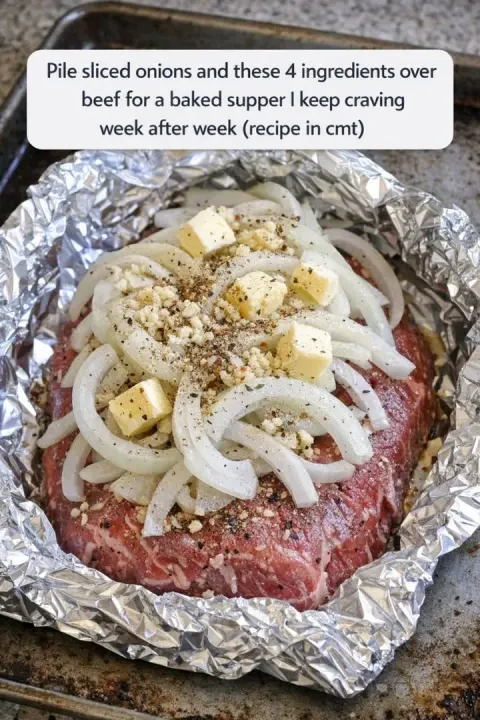
5-Ingredient Beef & Onion Foil Packet Dinner — The Cozy, No-Dish Weeknight Miracle You’ll Crave All Winter
Thank you so much for being here 🤍. Truly. When life feels busy, cold, and just plain exhausting, I know how valuable it is to have a dinner that shows up…