
Baking Soda on Your Face: Benefits, Risks, and How to Use It Safely
Baking Soda on Your Face is one of those beauty trends that keeps popping up — simple, affordable, and already sitting in your kitchen cabinet.
 By Amanda DavisFEB 25, 20264 MIN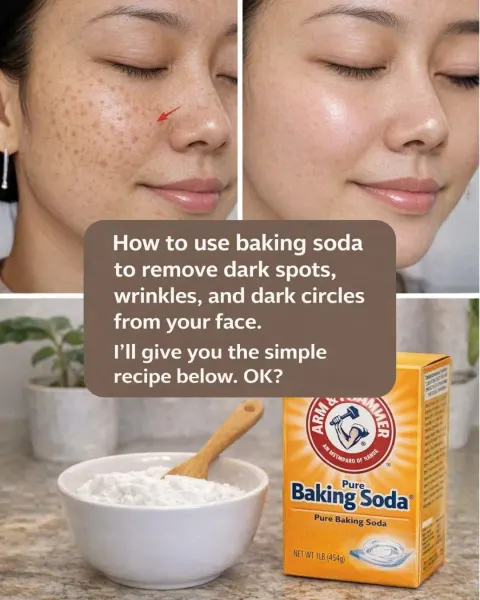
Baking Soda on Your Face is one of those beauty trends that keeps popping up — simple, affordable, and already sitting in your kitchen cabinet. And I’m so glad you’re here, because when it comes to skincare, understanding both the benefits and the risks makes all the difference.
Baking Soda on Your Face has been used as a DIY exfoliant, acne remedy, and brightening treatment. But while it may offer some short-term results, it’s important to know how to use it safely — and when to avoid it altogether.
If you enjoy practical wellness and beauty guides like this, be sure to subscribe by email so you never miss a helpful post.
Let’s break it all down clearly and honestly.
Why Do People Use Baking Soda on Their Face?
Baking soda (sodium bicarbonate) is mildly abrasive and alkaline. Because of that, many people use it for:
- Exfoliation
- Oil control
- Acne spot treatments
- Skin brightening
It’s inexpensive, widely available, and easy to mix with water — which makes it appealing as a DIY skincare option.
But there’s more to the story.
Potential Benefits of Baking Soda on Your Face
While dermatologists often recommend caution, some people report short-term benefits.
1. Exfoliation
Baking soda’s fine granules can remove dead skin cells, leaving skin feeling smooth.
2. Oil Reduction
It may temporarily reduce excess oil, making skin feel less greasy.
3. Acne Drying Effect
Because it’s alkaline, baking soda can dry out pimples quickly when used as a spot treatment.
4. Blackhead Reduction
Some people use it as a gentle scrub to loosen clogged pores.
The Risks of Baking Soda on Your Face
This is the part that truly matters.
Your skin naturally has a slightly acidic pH (around 4.5–5.5). Baking soda has a pH of about 9, which is quite alkaline.
1. Disrupts Skin Barrier
Using baking soda regularly can disturb your skin’s natural protective barrier.
2. Causes Dryness
It may strip natural oils, leading to tight, dry skin.
3. Irritation and Redness
Especially for sensitive skin types.
4. Increased Breakouts
Ironically, over-drying can cause your skin to produce more oil — leading to more acne.
5. Not Ideal for Long-Term Use
Dermatologists generally advise against frequent use.
How to Use Baking Soda on Your Face Safely
If you choose to try it, moderation is key.
Gentle Exfoliation Method
Ingredients:
- 1 teaspoon baking soda
- 1–2 teaspoons water
Instructions:
- Mix into a soft paste.
- Apply gently using circular motions.
- Massage for no more than 30 seconds.
- Rinse thoroughly with lukewarm water.
- Apply moisturizer immediately.
Limit use to once every 2–3 weeks.
Acne Spot Treatment
- Mix a tiny amount with water.
- Apply directly to blemish.
- Leave on for 5 minutes only.
- Rinse and moisturize.
Always patch test first.
Who Should Avoid Baking Soda on Their Face?
- People with sensitive skin
- Those with eczema or rosacea
- Anyone using retinoids or active skincare treatments
- Very dry skin types
If you’re unsure, consult a dermatologist.
Better Alternatives to Baking Soda
If you’re looking for gentle exfoliation, consider:
- Lactic acid (gentle AHA)
- Salicylic acid (for acne-prone skin)
- Enzyme exfoliants
- Soft washcloth exfoliation
These options are formulated to maintain skin’s pH balance.
Conclusion
Baking Soda on Your Face may offer short-term exfoliation and oil control, but it comes with real risks — especially when used too often. Your skin barrier is delicate, and protecting it should always come first.
If you choose to try it, use it sparingly and gently. And remember — just because something is natural doesn’t always mean it’s safe for regular skincare use.
If you found this guide helpful, share it on Pinterest so others can make informed skincare choices. And if you’d like more honest wellness breakdowns like this, be sure to subscribe for updates.
Healthy skin is happy skin ✨
Tips for Success
- Always patch test first.
- Do not leave on for extended periods.
- Follow with moisturizer.
- Stop immediately if irritation occurs.
Frequently Asked Questions
Can baking soda lighten skin?
There’s no scientific evidence that it safely lightens skin. It may temporarily brighten due to exfoliation.
How often can I use it?
At most, once every few weeks — if your skin tolerates it.
Is it good for acne?
It may dry pimples temporarily, but it’s not a long-term acne solution.
Can I mix it with lemon?
This is not recommended. Lemon is acidic and can increase irritation and sun sensitivity.
More Recipes You'll Love
All Health Health
Ginger Water: The Healthiest Drink You Can Start Your Day With
I’m so glad you’re here today — truly! Thank you for stopping by and choosing to spend a moment in my cozy kitchen corner.
 Health
Creamy Spinach Dip
Creamy Spinach Dip – The Perfect Party Starter! 🌿🧄 There’s something timeless about a Creamy Spinach Dip — that irresistible mix of creamy…
 Health
Garlic Parmesan Roasted Shrimp Recipe: A Savory Seafood Delight
If you’re craving a dish that’s quick, elegant, and bursting with flavor, this Garlic Parmesan Roasted Shrimp Recipe is the answer.
 Health
Stay Fresh, Stay Light: Cucumber-Ginger Infused Water
First of all, thank you for stopping by here—you’re clearly someone who values both flavor and wellness in everyday life.
🎖️ A Hero’s Birthday: The Soldier Who Saved 100 Lives
July 23rd wasn’t supposed to be anything special. No party. No balloons. Just another mission in the desert heat for Sergeant David Cole…
 Health
Put Oil on the Soles of Your Feet: Here’s Why You Might Want To
Safety Considerations and Tips Patch Test First: Always test new oils on a small area of skin before full application Dilute Essential Oils: Never apply…
HealthPut Oil on the Soles of Your Feet: Here’s Why You Might Want To
4. Stress Relief and Relaxation The act of massaging your feet with oil is inherently relaxing. It creates a moment of mindfulness in your day and can help…
HealthThe Amazing Benefits of Oiling Your Feet Before Bed: An Ancient Secret for Modern Wellness
Have you ever wondered why your grandmother might have rubbed oil on her feet before sleep? What seemed like an old-fashioned ritual is actually a powerful…