
Eating Boiled and Ground Eggshells: Why It’s Not a Safe Calcium Source
Eating Boiled and Ground Eggshells: Why It’s Not a Safe Calcium Source is a topic I’m genuinely grateful to talk about with you—because it sits right…
 By Amanda DavisAPR 17, 20264 MIN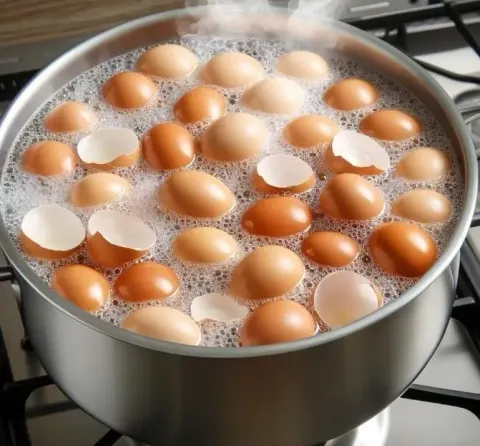
Eating Boiled and Ground Eggshells: Why It’s Not a Safe Calcium Source is a topic I’m genuinely grateful to talk about with you—because it sits right at the intersection of curiosity and caution in the kitchen. I completely understand the appeal: using something as simple and natural as eggshells for extra calcium sounds resourceful and even a little genius. But here’s the honest truth… it’s not as safe or beneficial as it might seem.
If you enjoy learning about food safety, smart cooking swaps, and nourishing recipes, don’t forget to subscribe—I love sharing both delicious ideas and the important “why behind them!”
Understanding Eating Boiled and Ground Eggshells: Why It’s Not a Safe Calcium Source
At first glance, eggshells seem like a perfect calcium boost. They’re rich in calcium carbonate, and boiling plus grinding might feel like enough to make them safe. But there are several reasons why this practice raises concerns.
The Real Risks Behind Eggshell Consumption
Even when boiled, eggshells can still harbor harmful bacteria like Salmonella. While heat reduces risk, it doesn’t guarantee complete safety—especially in home kitchen settings where temperature control may vary.
Then there’s the texture. Ground eggshells—even when finely crushed—can remain abrasive. This can potentially irritate the throat or digestive tract, particularly with repeated consumption.
Calcium Absorption Isn’t So Simple
Yes, eggshells contain calcium—but the body doesn’t always absorb it efficiently in this form. Unlike regulated supplements or calcium-rich foods, there’s no reliable way to measure dosage or ensure proper absorption.
Too much calcium, especially from unverified sources, can also lead to issues like kidney stones or interfere with the absorption of other essential nutrients.
Why People Consider Eggshells
Let’s be honest—this idea often comes from a good place:
- Reducing food waste
- Seeking natural alternatives
- Saving money on supplements
- Following DIY health trends
I get it. I’ve been tempted by clever kitchen hacks too! But not every “natural” solution is a safe one.
Safer and Better Calcium Sources
Instead of risking your health, there are so many delicious and safe ways to boost your calcium intake.
Everyday Calcium-Rich Foods
- Dairy products like milk, yogurt, and cheese
- Leafy greens such as kale and bok choy
- Almonds and sesame seeds
- Fortified plant-based milks
- Canned sardines or salmon (with soft, edible bones)
These options are not only safer but also come with additional nutrients your body loves.
Reliable Supplements
If you need more calcium, store-bought supplements are carefully regulated for safety and dosage. Always check with a healthcare provider to find what works best for you.
Common Misconceptions About Eggshell Calcium
“Boiling Makes Eggshells Completely Safe”
Not entirely. While boiling reduces bacteria, it doesn’t eliminate all risks—especially without controlled conditions.
“Natural Means Better”
Natural doesn’t always equal safe. There are plenty of natural substances that aren’t suitable for consumption.
“It’s Just Like a Supplement”
Not quite. Supplements are processed, purified, and measured. Eggshell powder made at home lacks consistency and safety checks.
Practical Kitchen Alternatives
If your goal is sustainability (which I love!), here are better ways to use eggshells:
- Add them to compost for garden health
- Use them to enrich soil for plants
- Create natural pest deterrents in your garden
This way, nothing goes to waste—and you stay safe.
Conclusion
Eating Boiled and Ground Eggshells: Why It’s Not a Safe Calcium Source comes down to one simple idea—just because something seems clever doesn’t mean it’s safe. While eggshells might look like a quick calcium fix, the risks outweigh the benefits.
There are so many better, safer, and honestly more enjoyable ways to nourish your body. Stick with trusted calcium sources, and keep experimenting in the kitchen where it truly shines—flavor, creativity, and comfort.
If you found this helpful, I’d love to hear your thoughts or see what you’re cooking—feel free to share on Pinterest or leave a comment!
Nutritional Insight (Alternative Calcium Sources per serving)
- Milk (1 cup): ~300 mg calcium
- Yogurt (1 cup): ~250–400 mg
- Almonds (1 oz): ~75 mg
- Kale (1 cup cooked): ~180 mg
Food should bring joy and nourishment—not unnecessary risk. Keep it safe, keep it delicious!
Frequently Asked Questions
Can I eat eggshells if they are finely ground?
Even finely ground eggshells can pose risks, including bacterial contamination and digestive irritation.
Are eggshells ever used safely in food?
In some industrial or controlled settings, eggshell calcium is processed under strict regulations—but that’s very different from home preparation.
What happens if I accidentally consume eggshell?
Small accidental amounts are usually harmless, but regularly consuming them is not recommended.
Is eggshell calcium better than dairy?
No—dairy and other calcium-rich foods are far safer, more nutritious, and easier for the body to absorb.
More Recipes You'll Love
All Dinner Dinner
Loaded Cheesy Pocket Tacos
Loaded Cheesy Pocket Tacos are everything I adore about comfort food—crispy on the outside, melty and savory on the inside, and endlessly customizable.
 Dinner
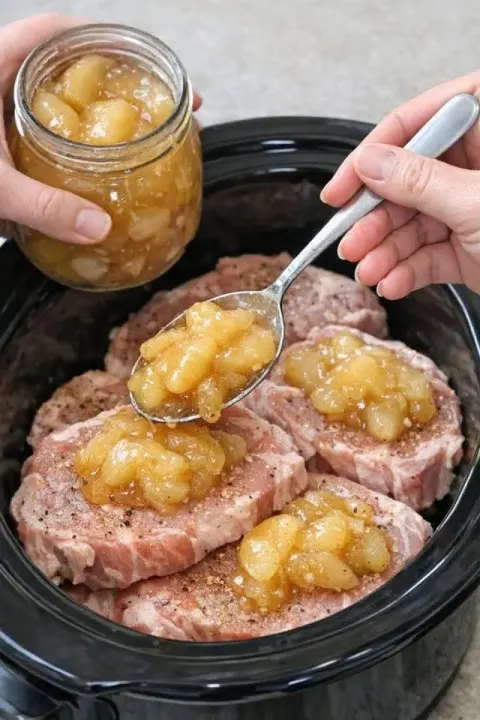
Slow Cooker Apple Pork Chop
Slow Cooker Apple Pork Chop is one of those comforting, cozy recipes that instantly makes a house feel like home.
 Dinner
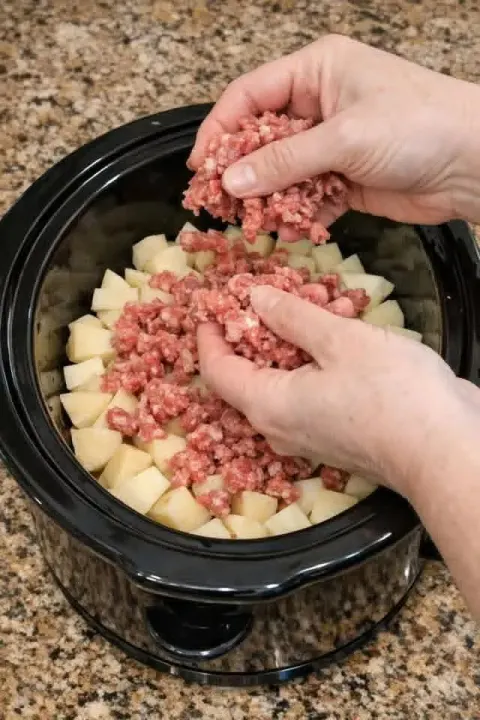
Slow Cooker Amish Poor Man’s Stew
There’s something deeply comforting about a humble, hearty meal that fills your kitchen with warmth and your heart with gratitude.
 Dinner
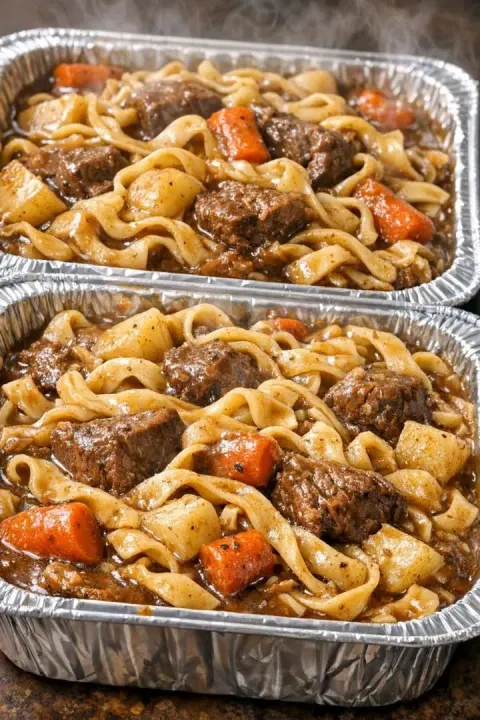
Slow Cooker 3-Ingredient Beef Stew Noodles
After a long, busy day, there’s nothing more comforting than a warm, hearty meal waiting for you—and Slow Cooker 3-Ingredient Beef Stew Noodles truly deliver…
 Dinner
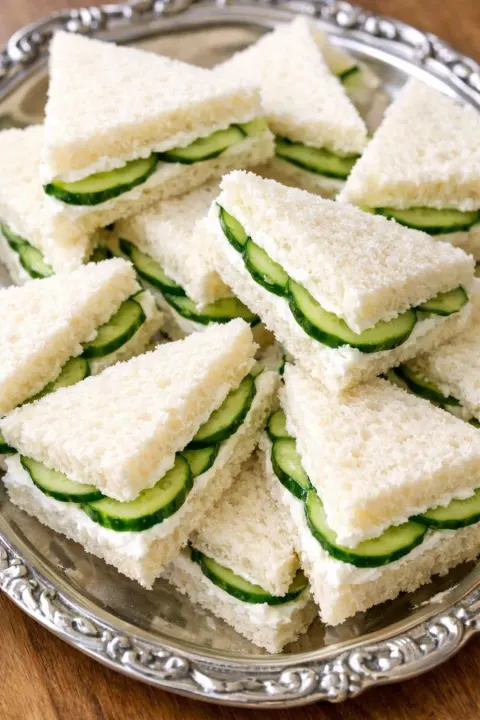
Easy Southern 4-Ingredient Cucumber Sandwiches (Classic Tea Party Recipe)
There’s something so charming and timeless about a delicate tea sandwich, and Easy Southern 4-Ingredient Cucumber Sandwiches (Classic Tea Party Recipe)…
 Dinner
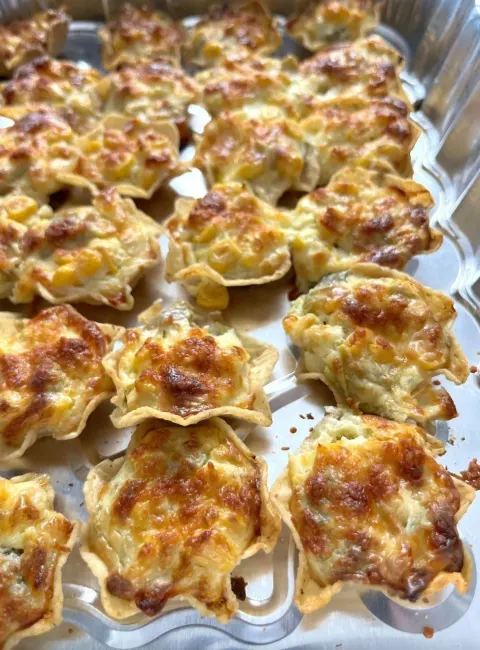
Iowa Party Bites
There’s something so heartwarming about bite-sized comfort food that brings everyone together, and Iowa Party Bites are exactly that kind of crowd-pleasing…
 Dinner
Vanilla Custard Cream Squares
There’s something truly special about a dessert that feels both elegant and comforting at the same time…
 Dinner
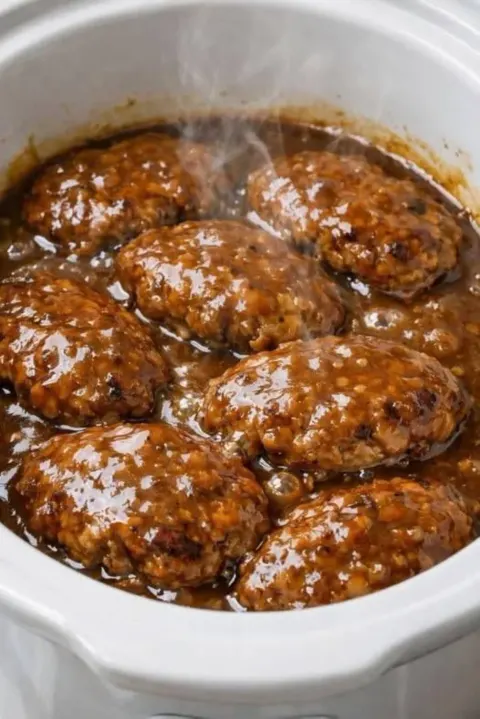
Slow Cooker Salisbury Steak
There’s something so nostalgic and comforting about a rich, gravy-smothered meal, and slow cooker Salisbury steak brings all of that cozy goodness right…