
Mystery Solved! What That Odd Kitchen Gadget From the Thrift Store Actually Is
Mystery Solved! What That Odd Kitchen Gadget From the Thrift Store Actually Is — and oh my goodness, if you’ve ever stood in a thrift store aisle holding…
 By Amanda DavisMAR 2, 20265 MIN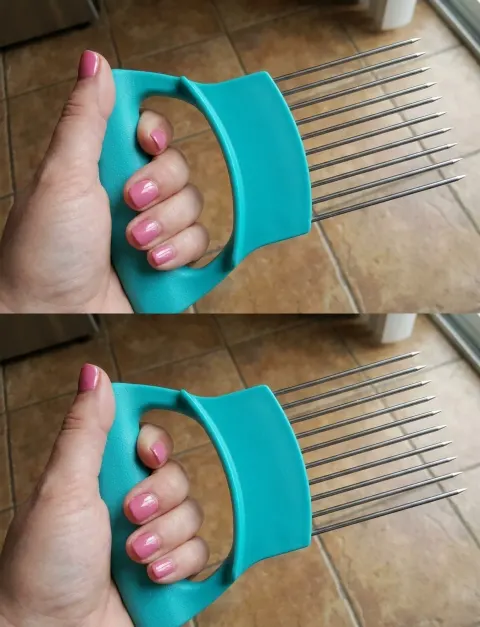
Mystery Solved! What That Odd Kitchen Gadget From the Thrift Store Actually Is — and oh my goodness, if you’ve ever stood in a thrift store aisle holding a strange metal contraption and thinking, “What on earth does this do?”… you are not alone. First, thank you for being here and sharing in this little kitchen adventure with me. There’s something so special about uncovering forgotten culinary treasures and giving them new life.
If you love discovering vintage kitchen finds and learning how to use them, be sure to subscribe by email so you never miss a fun kitchen mystery like this one!
Today we’re diving into one of the most commonly misidentified thrift store gadgets: the vintage food mill.
Overview of the Mystery Kitchen Gadget
At first glance, this gadget looks confusing. It often has:
- A round metal bowl
- A hand crank on top
- A perforated bottom plate
- A curved blade inside
Some people guess it’s a sifter. Others think it’s a strainer. I’ve even heard “old-fashioned mixer!” But the mystery gadget is actually a food mill — a classic tool used for pureeing and straining soft foods.
And once you know what it is, it suddenly makes perfect sense!
Why This Vintage Food Mill Is So Special
Before food processors and high-powered blenders, home cooks relied on simple mechanical tools like the food mill to create smooth sauces and purees. It’s wonderfully low-tech and surprisingly effective.
Reasons to Love a Food Mill
- No electricity required
- Creates ultra-smooth purees
- Separates seeds and skins automatically
- Durable and long-lasting
- Perfect for small-batch cooking
I promised you versatile, and here’s proof — this little gadget does more than you might think!
What Does a Food Mill Actually Do?
A food mill works by pressing soft food through small holes in a perforated plate while a rotating blade pushes everything forward. As you turn the crank:
- Smooth pulp passes through
- Seeds and skins stay behind
It’s brilliant in its simplicity.
The texture it creates is smoother than mashing but more rustic than blending. Think silky tomato sauce with body. Creamy mashed potatoes without gumminess. Applesauce that tastes homemade in the best possible way.
Common Uses for a Food Mill
1. Homemade Tomato Sauce
This is perhaps the most classic use. Simply cook tomatoes until soft, then run them through the mill. It separates skins and seeds automatically — no peeling required!
2. Applesauce
Soft-cooked apples go in. Smooth, dreamy applesauce comes out. The smell when this is in the kitchen is incredible!!
3. Mashed Potatoes
The result? Light, fluffy, and never gluey. Because there’s no blade overprocessing the starch, the texture stays perfect.
4. Baby Food
Before store-bought pouches were everywhere, food mills were a staple for making smooth vegetable and fruit purees.
5. Soups and Purees
Roasted vegetables become silky soups with just a few turns of the crank.
Anything but boring!!
How to Identify a Vintage Food Mill
If you’re standing in a thrift store wondering whether you’ve found one, look for these features:
- A removable bottom disk with holes
- A hand crank mechanism
- A curved scraping blade
- Three short legs (on some models) to sit over a bowl
Many older models are stainless steel or aluminum. Some even come with interchangeable disks for different textures.
Necessary Tools to Use It
You don’t need much:
- A bowl to catch the puree
- Cooked, softened food
- A little patience while turning the crank
That’s it. Simple, satisfying, and surprisingly fun to use.
Storage and Care
Most food mills are sturdy metal, so they last decades with proper care.
- Wash with warm soapy water.
- Dry completely to prevent rust.
- Store disassembled if possible.
Some modern versions are dishwasher-safe, but vintage ones are best hand-washed.
General Information About the Food Mill
The food mill has been around for centuries in various forms. It became especially popular in mid-20th-century kitchens before electric appliances took over.
Today, it’s beloved by:
- Home canners
- Sauce enthusiasts
- Traditional cooks
- Vintage kitchen collectors
And honestly? It deserves a comeback.
Conclusion
That odd kitchen gadget from the thrift store? Mystery solved. It’s a food mill — a timeless, practical tool that transforms soft foods into smooth, beautiful purees without electricity or fuss.
There’s something deeply satisfying about turning a crank and watching silky sauce fall into a bowl. It connects us to generations of cooks who made incredible meals with simple tools.
If you enjoyed solving this kitchen mystery, you might also love:
- How to Identify Vintage Baking Pans
- The Difference Between a Sifter and a Flour Mill
- Creative Ways to Use Overripe Fruit
Have you ever found a mysterious kitchen gadget and later discovered what it was? Leave a comment and tell me your story! And if you have a photo of your thrift store find, share it on Pinterest — I’d love to see it.
Nutritional Information
Since this article focuses on a kitchen tool rather than a specific recipe, nutritional values will depend on the food you prepare with your food mill.
Thank you for joining me on this little kitchen treasure hunt. Here’s to rediscovering old tools and making something delicious with them!
Tips for Success
- Always cook food until very soft before milling.
- Work in small batches for easier turning.
- Scrape the underside occasionally to collect puree.
- Wash immediately after use for easier cleaning.
Trust me — once you use it for fresh tomato sauce, you’ll feel like a vintage kitchen pro.
Frequently Asked Questions
Is a food mill the same as a food processor?
No. A food processor uses sharp blades and electricity. A food mill manually presses food through holes, giving a smoother but more controlled texture.
Can I use it for raw vegetables?
Not usually. Most foods need to be softened first.
Is it worth buying one secondhand?
Absolutely! Vintage models are often sturdier than newer plastic versions.
How much should I pay at a thrift store?
Typically between $5–$15, depending on condition and brand.
Do I really need one?
If you love homemade sauces, applesauce, or mashed potatoes — yes. It’s simple, effective, and charmingly old-school.
More Recipes You'll Love
All Dinner Dinner
Apple Cinnamon Oat Crumble Bars
Apple Cinnamon Oat Crumble Bars are the kind of cozy, heartwarming treat that make your kitchen smell like pure comfort.
 Dinner
Creamy Banana Bread Pudding
Creamy Banana Bread Pudding is the kind of cozy dessert that feels like a warm hug after a long day. First…
 Dinner
3-Ingredient Chocolate Oat Cookies
3-Ingredient Chocolate Oat Cookies are the kind of simple, feel-good treat that remind me why I fell in love with baking in the first place.
 Dinner
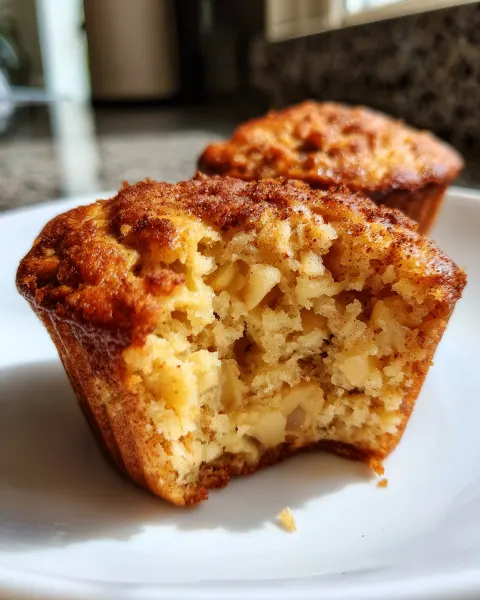
No-Flour Cinnamon Apple Breakfast Muffins You Need to Try
No-Flour Cinnamon Apple Breakfast Muffins You Need to Try are the cozy, wholesome morning treat your kitchen has been waiting for.
 Dinner
3-Ingredient Peanut Butter Banana Cookies
3-Ingredient Peanut Butter Banana Cookies are proof that simple really can be spectacular. With just ripe bananas, creamy peanut butter…
 Dinner
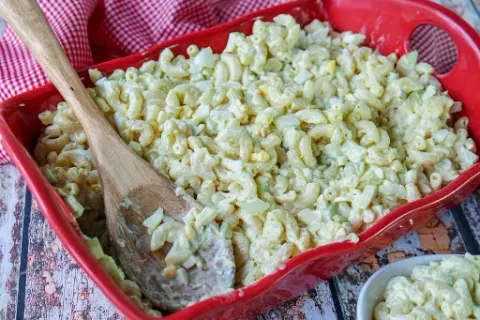
Mom’s Macaroni Salad
Mom’s Macaroni Salad is the kind of recipe that instantly brings you back to backyard barbecues, church potlucks…
 Dinner
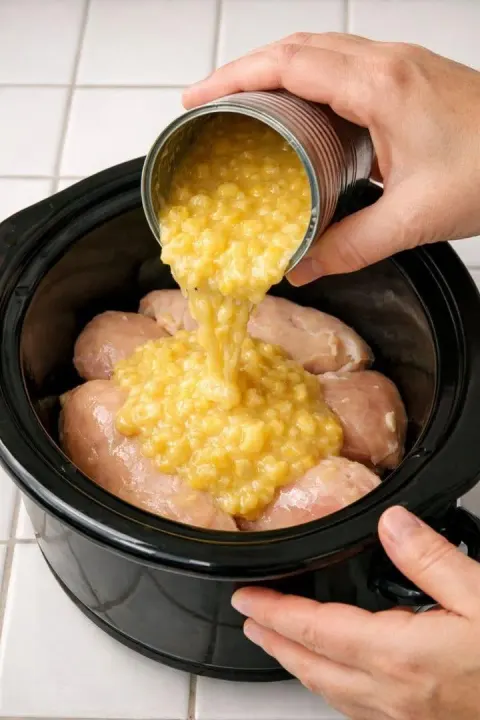
Dump cream style corn over chicken breasts, along with 2 ingredients, into slow cooker for a hearty meal that disappears faster than anything else
Slow Cooker Creamed Corn Chicken Slow Cooker Creamed Corn Chicken is the kind of hearty, comforting meal you can literally dump into the slow cooker and walk…
 Dinner
Mediterranean Creamy Pistachio Protein Gelato Recipe
Mediterranean Creamy Pistachio Protein Gelato Recipe lovers, this one is truly special. It’s rich, nutty, luxuriously creamy—and secretly packed with protein.