
Pumpkin Pie Recipe
This classic pumpkin pie recipe is creamy, warmly spiced, and easy to make from scratch — the perfect make-ahead dessert for Thanksgiving and fall baking.
 By Amanda DavisSEP 20, 202611 MIN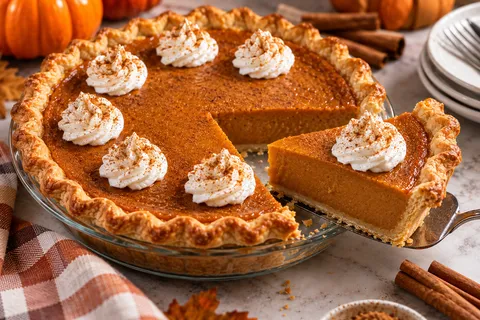
This post may contain affiliate links. If you buy something through one of them, we may earn a small commission at no extra cost to you. Learn more.
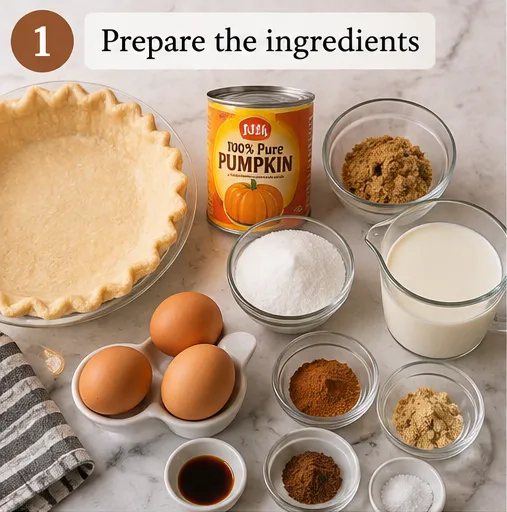
Ingredients
Instructions
- Preheat the oven to 425°F. Fit the pie crust into a 9-inch pie dish, crimp the edges, and chill it in the refrigerator while you make the filling.
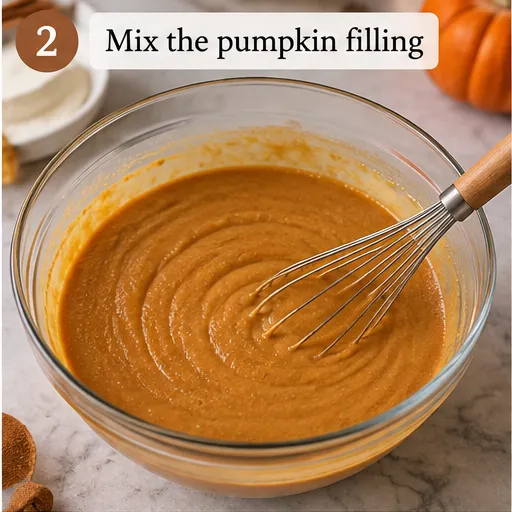
- In a large bowl, whisk the pumpkin puree, granulated sugar, and salt together until smooth.
- Whisk in the cinnamon, ginger, and cloves until evenly combined and no streaks of spice remain.
- Whisk in the eggs one at a time, then gradually whisk in the evaporated milk until the filling is smooth and pourable.
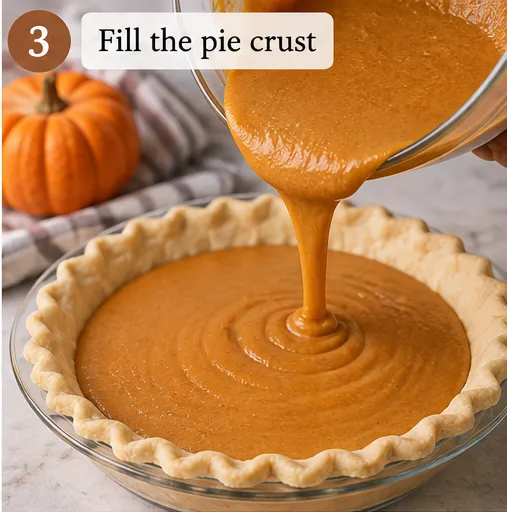
- Pour the filling into the chilled crust and set the pie on a rimmed baking sheet (it catches any drips and makes moving the pie easier).
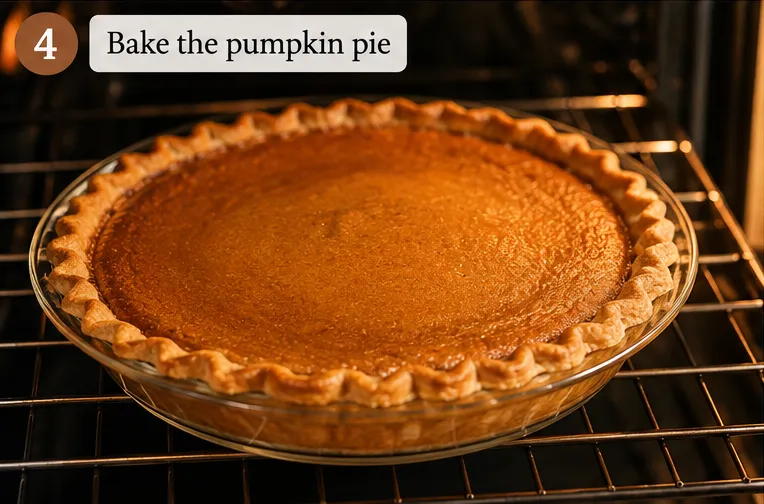
- Bake at 425°F for 15 minutes, then — without opening the oven door — reduce the temperature to 350°F and continue baking for 40 to 50 minutes.
- Check for doneness: the edges should look set and matte, while the center still jiggles slightly like gelatin, not like liquid. Tent the crust edges with foil if they're browning too fast.
- Cool the pie on a wire rack at room temperature for 2 to 3 hours, then refrigerate for at least 1 hour before slicing.
Pumpkin pie doesn't need a long ingredient list or a complicated technique to taste like the best part of Thanksgiving. This one comes together with pantry staples and a handful of warm spices, bakes into a filling that's silky and custard-smooth rather than dense or eggy, and holds a clean slice once it's fully chilled. It's the kind of pie you can make the day before your holiday dinner and forget about until it's time to serve.
If you've had pumpkin pie turn watery, crack down the middle, or taste more like raw eggs than pumpkin, the method below fixes all three — and explains exactly why each step matters, not just what to do.
Quick Recipe Facts
- Prep time: 15 minutes
- Cook time: 55 minutes (two oven temperatures)
- Cooling time: at least 3 hours
- Total time: about 4 hours 10 minutes
- Servings: 8 slices
- Oven temperature: 425°F, then reduced to 350°F
Why You'll Love This Pumpkin Pie
Real, Simple Ingredients
No pudding mixes, no shortcuts that dilute the pumpkin flavor — just pumpkin puree, eggs, evaporated milk, sugar, and spice.
Creamy, Never Eggy
The ratio of pumpkin to eggs to milk here is balanced specifically to set into a smooth custard, not a rubbery one.
Genuinely Make-Ahead
This pie needs to chill before slicing anyway, which makes it one of the easiest Thanksgiving desserts to prep a full day in advance.
Beginner-Friendly
One bowl for the filling, one crust, and a two-temperature bake that does most of the work for you.
Ingredient Notes & Substitutions
A few notes on what's actually in this pie, and where you can adjust it.
Pumpkin Puree
Use plain canned pumpkin puree — the label should say "100% pure pumpkin," with pumpkin as the only ingredient. This is not the same product as canned pumpkin pie filling (more on that below).
Evaporated Milk
Evaporated milk is shelf-stable milk with about 60% of its water removed, which gives this filling its dense, creamy texture without making it heavy. Sweetened condensed milk is a different product with added sugar — don't substitute it here, or the pie will be overly sweet and won't set the same way.
Spices
Cinnamon, ginger, and cloves are the core of a classic pumpkin pie flavor. If you only have pumpkin pie spice blend on hand, 1½ teaspoons of it can stand in for all three individual spices.
Sugar
Light brown sugar can replace the granulated sugar in an equal amount for a slightly deeper, more molasses-forward flavor.
Pie Crust
A store-bought refrigerated crust works perfectly well here and saves time. If making your own, a deep-dish crust gives you a little extra room so the filling doesn't come right up to the rim.
Equipment
Essential Tools
- 9-inch pie dish
- Large mixing bowl
- Whisk
- Rimmed baking sheet (to catch drips and steady the pie in the oven)
- Wire cooling rack
- Foil or a pie crust shield (to protect the edges from over-browning)
Best Pumpkin to Use
Canned vs. Fresh Pumpkin
Canned pumpkin puree is the better choice for this recipe, and it's not just a matter of convenience. Canned puree is made from dense, low-moisture pumpkin varieties bred specifically for cooking, and it's simmered down to a consistent thickness. Fresh sugar pumpkins can work, but homemade puree tends to hold more water, which can leave you with a softer-set, wetter filling unless you drain it well first. If you do use fresh puree, strain it through a fine-mesh sieve or cheesecloth for at least an hour to remove excess liquid.
Pumpkin Puree vs. Pumpkin Pie Filling
These are not interchangeable, even though they sit next to each other on the shelf. Pumpkin puree is just cooked, pureed pumpkin — nothing else added. Pumpkin pie filling already has sugar and spices mixed in at fixed proportions. This recipe is built around plain puree so the sweetness and spice level are controlled here, in the recipe — using pie filling instead will throw off both the flavor and how the filling sets.
How to Know When Pumpkin Pie Is Done
Pumpkin pie is a custard, and custards firm up as they cool — not just in the oven. The pie is ready to come out when:
- The outer 2 inches of filling look matte and set, not shiny or wet.
- The very center still jiggles slightly when you nudge the pan, moving like firm gelatin rather than rippling like liquid.
- A thin knife inserted an inch from the center comes out mostly clean.
That slight jiggle in the center is exactly what you want — it will finish setting as the pie cools. Waiting for the whole pie to look completely still in the oven is the single most common cause of an overbaked, cracked filling.
Common Pumpkin Pie Mistakes to Avoid
- Using pumpkin pie filling instead of puree — throws off both sweetness and how the custard sets.
- Overbaking until the center is completely firm — guarantees cracking and a grainy texture.
- Skipping the high-heat start — baking at a single low temperature the whole time can leave the crust pale and slightly underdone.
- Slicing while still warm — the filling hasn't finished setting yet and will slide instead of holding a clean edge.
- Not chilling the crust before filling — a warm, soft crust is more likely to shrink or slump during baking.
How to Prevent a Soggy Pie Crust
A pumpkin pie's wet filling sits in the crust for close to an hour of baking, which gives it plenty of time to soak in if the crust isn't ready for it. A few things help:
- Chill the crust for at least 30 minutes before filling — cold fat in the dough holds its structure better under a wet filling.
- Start baking at the higher 425°F temperature; this sets the crust's structure quickly before it has a chance to absorb much moisture.
- Place the pie on the lowest oven rack for the first 15 minutes so the bottom crust gets direct heat.
- If your crust recipe or package suggests it, a light egg wash on the base before filling can add a thin moisture barrier.
How Long to Bake Pumpkin Pie
This pie bakes in two stages: 15 minutes at 425°F to set the crust and outer edge of the filling, then 40 to 50 minutes at 350°F to gently finish the custard without overcooking it. Total bake time is usually right around 55 to 65 minutes, but ovens vary — start checking for the jiggle test at the 40-minute mark of the second stage.
How Long to Cool Pumpkin Pie
Plan on at least 3 hours of cooling before serving: about 2 to 3 hours on a wire rack at room temperature, followed by at least 1 hour in the refrigerator. The pie needs this time for the custard to fully set — slicing too early is the most common reason a pumpkin pie looks undercooked even when it isn't.
Make-Ahead Instructions
Pumpkin pie is one of the better Thanksgiving desserts to make ahead, since it needs to be fully chilled before serving anyway. Bake it up to 2 days ahead, cool it completely, then cover loosely and refrigerate until you're ready to serve. Add any whipped cream just before serving rather than in advance.
How to Store Pumpkin Pie
Does Pumpkin Pie Need to Be Refrigerated?
Yes. Because the filling is an egg-and-dairy custard, pumpkin pie should be refrigerated within 2 hours of baking, not left out on the counter.
Refrigerator Storage
Cover the cooled pie loosely with plastic wrap or foil and refrigerate for up to 4 days.
Can You Freeze Pumpkin Pie?
Yes — baked pumpkin pie freezes well. Cool it completely, then wrap it tightly in plastic wrap followed by a layer of foil, or place it in an airtight container. Freeze for up to 1 month. Thaw overnight in the refrigerator before serving; the texture holds up better than most custard-based desserts after freezing.
How to Reheat or Serve It
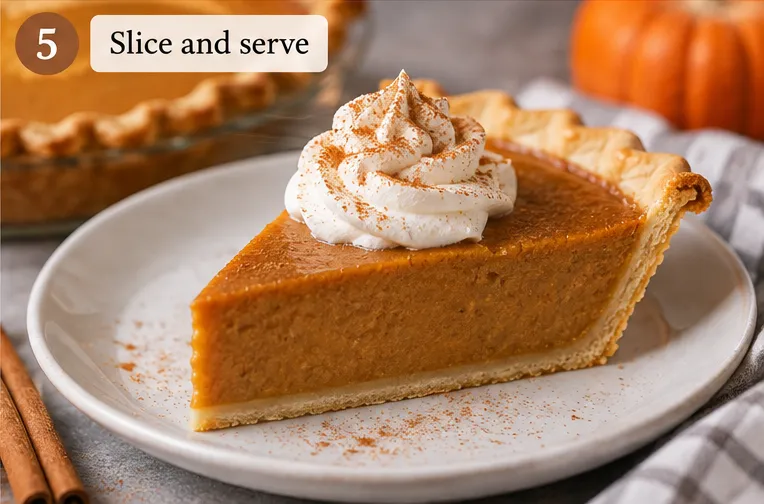
Pumpkin pie is traditionally served chilled or at room temperature, straight from the refrigerator. If you'd like it slightly warm, let a slice sit at room temperature for 20 to 30 minutes, or warm it in a low oven (around 300°F) for 10 minutes — avoid the microwave, which can make the edges of the filling rubbery.
What to Serve With Pumpkin Pie
- Freshly whipped cream
- A scoop of vanilla ice cream
- A dusting of extra cinnamon or nutmeg
- A drizzle of caramel sauce
[Internal Link: Thanksgiving Desserts]
[Internal Link: Pie Recipes]
Nutritional Information
Approximate values per serving (based on 8 servings):
- Calories: 320
- Protein: 6g
- Carbohydrates: 43g
- Fat: 14g
- Saturated Fat: 5g
- Fiber: 2g
- Sugar: 26g
- Sodium: 350mg
Nutrition values are approximate and may vary depending on the specific ingredients used, especially the pie crust.
Conclusion
This pumpkin pie leans on a few genuinely important techniques — the two-stage bake, the jiggle test, the full cooling time — rather than a long ingredient list, and that's exactly why it turns out creamy and crack-free. Make it a day ahead, let it chill fully, and it'll be ready to slice the moment your Thanksgiving table is.
If you make this recipe, leave a star rating and a comment below — I'd love to hear how it turned out!
You May Also Enjoy
[Internal Link: Thanksgiving Desserts]
[Internal Link: Easy Dessert Recipes]
Tips for Success
Don't Overbake
Pull the pie while the center still jiggles. Residual heat keeps cooking the filling for several minutes after it leaves the oven.
Cool Gradually
A pie pulled from a hot oven into a cold spot can cool unevenly, and the outer filling contracts faster than the center — that's what causes surface cracks. Let it cool on a rack at room temperature first, away from drafts, before refrigerating.
Don't Overmix After Adding Eggs
Whisk just until the eggs and milk are incorporated. Overbeating adds excess air, which can cause the filling to puff up in the oven and then sink and crack as it cools.
Use Room-Temperature Eggs
Cold eggs whisked into the pumpkin mixture can cause it to seize slightly, leading to a less smooth bake. A few minutes on the counter is enough to take the chill off.
Frequently Asked Questions
Is canned pumpkin or fresh pumpkin better for pumpkin pie?
Canned pumpkin puree is more consistent and less watery than most homemade fresh pumpkin puree, which makes it the more reliable choice for this recipe. If you use fresh, strain it well first.
Is pumpkin puree the same as pumpkin pie filling?
No. Pumpkin puree is just cooked, pureed pumpkin with nothing added. Pumpkin pie filling already contains sugar and spices. This recipe uses plain puree so you control the sweetness and spice yourself.
Why is my pumpkin pie watery?
This usually comes from using fresh pumpkin puree that wasn't drained well, or from slicing the pie before it's fully cooled and set — the custard needs its full cooling time to firm up.
Why did my pumpkin pie crack?
Cracking is almost always from overbaking or cooling too quickly. Pull the pie while the center still has a slight jiggle, and let it cool gradually on a rack at room temperature before refrigerating.
Should pumpkin pie jiggle when done?
Yes — the center should jiggle slightly like set gelatin, not ripple like liquid. It will finish firming up as it cools.
Does pumpkin pie need to be refrigerated?
Yes. Because of the eggs and dairy in the filling, pumpkin pie should go into the refrigerator within 2 hours of baking or cooling.
Can pumpkin pie be made the day before Thanksgiving?
Yes — in fact, it's one of the best pies to make ahead, since it needs several hours to chill and set before serving anyway.
How long does pumpkin pie last in the refrigerator?
Properly covered, it keeps well in the refrigerator for up to 4 days.
Can pumpkin pie be frozen?
Yes, baked pumpkin pie freezes well for up to 1 month when wrapped tightly. Thaw it overnight in the refrigerator before serving.
More Recipes You'll Love
All Desserts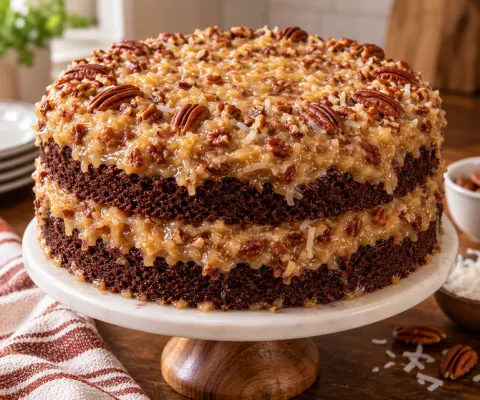 Desserts
Classic German Chocolate Cake Recipe (Moist & Easy)
Moist chocolate layers filled with rich, homemade coconut pecan frosting — the classic celebration cake that's worth making from scratch.
 Desserts
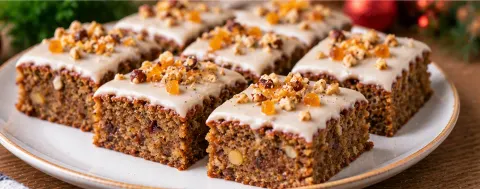
Lebkuchen Bars
Soft, chewy bar cookies loaded with cinnamon, ginger, cloves, and nutmeg bring all the flavor of classic German Lebkuchen without shaping a single cookie.
 Desserts
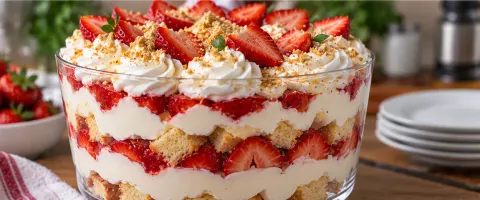
Strawberry Cheesecake Trifle 🍓🍰
Layers of soft cake, creamy cheesecake filling, and juicy strawberries make this trifle as gorgeous to look at as it is easy to throw together.
 Desserts
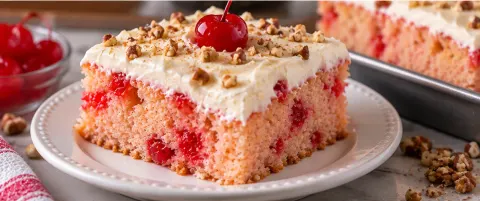
Maraschino Cherry Cake 🍒🍰
A soft cake built from a doctored-up boxed mix, swirled with maraschino cherry juice and studded with real cherries and pineapple — cheerful, pink…
 Desserts
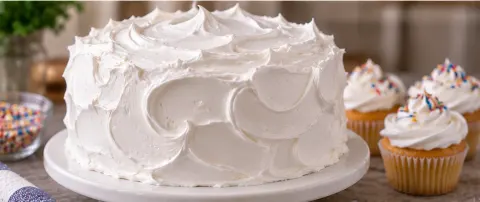
7 Minute Frosting 🍰☁️
Whip up a cloud-like, glossy frosting in just minutes — this old-fashioned 7 Minute Frosting turns simple pantry staples into a marshmallow-soft topping.
 Desserts
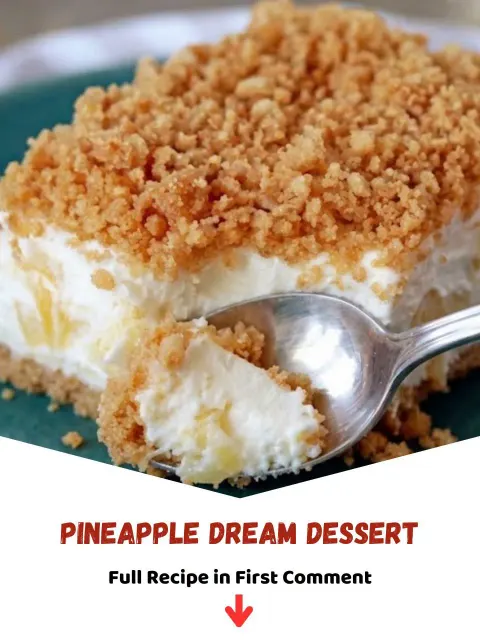
Pineapple Dream Dessert 🍍🍰
If you’re searching for a light, creamy, and refreshing no-bake dessert, this Pineapple Dream Dessert is exactly what you need.
 Desserts
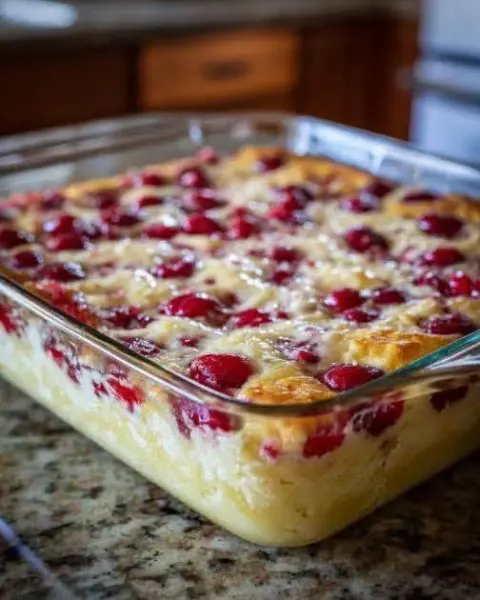
3-Ingredient Cherry Dessert 🍒🍰
If you’re looking for a simple, crowd-pleasing dessert that comes together in minutes, this 3-Ingredient Cherry Dessert is the perfect recipe.
 Desserts
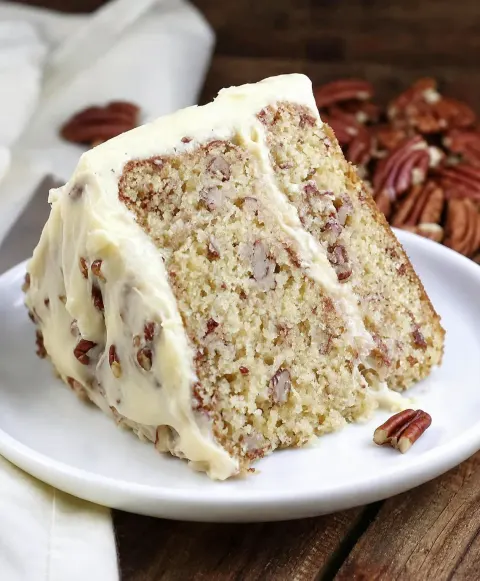
Cake Mix Italian Cream Cake 🥥🌰🍰
If you love the rich, classic flavor of Italian Cream Cake but want an easier way to make it, this Cake Mix Italian Cream Cake is the perfect recipe.