
Purple Chicken Mystery Solved: A Home Cook’s Guide to Safe Poultry Handling
Purple Chicken Mystery Solved — first, thank you for being here. Truly. If you’ve ever opened a package of chicken and paused because the color looked… off…
 By Amanda DavisJAN 28, 20265 MIN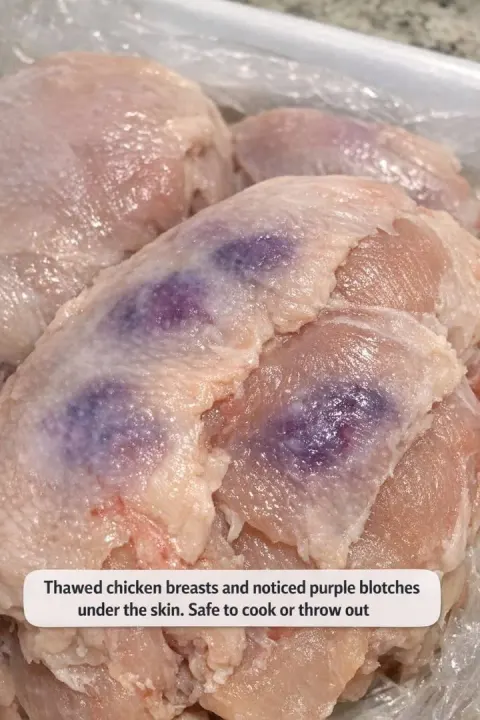
Purple Chicken Mystery Solved — first, thank you for being here. Truly. If you’ve ever opened a package of chicken and paused because the color looked… off, you’re not alone. I’m grateful you trusted me with this question, because food safety confusion can be stressful, and no one wants to guess when it comes to their family’s dinner. Let’s clear the air together. By the end of this guide, the purple chicken mystery won’t feel mysterious at all.
If topics like this are helpful, I invite you to subscribe to get kitchen tips and food safety guides by email. These are the kinds of things every home cook deserves to feel confident about.
Purple Chicken Mystery Solved: What This Guide Covers
This Purple Chicken Mystery Solved guide explains why chicken can sometimes appear purple, blue, or gray, when it’s safe to eat, and when it absolutely isn’t. No scare tactics—just clear, practical information you can actually use in your kitchen.
Why Home Cooks Love This Guide
- Removes fear and confusion around poultry color
- Explains science in plain, human language
- Helps prevent food waste and foodborne illness
- Builds confidence when handling raw chicken
What “Purple Chicken” Usually Looks Like
Purple chicken can appear:
- Bluish or purplish near bones
- Grayish-purple patches under the skin
- Darker spots in thighs or drumsticks
And yes, it can look alarming at first glance. I’ve been there, staring at the package thinking, Is this normal… or a hard no?
Purple Chicken Mystery Solved: The Real Reasons Chicken Turns Purple
1. Oxygen and Myoglobin Reaction
Chicken contains myoglobin, a protein that stores oxygen in muscle tissue. When exposed to air or cold temperatures, myoglobin can darken, creating a purple or bluish hue. This is especially common in:
- Dark meat (thighs and drumsticks)
- Bone-in cuts
This reaction is normal and not a sign of spoilage.
2. Freezing and Thawing Effects
Frozen chicken often looks darker once thawed. Ice crystals damage muscle fibers, allowing pigments to concentrate and appear purple or gray. This is purely visual and doesn’t automatically mean the chicken is unsafe.
3. Bone Marrow Leakage
In younger chickens, bone marrow can seep into surrounding meat during freezing, especially near the bones. This causes a purple or reddish tint that can look dramatic but is completely harmless when cooked properly.
4. Packaging and Lighting Illusions
Vacuum-sealed packaging and grocery store lighting can exaggerate color changes. Once opened and exposed to air for a few minutes, the chicken often lightens noticeably.
When Purple Chicken Is NOT Safe to Eat
This is where instinct matters—and you should always trust it.
Signs Chicken Has Gone Bad
If you notice any of the following, do not cook it:
- Sour, rotten, or sulfur-like smell
- Slimy or sticky texture (not just moist)
- Green, yellow, or fuzzy spots
- Packaging that was bloated before opening
Color alone doesn’t determine safety—but smell and texture absolutely do.
Purple Chicken Mystery Solved: How to Handle Chicken Safely at Home
Safe Storage Tips
- Refrigerate raw chicken at or below 40°F (4°C)
- Use within 1–2 days of purchase
- Freeze if not using immediately
- Store on the bottom shelf to avoid drips
Safe Preparation Tips
- Wash hands before and after handling
- Never rinse raw chicken (it spreads bacteria)
- Use separate cutting boards for meat
- Sanitize surfaces immediately
Cooking Is the Final Safety Check
Chicken is safe when it reaches an internal temperature of 165°F (74°C). Once fully cooked, any purple coloring caused by myoglobin or marrow is no longer a concern.
Can Cooked Chicken Still Look Purple?
Yes—and this surprises a lot of people.
Cooked chicken can sometimes retain a pink or purplish tint near the bone even when fully cooked. This is common in:
- Smoked chicken
- Grilled bone-in cuts
- Younger birds
Always rely on temperature, not color alone.
General Food Safety Information Every Cook Should Know
Food safety isn’t about memorizing rules—it’s about understanding why things happen. Color changes in meat are often natural chemical reactions, not danger signs. Knowing the difference saves money, reduces waste, and keeps your kitchen calm instead of stressful.
I can’t tell you how many times I’ve heard, “I tossed it just in case.” And sometimes that’s okay—but often, it’s completely unnecessary.
Conclusion: Confidence Is the Real Answer
Purple Chicken Mystery Solved comes down to this: color alone doesn’t determine safety. Smell, texture, storage, and temperature matter far more. Once you understand what causes purple chicken, it stops being scary and starts being just another normal part of cooking.
You don’t need to panic. You don’t need to guess. You just need the right information—and now you have it.
Helpful Related Guides You Might Like
- How Long Chicken Lasts in the Fridge
- Safe Internal Temperatures for All Meats
- Freezer Burn vs Spoilage: How to Tell the Difference
- Common Food Myths That Waste Money
Let’s Keep the Conversation Going
Have you ever opened a package of chicken and hesitated? You’re not alone. Leave a comment, share your experience, or save this guide on Pinterest so it’s there the next time the purple chicken panic tries to sneak up on you 📌💛
Frequently Asked Questions
Is purple chicken safe if it smells fine?
Usually, yes. If there’s no off odor, sliminess, or mold, it’s likely safe.
Does purple chicken mean it’s undercooked?
Not necessarily. Only a thermometer can confirm doneness.
Why does chicken look purple near the bone?
Bone marrow pigments and myoglobin are the most common reasons.
Can spoiled chicken ever look normal?
Unfortunately, yes—which is why smell and texture matter more than color.
Should I throw it away just to be safe?
If you’re unsure and something feels wrong, it’s okay to discard it. Peace of mind matters too.
More Recipes You'll Love
All Desserts Desserts
Roasted Tomato Soup with Grilled Cheese Croutons
Thank you so much for being here — truly, it means the world to me. This Roasted Tomato Soup with Grilled Cheese Croutons…
 Desserts
Decadent Pecan Dump Cake
Thank you so much for being here — I truly appreciate you. This Decadent Pecan Dump Cake, right after the title and straight from my heart…
 Desserts
3-Ingredient Slow Cooker Italian Chicken: The Ultimate Set-It-and-Forget Dinner
Thank you so much for being here — truly. Recipes like this 3-Ingredient Slow Cooker Italian Chicken, right after the title and straight from my heart…
 Desserts
Clove & Aloe Vera Hair Tonic
Thank you so much for being here — truly. Sharing natural, time-tested beauty recipes like this Clove & Aloe Vera Hair Tonic feels extra special because…
 Desserts
Hobo Casserole Ground Beef Recipe
Thank you so much for being here — it truly means the world to me. Recipes like this Hobo Casserole Ground Beef Recipe are the reason I love sharing comfort…
 Desserts
Perfect 1 kg Homemade Bread Recipe (Soft, Fluffy & Foolproof)
Thank you for being here — it honestly means so much. There’s something deeply comforting about baking your own bread…
 Desserts
Slow Cooker Unstuffed Cabbage Rolls
Slow Cooker Unstuffed Cabbage Rolls is one of those cozy, old-school comfort meals I’m genuinely thankful to share—thank you for being here.
 Desserts
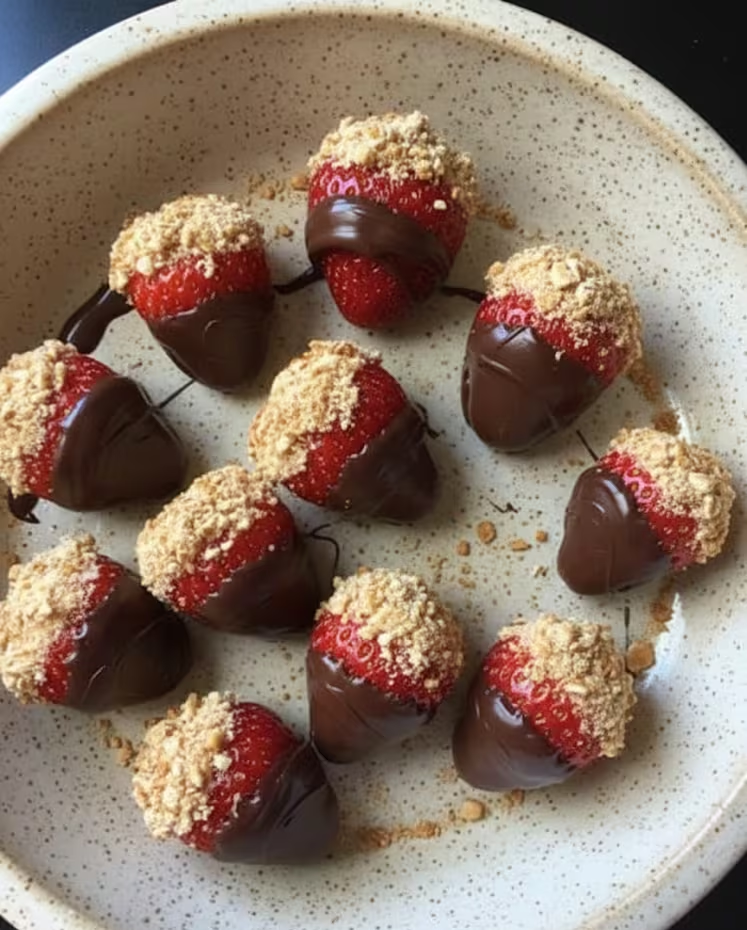
Cheesecake Stuffed Strawberries: The Ultimate No-Bake Elegant Dessert Masterpiece with Pretzel Crunch Excellence
Cheesecake Stuffed Strawberries are one of those recipes I’m genuinely thankful to share—thank you so much for being here.