
Unveiling the Secret: Why You Shouldn’t Boil Mashed Potatoes and the Best Method to Make Them
I’m so happy you’re here—because if you love silky, fluffy, restaurant-quality mashed potatoes, this is the secret you’ve been waiting for.
 By Amanda DavisDEC 12, 20256 MIN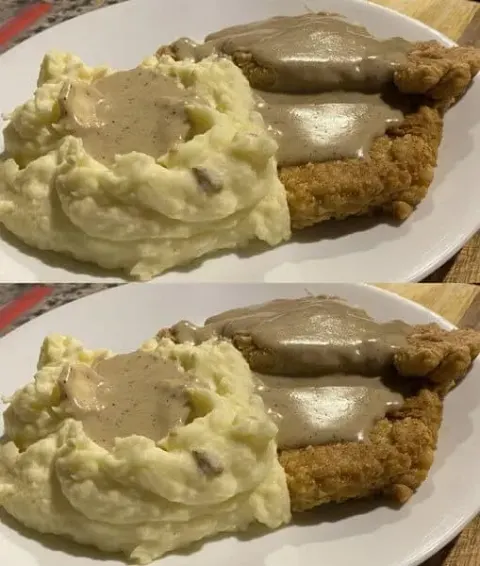
I’m so happy you’re here—because if you love silky, fluffy, restaurant-quality mashed potatoes, this is the secret you’ve been waiting for. Right after the title, here it is—our focus keyword: Unveiling the Secret: Why You Shouldn’t Boil Mashed Potatoes and the Best Method to Make Them.
This simple shift in technique changes everything. No more gluey, watery, flat-tasting potatoes. No more lumps. No more guessing. Once you try this method, you’ll wonder how you ever made mashed potatoes any other way. Anything but boring!!
And if you love kitchen secrets, cooking tips, and foolproof recipes sent straight to your inbox, don’t forget to subscribe.
Overview of Recipe Content
In this guide, we dive into why boiling potatoes is actually one of the least effective ways to get perfect mashed potatoes—and the cooking method that gives you naturally creamy, flavorful results without extra effort. We’ll also cover which potatoes work best, the ideal fats to incorporate, genius add-ins, tools you’ll need, step-by-step instructions, serving suggestions, storage tips, and answers to common mashed potato questions.
Why You’ll Love This Method
- No more watery mashed potatoes
- No risk of overcooking or waterlogging
- Rich, creamy consistency that tastes “buttery” even with less butter
- Full potato flavor that boiling washes away
- Foolproof for holidays and big gatherings
- Perfect for beginners and pros alike
- Leaves room for customization—garlic, herbs, cheese, bacon, anything!
What Do These Mashed Potatoes Taste Like?
They taste like pure potato heaven—deeply savory, buttery, naturally sweet, and unbelievably smooth. Because the potatoes cook in their own starch, the flavor is richer, more intense, and far creamier than traditional boiled potatoes. You get that luxurious, cloud-like texture found in high-end steakhouses, but made right at home with almost no work.
Benefits of Using This Method Instead of Boiling
- Preserves starch so the potatoes mash up fluffy
- Keeps all flavor inside rather than pouring it out into boiling water
- Allows fats to adhere better for a silky finish
- Reduces the chances of gumminess
- Saves time—no waiting for a huge pot of water to boil
- Less cleanup
- Works with any potato variety
Ingredients for the Best Mashed Potatoes
Basic Mashed Potatoes
- 2 lbs Yukon Gold or Russet potatoes
- ½–¾ cup warm milk or cream
- 4–8 tablespoons butter
- 1 teaspoon salt (plus more to taste)
- ½ teaspoon black pepper
Optional Flavor Boosters
- Roast garlic cloves
- Sour cream
- Cream cheese
- Crème fraîche
- Chives
- Parmesan cheese
- Chicken or vegetable broth (for lighter mashed potatoes)
Tools You’ll Need
- Large skillet with lid OR Dutch oven
- Potato masher, ricer, or food mill
- Wooden spoon or silicone spatula
- Measuring cups
- Small saucepan for warming dairy
Ingredient Additions & Substitutions
Additions
- Brown butter for nutty flavor
- Fresh herbs like thyme or rosemary
- Sharp cheddar or gruyere for ultra-rich potatoes
- Bacon bits for smoky, salty pops of flavor
- Cream cheese for extra tang and creaminess
- Roasted garlic for aromatic depth
Substitutions
- Replace cream with evaporated milk for extra richness
- Substitute butter with olive oil for dairy-free mashed potatoes
- Use chicken broth instead of milk for lighter mashed potatoes
- Use red potatoes if you love skins-on rustic mash
Why You Shouldn’t Boil Potatoes for Mashed Potatoes
1. Boiling Makes Them Waterlogged
Potatoes absorb water as they boil, especially if they’re peeled first. More water = less flavor + looser, sometimes gluey mash.
2. Nutrients & Flavor Get Lost in the Water
All the potato goodness—flavor, minerals, natural sweetness—ends up poured down the drain.
3. Boiling Causes Uneven Cooking
Some pieces get mushy while others are firm, making smooth mashing harder.
4. Overboiling Breaks Down the Starch
And broken starch = gummy, sticky mashed potatoes (the biggest mashed potato tragedy).
The Best Method: Steam-Simmering in a Covered Skillet
This is the game changer. Instead of boiling, you cook potatoes with just a little water, allowing them to steam in their own heat and retain maximum flavor.
Why Steaming Instead of Boiling Works
- The potatoes stay concentrated
- The texture stays fluffy
- The starch stays intact
- The flavor isn’t diluted
- The potatoes cook evenly
How to Make Mashed Potatoes Using the Best Method
Step 1: Prep the Potatoes
Peel (optional) and cut into evenly sized 1-inch cubes. Place them into a large skillet or Dutch oven.
Step 2: Add Minimal Water
Add ½–1 inch of water—just enough to cover the bottom of the pot, not the potatoes.
Step 3: Season
Sprinkle with a pinch of salt.
Step 4: Cover and Cook
Cover with a tight lid and bring to a simmer. Steam-cook for 15–18 minutes, until fork tender.
Step 5: Drain Off Any Remaining Water
There shouldn’t be much. Let potatoes rest uncovered for 1 minute to evaporate excess moisture.
Step 6: Warm Your Cream or Milk
Warm dairy melds better with potatoes, keeping the mash silky.
Step 7: Mash
Use a potato masher, ricer, or food mill. Add butter first so it melts into the potato starch.
Step 8: Add Warm Milk or Cream
Add slowly until fluffy, creamy perfection is reached.
Step 9: Season & Serve
Taste, adjust salt and pepper, and serve warm.
What to Serve Mashed Potatoes With
- Roast chicken
- Holiday turkey
- Meatloaf
- Gravy of any kind
- BBQ ribs
- Beef stew
- Pork chops
- Vegetable medleys
- Salmon
- Anything saucy
Mashed potatoes make everything better.
Storage Instructions
- Refrigerator: Up to 4 days
- Freezer: Up to 2 months
- Reheat: Warm gently with a splash of milk or cream
General Information
- Prep Time: 10 minutes
- Cook Time: 18 minutes
- Total Time: 30 minutes
- Servings: 6
- Difficulty: Easy
Conclusion
These mashed potatoes are silky, fluffy, rich, and deeply flavorful—the kind that make guests close their eyes after the first bite. Unveiling the Secret: Why You Shouldn’t Boil Mashed Potatoes and the Best Method to Make Them unlocks the key to perfect mashed potatoes every single time. Whether it’s Thanksgiving, Sunday dinner, or a cozy weeknight meal, this method simply can’t be beat.
If you loved this guide, you’ll also enjoy my Creamy Sausage Pasta Soup, Mini Meatloaf Muffins, and Garbage Bread recipes!
Share Your Creations!
Tried this game-changing mashed potato method? I’d love to see it! Share your photos on Pinterest and leave a review—your creativity always inspires me.
Nutritional Information (per serving, approx.)
- Calories: 210
- Fat: 9g
- Carbs: 29g
- Protein: 3g
Tips for Success
- Add butter before milk—butter binds to starch best
- Warm your dairy
- Don’t overwork the potatoes (avoid gluey texture)
- Use Yukon Golds for the creamiest mash
- Add garlic cloves to the pot for infused flavor
- Steam, don’t boil—always!
Frequently Asked Questions
Do I have to peel the potatoes?
No, leave skins on for rustic-style mashed potatoes.
Which potatoes are best?
Yukon Golds are rich and creamy; Russets are fluffy and light.
Can I add garlic?
Absolutely—add whole cloves to the pot and mash them in.
Can I use a mixer?
Only on low speed. Overmixing leads to gluey potatoes.
How do I fix runny mashed potatoes?
Heat gently in a pot—excess moisture will evaporate.
More Recipes You'll Love
All Dinner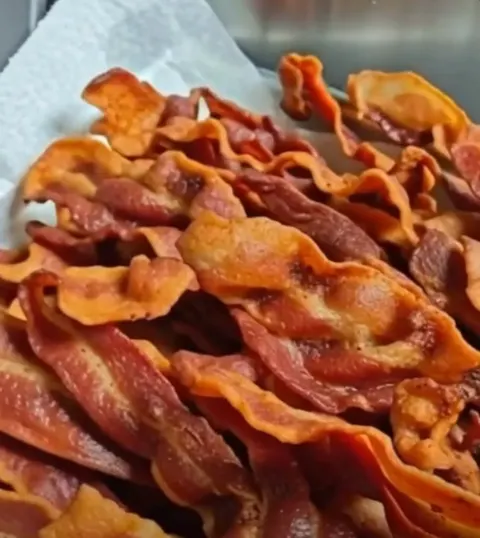 Dinner
Secret Ingredient for the Crispiest Bacon!!!
I’m so happy you’re here—because this is one of those game-changing kitchen secrets that once you try it, you’ll never make bacon the same way again.
 Dinner
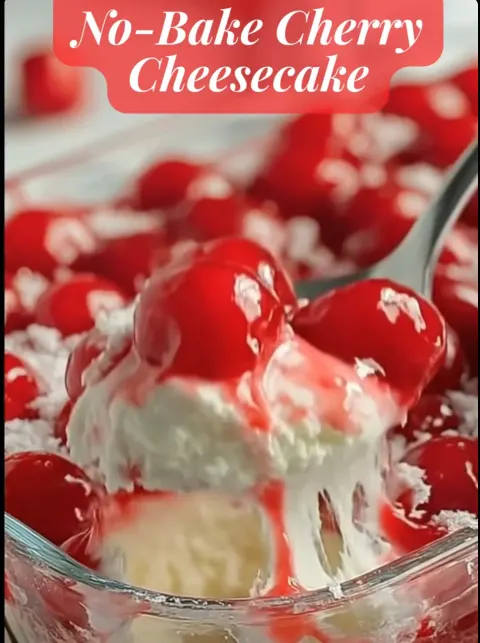
No-Bake Cherry Cheesecake
I’m so happy you’re here—because this No-Bake Cherry Cheesecake is one of those wonderfully nostalgic, creamy…
 Dinner
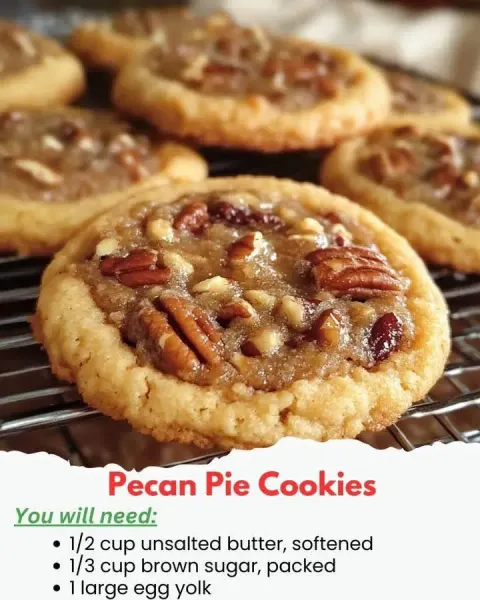
Pecan Pie Cookies 🍪🌰
I’m so happy you’re here—because these Pecan Pie Cookies are the cozy, caramel-nut dream I’ve been dying to share with you.
 Dinner
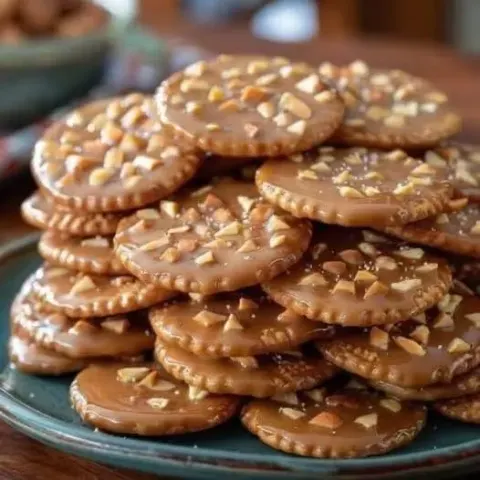
Salted Caramel Peanut Ritz Crackers
I’m so happy you’re here—because these Salted Caramel Peanut Ritz Crackers are one of those unbelievably easy, sweet-salty…
 Dinner
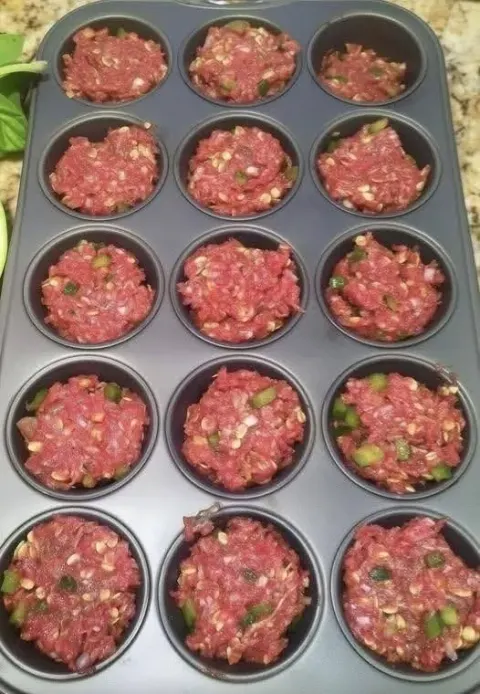
Mini Meatloaf Muffins: The Adorable, Flavor-Packed Weeknight Dinner That Cooks in 20 Minutes!
I’m so happy you’re here—because these Mini Meatloaf Muffins are the weeknight dinner lifesaver I’ve been dying to share with you.
 Dinner
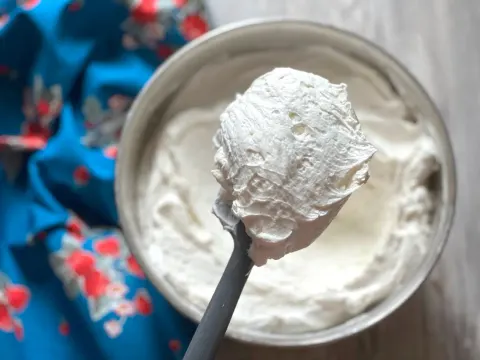
Miracle Frosting
I’m so happy you’re here—because this Miracle Frosting is truly one of those “how is this even possible?!” recipes that delivers silky-smooth, fluffy…
 Dinner
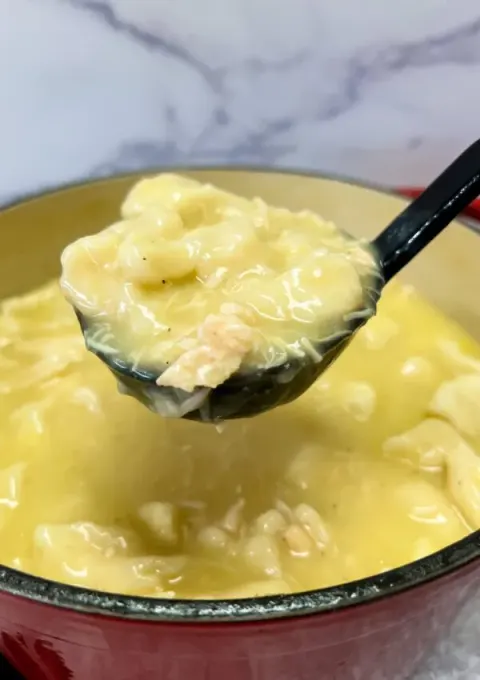
4 Ingredient Crockpot Chicken & Dumplings
I’m so happy you’re here—because this 4 Ingredient Crockpot Chicken & Dumplings recipe is one of those magical, cozy…
 Dinner
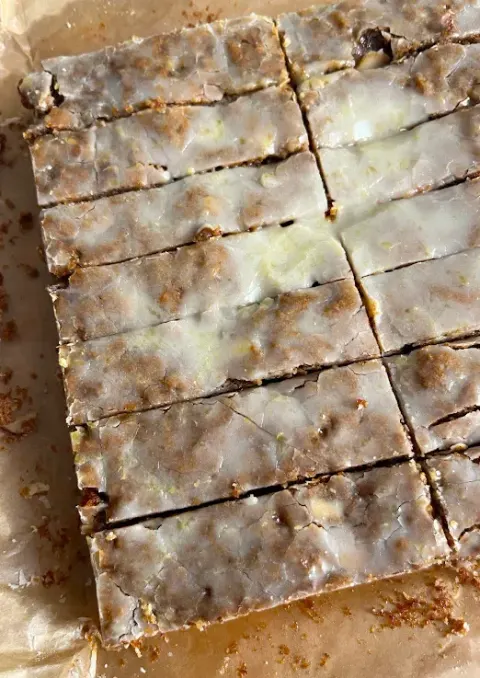
Old-World Flavor in Every Bite: How to Make Soft and Chewy Lebkuchen Bars
I’m so happy you’re here—because these Soft and Chewy Lebkuchen Bars are one of those magical, old-world holiday treats that fill your kitchen with warmth…