
A Scientific Look at Oregano’s Role in Supporting Wellness
I’m always grateful for the everyday ingredients in our kitchens that quietly carry powerful health benefits.
 By Amanda DavisMAR 15, 20265 MIN
I’m always grateful for the everyday ingredients in our kitchens that quietly carry powerful health benefits. Oregano is one of those humble herbs that has been used for centuries not only to flavor food but also to support overall wellness. While many people know oregano as a staple in Mediterranean cooking, science has increasingly explored its potential health-supporting properties. Honestly, it’s amazing how such a small herb can hold such impressive nutritional and biological activity.
If you enjoy learning about the science behind everyday foods and natural wellness ingredients, consider subscribing to receive more articles like this straight to your inbox.
Oregano’s Role in Supporting Wellness
Overview
Oregano (Origanum vulgare) is a fragrant herb widely used in Mediterranean, Middle Eastern, and Latin cuisines. Beyond its culinary appeal, oregano contains a variety of bioactive compounds that researchers have studied for their potential health-supporting effects.
These compounds contribute to oregano’s antioxidant, antimicrobial, and anti-inflammatory properties, which may help support overall health when included as part of a balanced diet.
Why Oregano Has Attracted Scientific Interest
Researchers are particularly interested in oregano because it contains several powerful plant compounds:
- 🌿 Carvacrol
- 🌿 Thymol
- 🌿 Rosmarinic acid
- 🌿 Flavonoids
These natural substances contribute to oregano’s potential health benefits and have been studied in laboratory and clinical settings.
Nutritional Profile of Oregano
Although used in small amounts, oregano provides several beneficial nutrients.
Key nutrients include:
- Vitamin K
- Iron
- Manganese
- Fiber
- Calcium
- Antioxidants
Because it is rich in antioxidants, oregano helps combat oxidative stress in the body.
Potential Wellness Benefits of Oregano
Antioxidant Support
Oregano is particularly high in antioxidants, compounds that help neutralize harmful free radicals in the body.
Oxidative stress has been linked to many chronic conditions, including:
- Cardiovascular disease
- Aging-related conditions
- Inflammatory disorders
Compounds like rosmarinic acid and thymol are believed to contribute to oregano’s antioxidant activity.
Antimicrobial Properties
One of the most studied aspects of oregano is its potential antimicrobial activity.
Laboratory studies suggest oregano oil may help inhibit certain bacteria and fungi due to compounds such as:
- Carvacrol
- Thymol
These compounds may disrupt microbial cell membranes, making it harder for harmful organisms to survive.
Anti-Inflammatory Effects
Chronic inflammation plays a role in many health conditions. Some research suggests oregano’s plant compounds may help reduce inflammatory markers.
Studies indicate that compounds in oregano may influence inflammatory pathways in the body, potentially supporting a balanced immune response.
Digestive Support
Traditionally, oregano has been used to support digestion.
Possible benefits include:
- Supporting healthy gut bacteria
- Stimulating digestive enzymes
- Reducing occasional bloating
While traditional use is well documented, more human clinical research is still ongoing.
Immune System Support
Because oregano contains antioxidants and antimicrobial compounds, it may contribute to overall immune system health.
Some researchers believe oregano extracts may help the body defend against environmental stressors.
Oregano Oil vs. Fresh Oregano
Both fresh oregano and oregano oil are commonly used, but they differ in concentration.
Fresh or Dried Oregano
- Used primarily in cooking
- Provides mild health-supporting compounds
- Safe for regular dietary consumption
Oregano Essential Oil
- Highly concentrated
- Often used in supplements or diluted topical products
- Should be used cautiously and according to professional guidance
Essential oils are far stronger than the culinary herb.
How to Include Oregano in Your Diet
Adding oregano to meals is one of the easiest ways to enjoy its benefits.
Popular uses include:
- Sprinkling over roasted vegetables
- Adding to pasta sauces
- Mixing into salad dressings
- Seasoning grilled meats
- Flavoring soups and stews
Fresh oregano can also be added to Mediterranean dishes such as salads, hummus, and marinades.
Safety Considerations
Oregano is generally considered safe when used in normal culinary amounts.
However, a few considerations include:
- Large amounts of oregano oil may cause digestive upset.
- Essential oils should not be consumed without proper dilution and professional guidance.
- People with certain allergies or medical conditions should consult a healthcare provider before using concentrated herbal supplements.
Moderation is key when using herbs for wellness.
Conclusion
Oregano is much more than a flavorful kitchen herb. Scientific research continues to explore its rich concentration of antioxidants and plant compounds that may support wellness in several ways. From potential antimicrobial activity to anti-inflammatory properties, this humble herb has earned significant attention in the world of nutrition science.
Incorporating oregano into your daily cooking is a simple and delicious way to add both flavor and potential health-supporting benefits to your meals.
If you enjoy learning about the science behind everyday foods, consider exploring other articles about nutrient-rich herbs, spices, and natural ingredients that bring both flavor and wellness to the table. 🌿✨
Frequently Asked Questions
Is oregano good for immunity?
Oregano contains antioxidants and plant compounds that may support immune function as part of a balanced diet.
Can oregano help fight bacteria?
Laboratory studies suggest oregano oil has antimicrobial properties, although more human research is needed.
Is oregano oil the same as dried oregano?
No. Oregano oil is highly concentrated and significantly stronger than the dried culinary herb.
How much oregano should you consume?
Culinary amounts used in cooking are generally safe and beneficial.
Can oregano replace medical treatment?
No. Oregano should be viewed as a supportive dietary herb rather than a medical treatment.
More Recipes You'll Love
All Health Health
How to Make Aloe Vera Oil for Faster Hair Growth & Stop Hair Loss
If you’ve been searching for a natural remedy to boost hair growth and reduce hair fall, aloe vera oil for faster hair growth & stop hair loss might be…
 Health
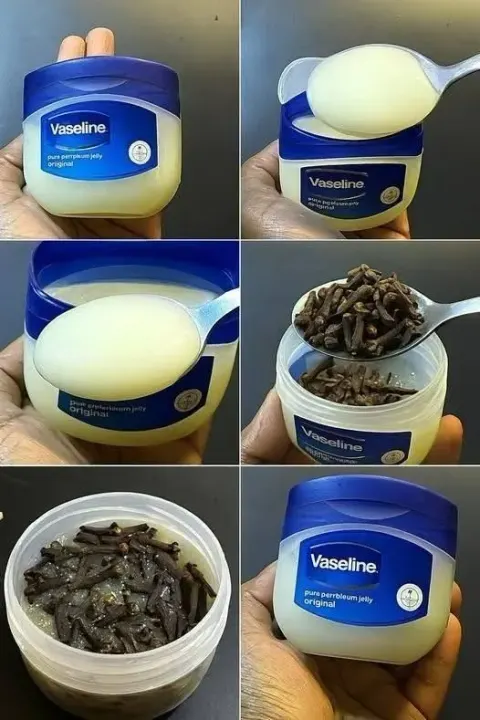
The Clove & Petroleum Jelly Salve: Nature’s Simple, Potent Secret
There’s something truly special about rediscovering simple remedies that have quietly existed for generations.
 Health
Benefits of Drinking Water on an Empty Stomach: What Science Really Says
Benefits of drinking water on an empty stomach have been discussed for years in wellness circles, social media posts, and traditional health practices.
 Health
Baking Soda on Your Face: Benefits, Risks, and How to Use It Safely
Baking Soda on Your Face is one of those beauty trends that keeps popping up — simple, affordable, and already sitting in your kitchen cabinet.
 Health
Ginger Water: The Healthiest Drink You Can Start Your Day With
I’m so glad you’re here today — truly! Thank you for stopping by and choosing to spend a moment in my cozy kitchen corner.
 Health
Creamy Spinach Dip
Creamy Spinach Dip – The Perfect Party Starter! 🌿🧄 There’s something timeless about a Creamy Spinach Dip — that irresistible mix of creamy…
 Health
Garlic Parmesan Roasted Shrimp Recipe: A Savory Seafood Delight
If you’re craving a dish that’s quick, elegant, and bursting with flavor, this Garlic Parmesan Roasted Shrimp Recipe is the answer.
 Health
Stay Fresh, Stay Light: Cucumber-Ginger Infused Water
First of all, thank you for stopping by here—you’re clearly someone who values both flavor and wellness in everyday life.