
Chicken Casserole Recipes
Chicken casseroles all follow the same simple formula. Here's how to pick the right base, get the texture right, and find the version that fits your weeknight.
 By Amanda DavisOCT 7, 20268 MIN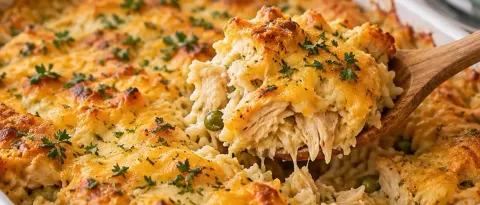
A chicken casserole is the most forgiving dinner in the American repertoire. One dish, one oven, no technique to speak of — and it reliably feeds a family on a weeknight when nobody has the energy for anything better.
The trouble is that "chicken casserole" covers dozens of genuinely different dinners. A tater tot casserole and a chicken tetrazzini have almost nothing in common except the chicken. So rather than list recipes at random, this page is organized the way you actually decide: by what's going in the dish alongside the chicken.
What Makes a Chicken Casserole Work
Nearly every chicken casserole is the same four things:
- Chicken — raw and diced, or cooked and shredded
- A starch — rice, pasta, potatoes, stuffing, or nothing at all
- A creamy binder — condensed soup, a white sauce, sour cream, cream cheese
- A topping — shredded cheese, crushed crackers, tater tots, breadcrumbs
Change the starch and you change the dinner. Everything else is seasoning.
Knowing this is genuinely useful, because it means most of these recipes are interchangeable in parts. If a casserole you like uses rice and you'd rather have potatoes, that substitution usually works — the binder and the bake time are doing the same job either way.
Choosing Your Base
This is the decision that determines everything else, so it's worth two minutes.
Rice
The most classic choice, and the one with the biggest trap. Rice can go in uncooked and absorb the liquid as it bakes, or pre-cooked and simply warm through. These are not interchangeable. An uncooked-rice recipe needs roughly three parts liquid to one part rice and a tightly covered bake; a cooked-rice recipe needs far less liquid and much less time. Using the wrong one is the single most common reason a chicken casserole fails.
Pasta
Pasta goes in pre-cooked, and slightly under-cooked — it keeps softening in the oven. Pasta casseroles bake fastest, usually 20–30 minutes, because nothing in the dish is raw except possibly the chicken.
Potatoes
Diced potatoes need a head start — par-cook them, or they'll still be firm when everything else is done. Frozen hashbrowns and tater tots skip that problem entirely, which is why they show up in so many casseroles.
No starch at all
Leave the starch out and you get a lower-carb bake that cooks in half the time. You'll want something alongside it, but the casserole itself gets much simpler.
Chicken and Rice Casseroles
The default. Chicken, rice, a creamy binder, cheese on top.
The classic chicken and rice casserole bakes the rice from raw in the dish, which means the liquid ratio matters and the foil has to stay sealed for the first stretch. It's the version to make when you want dinner to be genuinely one-dish.
Add a vegetable and it becomes the most-cooked casserole in America: broccoli, chicken and rice baked under cheddar uses already-cooked rice, so it comes together faster and is harder to get wrong.
Chicken Pasta Casseroles
Pasta casseroles are richer and quicker, and they reheat better than rice does.
Chicken tetrazzini is the shortest route — spaghetti, cooked chicken, soup and cheese, and very little else. For a Southern take on the same idea with a tangier sauce, there's chicken spaghetti baked with two cream soups and sour cream.
If you want something closer to a restaurant pasta, the cheesy chicken Alfredo bake swaps condensed soup for an Alfredo sauce base, which gives a smoother, less savory result.
Potato and Tater Tot Chicken Casseroles
Frozen potatoes are the shortcut that makes these work on a weeknight.
Chicken bacon ranch under a tater tot crust is the crowd-pleaser — the tots stay crisp on top while everything underneath goes creamy. For a softer, more spoonable version of the same idea, shredded hashbrowns replace the tots and the texture becomes uniform rather than layered.
If you'd rather use real potatoes, diced potatoes baked with chicken in a garlic cream sauce gets you there, with one extra step to par-cook them first.
Creamy and Cheesy Chicken Casseroles
These skip the starch entirely and lean on dairy.
Million dollar chicken casserole is the richest thing in this collection — cream cheese, cottage cheese and sour cream under a buttery cracker topping. It's a side-dish-and-a-main in one, and it wants something plain next to it.
Chicken and Vegetable Casseroles
Lighter, faster, and a reasonable answer when you want the format without the heaviness.
Chicken and asparagus in a Dijon cream sauce is the best of these — the mustard cuts the cream, and the asparagus stays bright rather than collapsing. Asparagus is seasonal and pricey, though, so the broccoli-and-rice version above is the year-round substitute.
Tex-Mex Chicken Casseroles
Same structure, different seasoning — and they both reheat extremely well.
Fajita chicken casserole builds on peppers, onions and rice with a mild chili heat. Street corn chicken casserole goes a different direction entirely — charred corn, cotija and lime, closer to elote than to a burrito.
Casseroles Built on Cooked or Rotisserie Chicken
If there's a rotisserie chicken in the fridge, these are the fastest options here. None of them involve cooking raw chicken, so the bake time is only about heating through and browning the top.
Rotisserie chicken and stuffing is dinner in about 35 minutes and tastes like Thanksgiving leftovers in the best way. The five-ingredient chicken noodle bake is even shorter — egg noodles, cooked chicken, soup, milk, peas.
For the same shortcut with vegetables and gravy instead, chicken pot pie casserole gives you pot pie flavor without making a crust.
Getting the Texture Right
Three things go wrong with chicken casseroles, and all three are avoidable.
Dry chicken
Chicken breast is lean and overcooks quickly. The fix is less about time than about size: cut raw chicken into uniform 1-inch pieces so it all finishes together, and check with a thermometer rather than guessing — 165°F (74°C) is done, and anything beyond it is drying out. If you're using already-cooked or rotisserie chicken, it only needs to heat through, so add it later rather than baking it for the full time.
A watery casserole
Usually one of two causes. Either a vegetable released water — zucchini, fresh mushrooms and frozen spinach are the usual offenders, and salting or draining them first solves it — or the dish simply needs to rest. Casseroles keep absorbing liquid for five to ten minutes out of the oven. Serving immediately is the most common reason a dish seems soupier than the photo.
Crunchy rice
Almost always escaping steam. A foil seal that isn't tight, or a dish wider than the recipe assumed, lets liquid evaporate before the rice can absorb it. Add a splash of broth, re-cover tightly, and give it another ten minutes.
Make Ahead, Freezing and Reheating
Most of these can be assembled a few hours ahead and refrigerated before baking — add about 10 minutes to the bake time if the dish goes in cold. The exception is anything with uncooked rice, which starts absorbing liquid the moment it's mixed in; those are better assembled just before baking.
For freezing, slightly undercook the starch, since it softens again on reheating. Freeze in portions rather than as one block — it thaws faster and you can take out only what you need.
Reheat covered, and reheat leftovers until the center reaches 165°F (74°C). Refrigerate within two hours of baking rather than letting the dish cool on the counter.
Where to Start
If you've never made one, start with a rice casserole using cooked rice — it's the most forgiving version and it's hard to get wrong. If you want genuine one-dish simplicity, the uncooked-rice version is worth the attention it asks for. And if there's a rotisserie chicken in the fridge tonight, skip to the stuffing or noodle bakes, which are both on the table in about half an hour.
Frequently Asked Questions
Can I use raw chicken instead of cooked?
Often, but not always. Recipes written for raw chicken build in enough time and liquid to cook it through; recipes written for cooked chicken don't. Swapping raw into a short bake is how chicken ends up underdone, so follow whichever the recipe assumes.
Can I make a chicken casserole without condensed soup?
Yes. A simple white sauce — butter, flour, milk and broth — replaces a can roughly cup for cup. The flavor is cleaner and less salty, and you control the sodium.
Why is my rice still hard when the chicken is done?
The foil wasn't sealed tightly, or the dish was wider than the recipe expected so liquid evaporated too fast. Both are fixed the same way: more liquid, tighter seal, more covered time.
How far ahead can I assemble one?
A few hours for most. Avoid assembling anything with uncooked rice more than an hour or two ahead, since the grains start absorbing the liquid immediately and the texture suffers.
What should I serve alongside?
Something plain and sharp. These dishes are rich and soft, so a green salad with vinaigrette, steamed green beans, or crusty bread all work better than another creamy side.
More Recipes You'll Love
All Dinner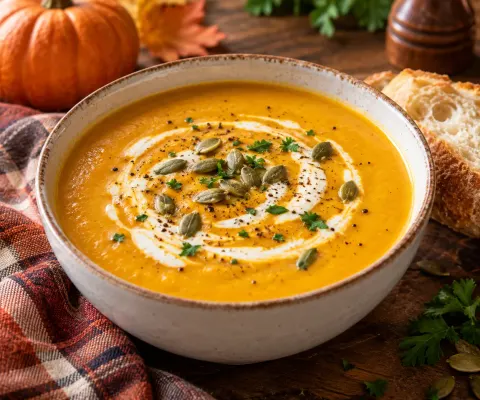 Dinner
3-Ingredient Creamy Pumpkin Soup (Easy 15-Minute Fall Recipe)
A quick, cozy pumpkin soup made from just three ingredients and one pot — ready in about 15 minutes, no chopping or roasting required.
DinnerEasy Chicken and Rice Casserole – A Cozy Weeknight Dinner
Diced chicken, rice, and a creamy blend of pantry staples bake together in one dish for a hands-off weeknight dinner that comes out tender, cheesy…
 Dinner
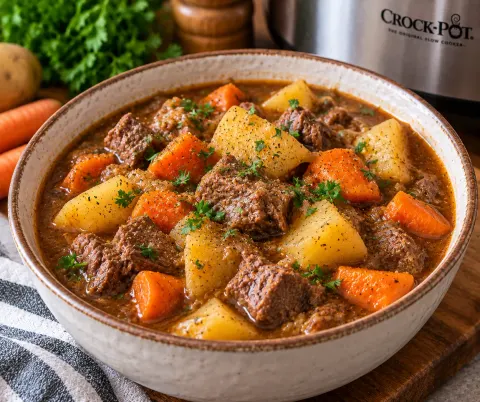
Slow Cooker 4-Ingredient Mulligan Stew
Tender beef, potatoes, and carrots simmer together with a can of cream of mushroom soup for a hearty…
 Dinner
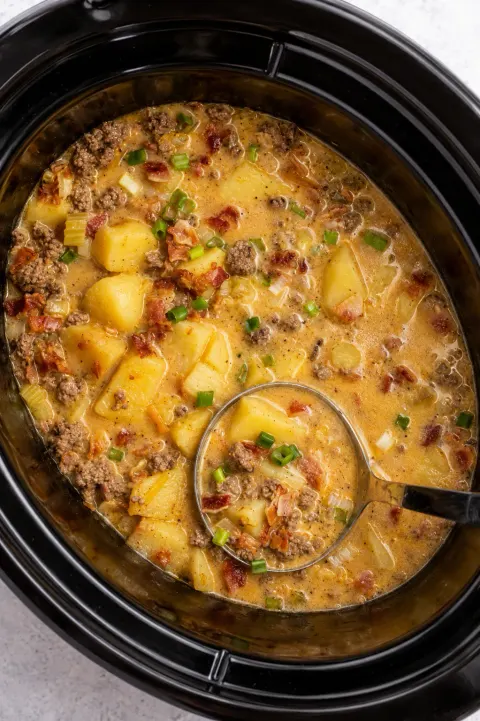
Creamy Potato Bacon Soup
There’s nothing quite like a warm bowl of homemade soup on a chilly day, and this Creamy Potato Bacon Soup is pure comfort in a bowl!
 Dinner
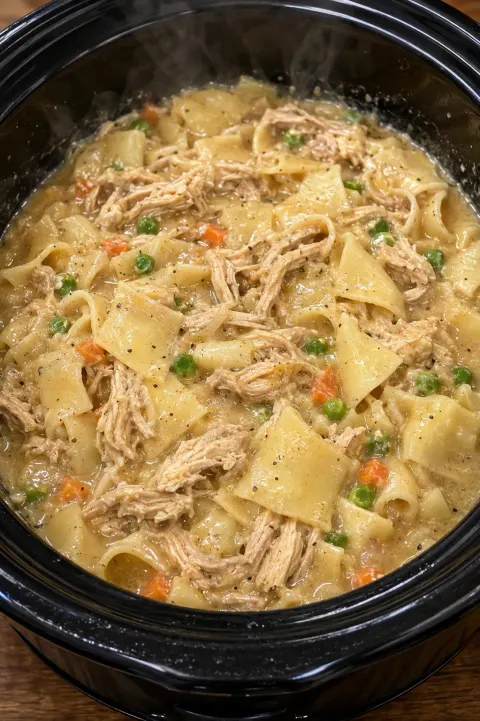
Slow Cooker 4-Ingredient Amish Chicken Pot Pie
When you need a warm, comforting dinner without spending hours in the kitchen, this Slow Cooker 4-Ingredient Amish Chicken Pot Pie is such a wonderful recipe…
 Dinner
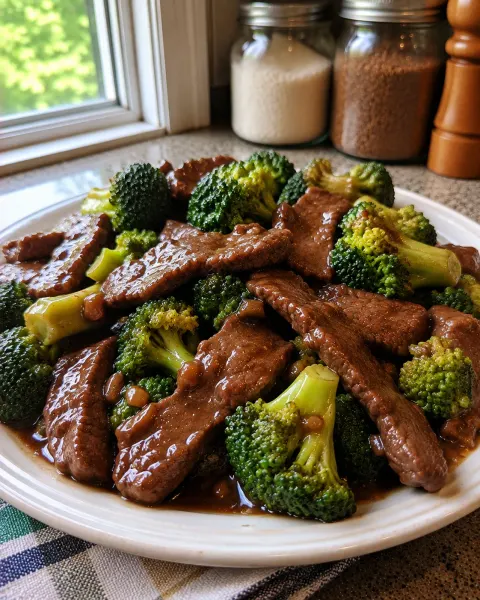
Beef and Broccoli
If you’re craving a delicious takeout-style dinner without picking up the phone, this Beef and Broccoli recipe is exactly what you need!
 Dinner
Southern 3-Ingredient Cheesy Sausage Squares
Sausage, cheddar, and baking mix bake into golden, tender squares — proof that a three-ingredient recipe can still taste like a real Southern favorite.
 Dinner
Cheese Stick Bacon Cheeseburgers
Ground beef gets rolled around melty cheddar, crispy bacon, and a whole cheese stick, then wrapped in more bacon and baked into a sliceable…