
Classic Cinnamon French Toast
Thick slices of bread soak in a cinnamon-vanilla custard, then cook on a griddle until golden outside and custardy in the middle.
 By Amanda DavisSEP 9, 20265 MIN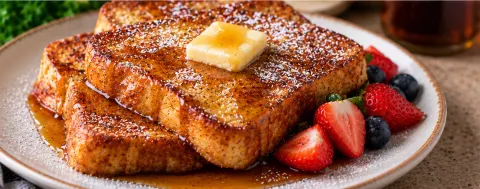
This post may contain affiliate links. If you buy something through one of them, we may earn a small commission at no extra cost to you. Learn more.
Ingredients
Instructions
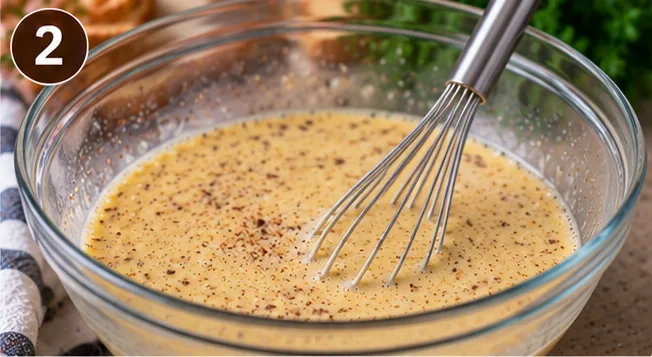
- In a wide, shallow dish, whisk together the eggs, milk, sugar, cinnamon, vanilla extract, and salt until fully combined.
- Heat a griddle or large skillet over medium heat and melt about a tablespoon of butter.
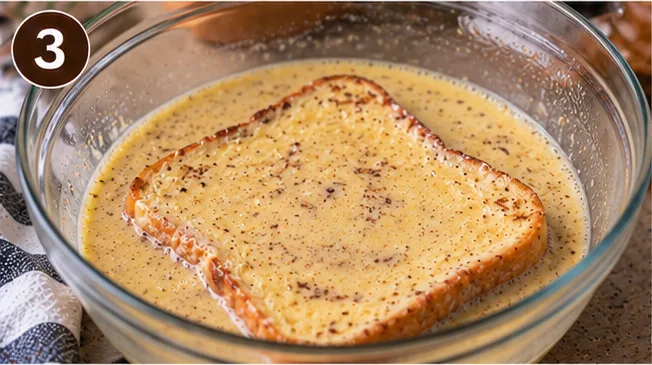
- Dip a slice of bread into the custard, letting it soak for about 15-20 seconds per side, then let the excess drip off before placing it on the griddle.
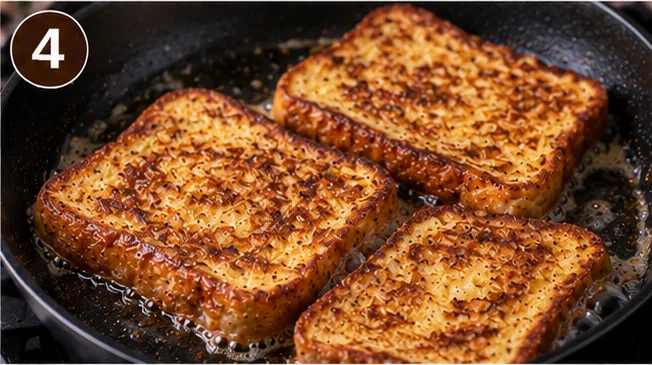
- Cook for 3-4 minutes per side, until deeply golden brown and slightly puffed.
- Repeat with the remaining bread, adding more butter to the griddle as needed.
- Serve warm with maple syrup and a dusting of powdered sugar.
French toast is one of those recipes that looks basic but has a real make-or-break detail: how long the bread soaks. Too short, and you get a dry center under a soggy coating; too long, and the bread falls apart before it hits the pan. Classic Cinnamon French Toast gets it right with a few practical guidelines.
Bread Matters More Than the Custard Does
Soft sandwich bread doesn't hold up well here — it soaks up custard too fast and tends to fall apart. Thick-cut bread that's a little stale (brioche, challah, or Texas toast left out for a day) is what makes good French toast possible: it's sturdy enough to soak without disintegrating, and the slight dryness means it actually absorbs the custard instead of getting soggy on the surface while staying dry inside.
What You'll Need
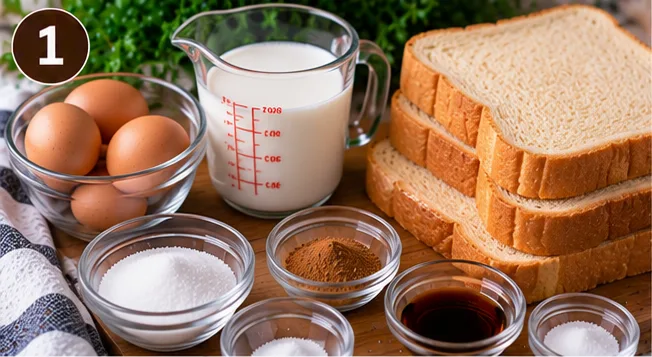
- 4 large eggs
- ¾ cup whole milk
- 2 tablespoons granulated sugar
- 1 teaspoon ground cinnamon
- 1 teaspoon vanilla extract
- Pinch of salt
- 8 slices thick-cut bread (brioche, challah, or Texas toast), slightly stale
- 2 tablespoons butter, for the griddle, plus more as needed
- Maple syrup and powdered sugar, for serving
If your bread is fresh, not stale: lightly toast the slices first, just until dried out but not browned. This mimics what a day of staling does and keeps the bread from getting waterlogged.
Soak Timing
Dip each slice for about 15-20 seconds per side — enough for the custard to soak into the bread, not just coat the surface. Let the excess drip off before it goes on the griddle; too much custard dripping onto a hot pan will smoke and burn instead of cooking cleanly.
Cooking and Doneness Cues
Medium heat is the target — hot enough to brown the outside in a reasonable time, but not so hot that the outside burns before the egg custard inside fully cooks. Each side needs about 3-4 minutes. You'll know it's ready to flip when the edges look set and the underside has turned a deep golden brown; a properly cooked slice will look slightly puffed, not flat and dense.
Troubleshooting
The middle is eggy or wet. Either the heat was too high (browning the outside before the inside finished cooking) or the bread was too fresh and thin to hold enough custard for a proper cook time. Thicker, slightly stale bread and a slightly lower, slower heat both help.
My French toast fell apart while dipping. The bread soaked too long, or it was too soft to begin with. A quick 15-20 second dip per side is usually enough — this isn't bread pudding, where longer soaking is the point.
It's browning too fast. Lower the heat slightly; the sugar in the custard caramelizes quickly and can go from golden to burnt fast on a pan that's too hot.
Substitutions
- Dairy-free: oat milk or almond milk work in place of whole milk, though the custard will be slightly less rich.
- Bread swap: if you don't have brioche or challah on hand, thick-sliced white bread or French bread both work, provided they're a little stale.
- Extra flavor: a pinch of nutmeg alongside the cinnamon adds warmth without changing the recipe otherwise.
Storage, Reheating, and Freezing
- Fridge: store leftover French toast in an airtight container for up to 3 days.
- Reheat: a toaster or a 350°F oven for about 8 minutes brings back a crisp exterior better than a microwave, which tends to leave it soft and slightly damp.
- Freezer: cool completely, then freeze slices in a single layer before transferring to a freezer bag, for up to 2 months. Reheat directly from frozen in the toaster or oven.
Serving Suggestions
Fresh berries, a dusting of powdered sugar, and warm maple syrup are the classic toppings. For a fuller breakfast, pair it with Homemade Breakfast Sausage Patties on the side.
Frequently Asked Questions
Can I make the custard ahead of time?
Yes, the custard mixture itself keeps in the fridge for up to 2 days — just whisk it again before using, since the cinnamon can settle.
Why is restaurant French toast often thicker and richer than mine?
Restaurants typically use very thick-cut brioche or challah, which holds more custard than standard bread. Cutting your own slices thicker (about 1 inch) gets you closer to that result.
Can I bake this instead of using a griddle?
Yes — arrange soaked slices on a greased baking sheet and bake at 425°F (220°C) for about 15 minutes, flipping halfway, though it won't develop quite as much of a pan-seared crust.
More Recipes You'll Love
All Breakfast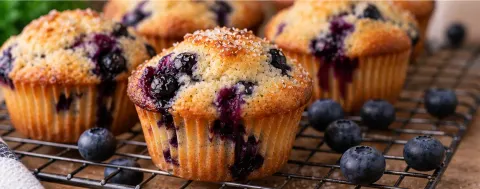 Breakfast
Classic Blueberry Muffins
Tender, bakery-style muffins studded with blueberries — the whole recipe hinges on not overmixing the batter and keeping the berries from sinking.
 Breakfast
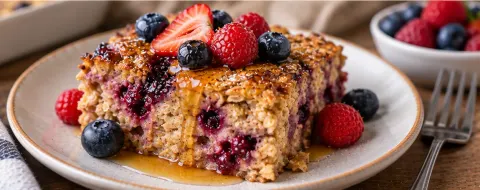
Baked Oatmeal with Berries
Old-fashioned oats bake into a firm, sliceable breakfast studded with berries — mix it the night before or bake it fresh, and it holds up all week.
 Breakfast
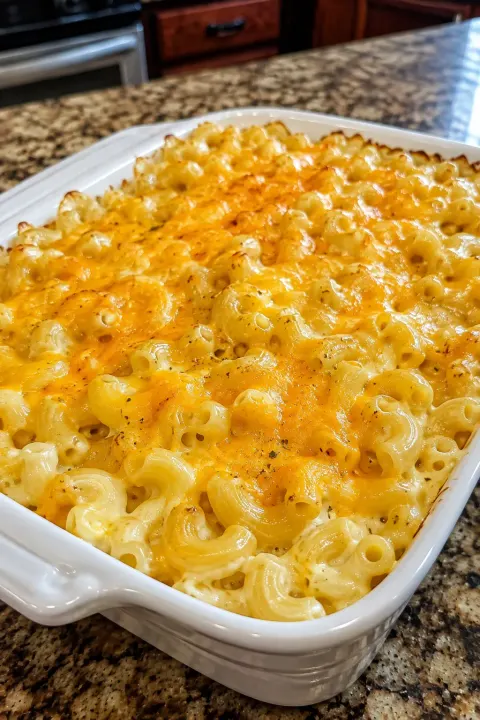
Oven-Baked 4-Ingredient Amish Ranch Macaroni 🧀🥣
If you’re looking for an easy comfort food side dish that the whole family will love, this Oven-Baked 4-Ingredient Amish Ranch Macaroni is the perfect recipe.
 Breakfast
What Happens When You Eat Eggs in the Morning? 8 Surprising Benefits
Eggs are affordable, filling and genuinely nutrient-dense — but what actually changes when you eat them first thing?
 Breakfast
The Ultimate Residue-Free Floor Cleaner Recipe
There’s something incredibly satisfying about sparkling clean floors—especially when they shine without that sticky film or dull haze that many commercial…
 Breakfast
Say Goodbye to Grease: A Simple, Efficient Way to Combat Kitchen Cabinet Buildup
Thank you so much for being here 💛 Truly. If you’ve ever run your hand across your kitchen cabinets and felt that sticky, dusty film staring back at you…
 Breakfast
3-Ingredient Blender Cake – Quick and Fluffy in Just 30 Minutes
3-Ingredient Blender Cake – Quick and Fluffy in Just 30 Minutes is one of those recipes that feels almost too good to be true—and I’m genuinely grateful…
 Breakfast
Grilled Tomahawk Steak
Thank you—honestly, thank you—for being here and trusting me with your kitchen moments. Recipes like this Grilled Tomahawk Steak are the ones I get…