
Creamy Cajun Shrimp and Rice Skillet
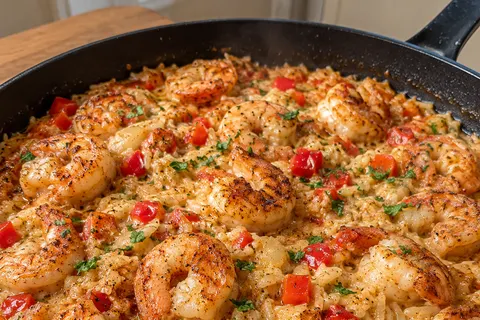
Juicy Cajun-seasoned shrimp folded into tender long-grain rice and a smooth, creamy sauce, all made in one skillet in about an hour.
 By Amanda DavisOCT 26, 202610 MIN
This post may contain affiliate links. If you buy something through one of them, we may earn a small commission at no extra cost to you. Learn more.
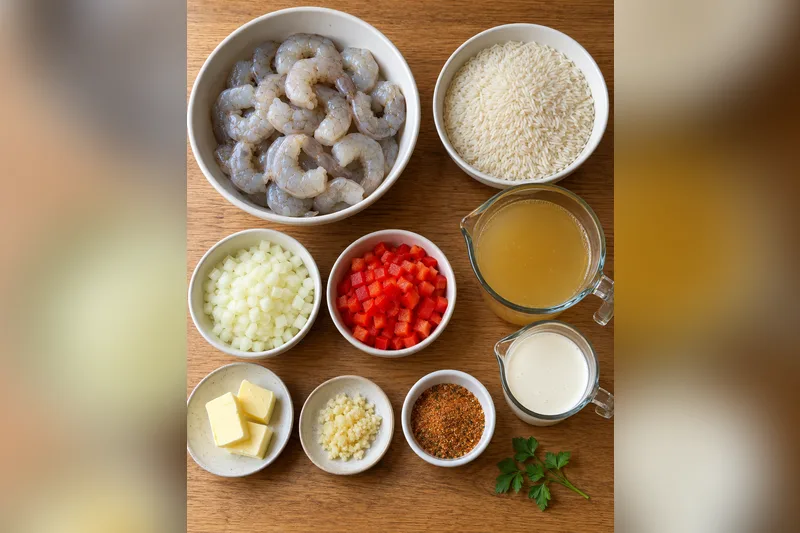
Ingredients
Instructions
- Pat the shrimp dry with paper towels and toss them with 1 teaspoon of the Cajun seasoning. Take the cream out of the refrigerator so it can lose its chill while the rice cooks.
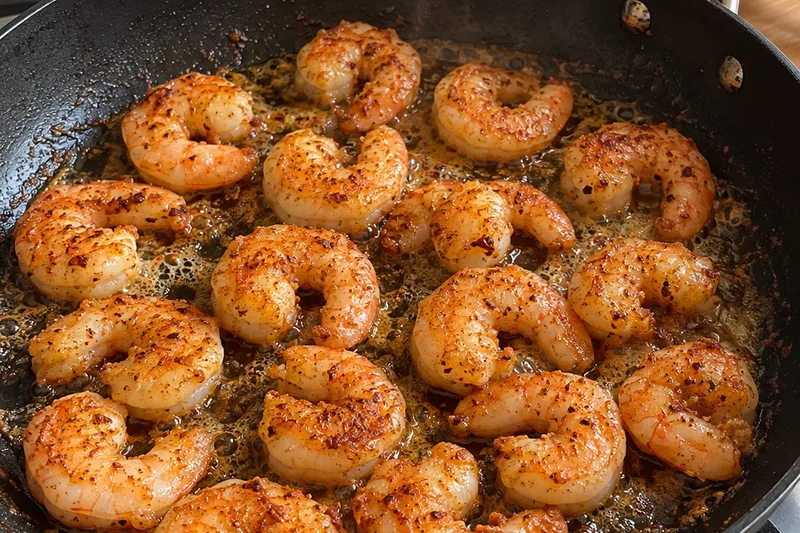
- Melt 1 tablespoon of the butter in a 12-inch deep skillet with a tight-fitting lid over medium heat. When it foams, add the shrimp in a single layer and cook for 1½ to 2 minutes per side, just until pink, firm and opaque. Transfer them to a plate, cover loosely and set aside.
- Melt the remaining 2 tablespoons of butter in the same skillet over medium heat, add the onion and bell pepper, and cook for 4 to 5 minutes, stirring and scraping up the browned bits, until softened.
- Add the garlic, rice and the remaining 2 teaspoons of Cajun seasoning. Cook, stirring, for 1 to 2 minutes, until the garlic is fragrant and the rice is coated.
- Pour in the broth, stir once to make sure no rice is stuck to the bottom, and bring to a boil.
- Cover with the lid, reduce the heat to low and simmer for 18 to 20 minutes without lifting the lid or stirring.
- Check the rice: the liquid should be absorbed and the grains tender. If the rice is still firm, add 2 to 3 tablespoons of hot water or broth, cover and cook on low for 3 to 5 minutes more. Remove the skillet from the heat and let it stand, covered, for 5 minutes.
- Return the skillet to low heat. Gently stir in the cream and cook for 2 to 3 minutes, stirring, until the rice is creamy and heated through. Keep the heat low and do not let it boil.
- Fold in the shrimp and any juices from the plate and cook on low for 1 to 2 minutes, just until the shrimp are hot. Taste, adjust the seasoning if needed and serve right away.
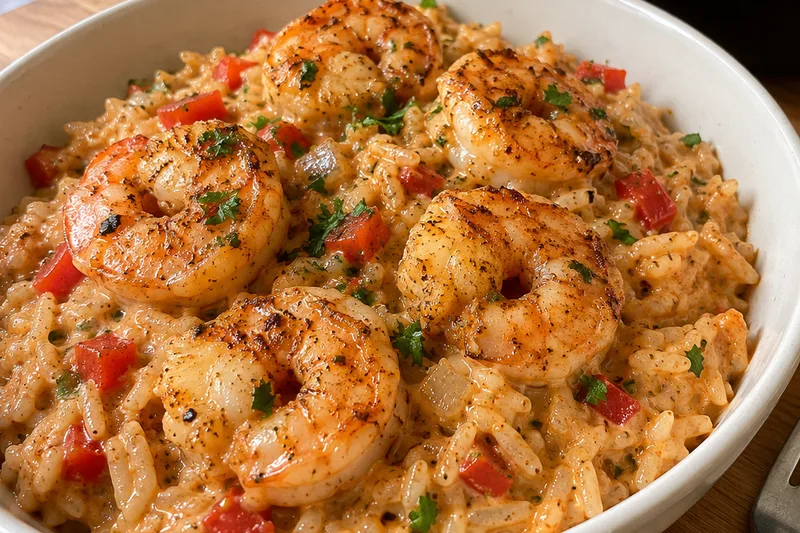
Tender rice, juicy shrimp and a smooth, creamy Cajun-spiced sauce come together in one skillet in this comforting weeknight dinner. The shrimp are seared first for flavor, then set aside while the rice cooks in the same pan, so they stay plump and juicy instead of turning rubbery.
The finished dish is creamy rice with distinct, tender grains coated in sauce, with plenty of shrimp folded through. It's not soupy, and it's not a mushy risotto.
Why You'll Love This Recipe
- One skillet. The shrimp, vegetables, rice and sauce all cook in the same pan.
- Juicy shrimp. They cook for just a couple of minutes, wait on the side and go back in at the end.
- Properly cooked rice. Regular long-grain white rice simmers covered in broth, so the grains cook through evenly.
- Creamy, not heavy. A modest amount of heavy cream turns the rice silky.
- Flavor you can control. Clear guidance on salt and heat, so you can make it mild for kids or spicy for grown-ups.
Ingredients and Notes
Exact amounts are in the ingredient list above. A few notes:
Large shrimp (26/30 count). The count means 26 to 30 shrimp per pound. The 1 pound in this recipe is the weight after peeling. If you buy shell-on shrimp, buy about 1¼ pounds and peel, devein and remove the tails yourself. Raw shrimp only; precooked shrimp toughens when heated again. If your shrimp are frozen, thaw them in the refrigerator overnight, or seal them in a bag and submerge it in cold water.
Cajun seasoning that contains salt. Most standard Cajun seasonings do, and in this recipe the seasoning is the main source of salt. That's why there's no added salt. Blends vary a lot, so check the label:
- If salt is listed first, the blend is saltier. Use 2 teaspoons in total: ½ teaspoon on the shrimp and 1½ teaspoons in the rice.
- If your blend is salt-free, use the full tablespoon and add ½ teaspoon of fine salt with the rice. Taste at the end and add more only if needed.
Unsalted butter. One tablespoon sears the shrimp and the rest softens the vegetables and flavors the rice. Sear over medium heat, not high, so the butter browns lightly instead of burning. Unsalted butter keeps the salt under your control.
Onion, red bell pepper and garlic. Chop the onion and pepper finely, about ¼ inch, so they melt into the rice.
Long-grain white rice. Use regular, uncooked long-grain white rice. Rinse it in a fine-mesh strainer until the water runs mostly clear; this removes surface starch so the grains stay separate. Don't swap in instant, parboiled or brown rice, which each need a different amount of liquid and time (see the FAQ).
Low-sodium chicken broth. It cooks the rice and adds flavor without piling on salt. Regular broth plus a salted Cajun seasoning can make the dish too salty.
Heavy cream. Heavy cream (about 36% fat) is the most stable choice for a smooth sauce. Letting it lose its chill while the rice cooks helps it blend in smoothly.
Optional garnishes (not part of the core recipe): sliced green onions, chopped fresh parsley, lemon wedges and hot sauce.
Equipment
- A 12-inch deep skillet or a 5-quart braiser with a tight-fitting lid. The lid is required: the rice cooks in trapped steam. The pan needs sides at least 2½ inches tall to hold the broth. If your lid is loose, lay a sheet of foil over the pan before covering it.
- A fine-mesh strainer for rinsing the rice.
- A plate for holding the cooked shrimp.
- Measuring cups and spoons. The rice-to-liquid ratio matters, so measure carefully.
Recipe Notes
- Times at a glance: 15 minutes of prep and about 45 minutes of cooking: about 4 minutes to sear the shrimp, about 7 minutes for the vegetables and rice, a few minutes to come to a boil, 18 to 20 minutes covered, 5 minutes standing, then about 5 minutes to add the cream and return the shrimp. Total time is about 1 hour.
- Yield: 4 servings.
- Rice ratio: 1 cup of uncooked long-grain white rice to 2 cups of broth.
- Salt: the Cajun seasoning provides the salt. There's no added salt unless your blend is salt-free.
- One skillet: everything cooks in one pan; the shrimp just wait on a plate.
How to Tell When the Shrimp and Rice Are Done
Shrimp. The FDA says shrimp is done when the flesh is pearly and opaque, and it turns firm as it cooks. Raw shrimp are gray and translucent. Cooked shrimp are pink on the outside and opaque white all the way through; cut the thickest one in half to check. The FDA's general target for seafood is 145°F, which you can check with an instant-read thermometer in the thickest shrimp.
Large shrimp cook in only 3 to 4 minutes in total. Take them out as soon as they're opaque. They go back in at the end only to warm through, so they don't need to cook any longer.
Rice. After 18 to 20 minutes covered, tilt the pan slightly: there should be no liquid pooling at the bottom. Taste a few grains from the center. They should be tender all the way through, with no chalky or hard center. If they aren't, add 2 to 3 tablespoons of hot water or broth, cover and cook on low for 3 to 5 minutes more. Only add the cream once the rice is fully tender, because the rice won't soften further once the sauce goes in.
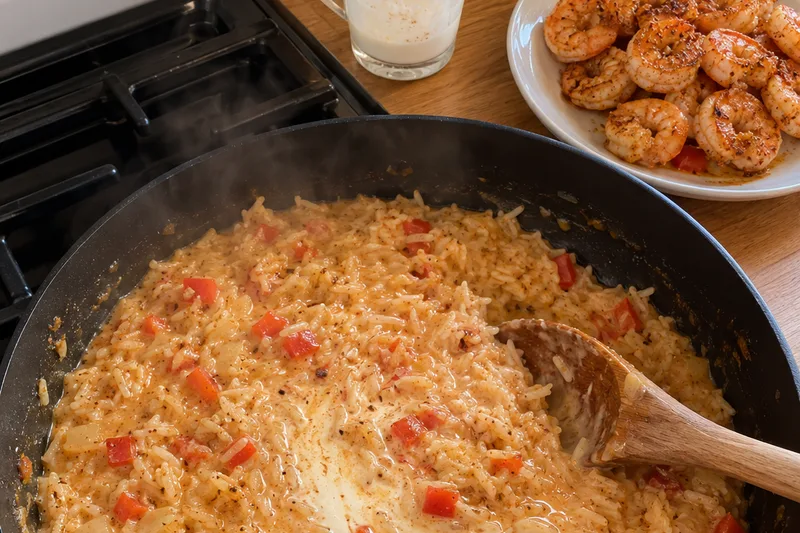
This is what you're looking for before the shrimp go back in: tender, separate grains coated in a smooth, creamy sauce, with the seared shrimp waiting on the side.
Serving Suggestions
These extras are optional and not part of the recipe:
- Garnish with sliced green onions, chopped parsley and lemon wedges.
- Green vegetables: steamed green beans, roasted broccoli or a crisp green salad balance the creamy rice.
- Bread: warm crusty bread or cornbread for the plate.
For more shrimp and seafood dinners, try the Garlic Butter Shrimp Skillet or Seared Scallops with Spicy Cajun Cream Sauce. If you love creamy Cajun flavors, see Cheesy Cajun Alfredo Chicken, Creamy Cajun Sausage Ravioli and Creamy Cajun Chicken Stuffed Shells. For a cozy Cajun-spiced soup, there's Cajun Potato Soup.
Storage and Reheating
Refrigerator. Refrigerate leftovers within 2 hours of cooking (1 hour if the room is above 90°F). Spread them in shallow, airtight containers so they cool quickly, and use within 3 to 4 days.
Reheating and loosening the sauce. The rice keeps absorbing the cream in the refrigerator, so leftovers thicken. For each serving, add 1 to 2 tablespoons of broth, water or milk.
- Stovetop: warm in a covered skillet over low heat, stirring gently, until hot.
- Microwave: cover and heat at medium power, stirring every minute.
Reheat leftovers to 165°F. Gentle heat keeps the shrimp from toughening and the sauce from separating.
Freezing. It's best enjoyed fresh. USDA lists 3 months for frozen fish and shellfish leftovers, but cream sauces can turn grainy and shrimp can turn rubbery after freezing. If you do freeze it, thaw it overnight in the refrigerator and reheat gently with extra liquid.
Tips for Success
- Dry the shrimp well. Wet shrimp steam instead of searing, and the seasoning slides off.
- Don't crowd the pan. Spread the shrimp in a single layer. If they don't fit, sear them in two batches.
- Pull the shrimp early. Remove them as soon as they're opaque; they warm again at the end.
- Rinse the rice. It removes surface starch so the grains stay distinct instead of gummy.
- Keep the lid on. Lifting it lets steam escape, and the rice can end up undercooked.
- Simmer on low. Too much heat scorches the bottom before the rice cooks through. If your burner runs hot, use the smallest one.
- Add cream over low heat. Stir it in gently and don't let it boil. Heavy cream is stable, but hard boiling can still make it separate and look greasy.
- Taste at the very end. Add salt or heat only after the cream is in, since the cream softens both.
Variations
Make it milder
- Use ½ teaspoon of Cajun seasoning on the shrimp and 1½ teaspoons in the rice.
- Serve with lemon wedges; a squeeze of lemon brightens the dish without adding heat.
Make it spicier without making it saltier
More Cajun seasoning adds salt along with heat, so add the heat separately:
- Add ⅛ to ¼ teaspoon of cayenne pepper with the rice.
- Stir ¼ teaspoon of crushed red pepper flakes in with the garlic.
- Pass hot sauce at the table so everyone can choose their own heat.
- A salt-free Cajun blend lets you increase the spice freely. Season with salt separately, as described in the ingredient notes.
Substitutions
- Regular chicken broth: reduce the Cajun seasoning in the rice to 1½ teaspoons, then taste at the end and add more only if needed.
- Seafood or vegetable broth: use the same amount of a low-sodium version.
- Green or yellow bell pepper: green is a little more savory and less sweet; yellow is similar to red.
- Add celery: cook ½ cup of finely chopped celery with the onion and pepper.
- Half-and-half: it works, but it's more likely to curdle than heavy cream. Keep the heat at its lowest and don't let it simmer.
- Andouille sausage: brown 6 ounces of sliced, fully cooked andouille after the shrimp, set it aside with them and return it at the end. Andouille is salty, so cut the Cajun seasoning in the rice to 1 teaspoon.
Frequently Asked Questions
Can I use instant, brown or precooked rice?
Not as a direct swap. Instant rice needs far less liquid and time, and brown rice needs more liquid and about twice the cooking time, so using them in this method gives you mush or crunchy rice. This recipe is written for regular uncooked long-grain white rice.
Can I use frozen shrimp?
Yes. Thaw them in the refrigerator overnight, or seal them in a bag and submerge it in cold water until thawed. Pat them very dry before seasoning.
How do I know the shrimp are cooked?
The FDA says shrimp is done when the flesh is pearly and opaque. Cooked shrimp turn pink on the outside and opaque white inside, and feel firm. The FDA's general target for seafood is 145°F.
Why add the shrimp back at the end?
Large shrimp cook in 3 to 4 minutes. If they simmered with the rice for 20 minutes, they would turn tough and rubbery. Searing them first and returning them at the end keeps them juicy.
Why did my cream sauce separate?
The heat was too high. Add the cream over low heat and don't let it boil. Heavy cream is the most stable choice; half-and-half and milk curdle more easily.
Is it very spicy?
It depends on your Cajun seasoning. With most blends it has a mild-to-moderate warmth. To adjust it, see the spice-level variations above.
Why is my rice still crunchy?
Either the lid wasn't tight, so steam escaped, or the heat was so low that the liquid stopped simmering. Add 2 to 3 tablespoons of hot water or broth, cover tightly and cook on low for 3 to 5 minutes more.
Can I double the recipe?
Only in a larger pan, such as a wide 6- to 7-quart Dutch oven with a lid. Sear the shrimp in batches. Rice cooking times can run longer in a bigger batch, so check for doneness before adding the cream.
More Recipes You'll Love
All Dinner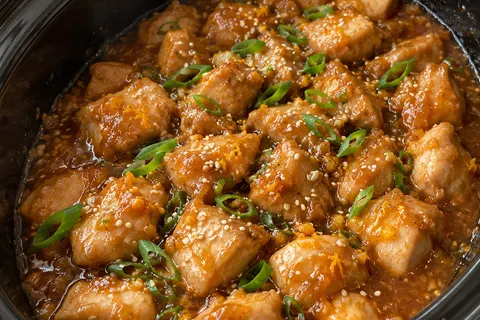 Dinner
Slow Cooker Orange Chicken
Tender bite-sized chicken thighs simmered in a sweet and tangy orange sauce made with fresh juice and zest, then thickened to a glossy finish.
 Dinner
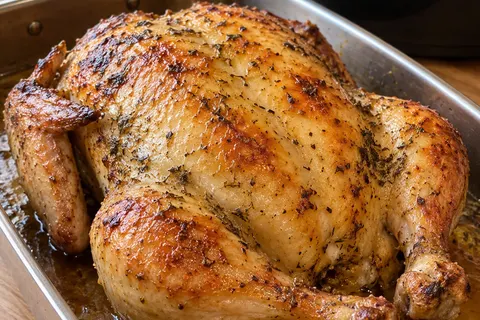
3-Ingredient Slow Cooker Buttery Roast Chicken
A whole chicken rubbed with seasoned butter and slow cooked until tender and juicy, made with just three ingredients and 10 minutes of prep.
 Dinner
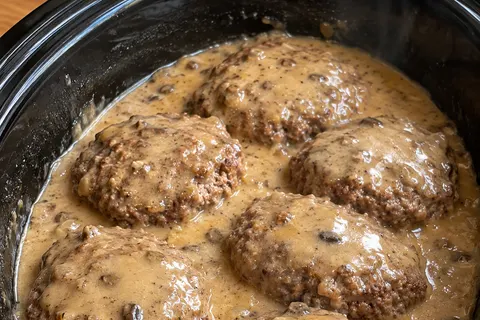
Slow Cooker 4-Ingredient Amish Poor Man's Steak
Tender ground beef patties slow cooked in a creamy mushroom gravy, made with just four ingredients and about 15 minutes of hands-on work.
 Dinner
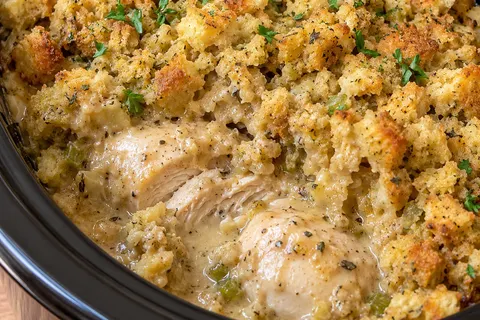
Juicy Crock Pot Chicken and Stuffing
Tender chicken breasts in a creamy, herby sauce under a layer of savory stuffing, made in the slow cooker with about 15 minutes of hands-on prep.
 Dinner
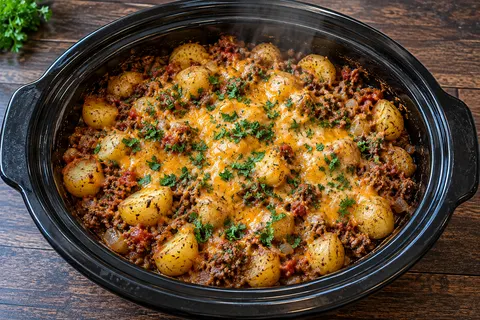
Crockpot Taco Potatoes
Tender potatoes, taco-seasoned ground beef and melted cheddar, slow cooked in one pot with about 20 minutes of hands-on prep.
 Dinner
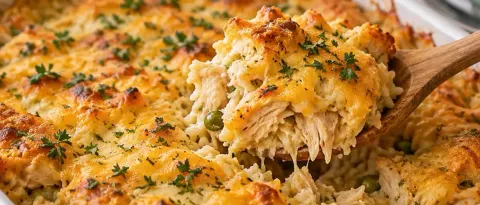
Chicken Casserole Recipes
Chicken casseroles all follow the same simple formula. Here's how to pick the right base, get the texture right, and find the version that fits your weeknight.
 Dinner
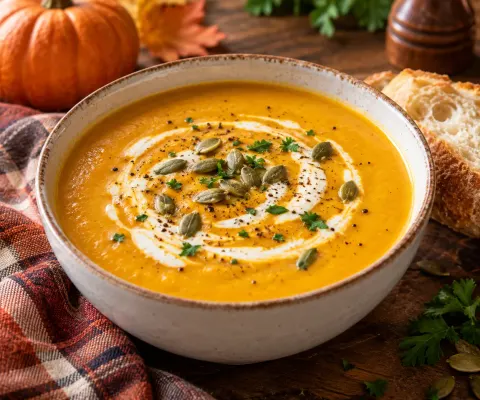
3-Ingredient Creamy Pumpkin Soup (Easy 15-Minute Fall Recipe)
A quick, cozy pumpkin soup made from just three ingredients and one pot — ready in about 15 minutes, no chopping or roasting required.
DinnerEasy Chicken and Rice Casserole – A Cozy Weeknight Dinner
Diced chicken, rice, and a creamy blend of pantry staples bake together in one dish for a hands-off weeknight dinner that comes out tender, cheesy…