
Creamy Oyster Seafood Stew
A rich, creamy oyster stew made with fresh oysters, their briny liquor, and a velvety, buttery broth…
 By Amanda Davis8 MIN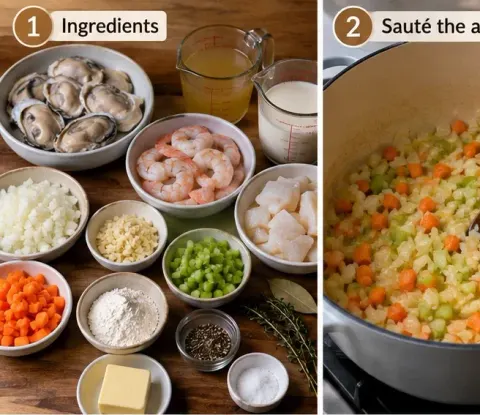
This post may contain affiliate links. If you buy something through one of them, we may earn a small commission at no extra cost to you. Learn more.
Ingredients
Instructions
- Prep the oysters. Drain the shucked oysters in a colander set over a bowl to catch and reserve the liquor. Pick through the oysters for any stray shell fragments, then set both the oysters and liquor aside.
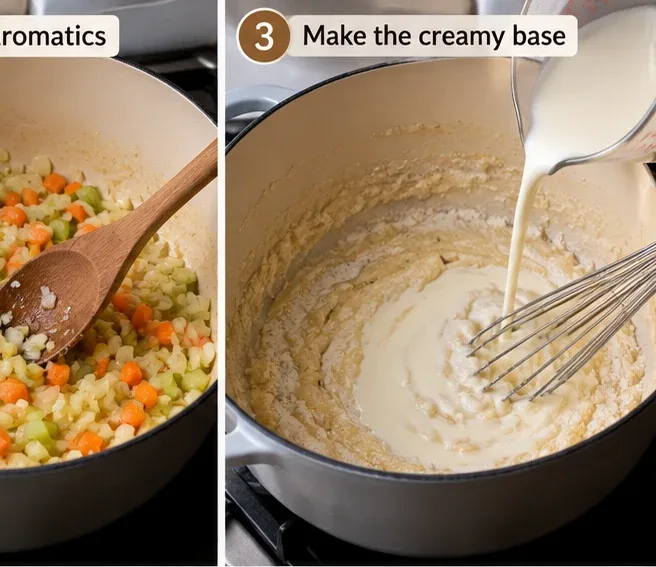
- Sauté the aromatics. Melt the butter in a large pot or Dutch oven over medium heat. Add the onion and celery and cook for 4–5 minutes, until softened.
- Add the garlic. Stir in the garlic and cook for 30 seconds, until fragrant.
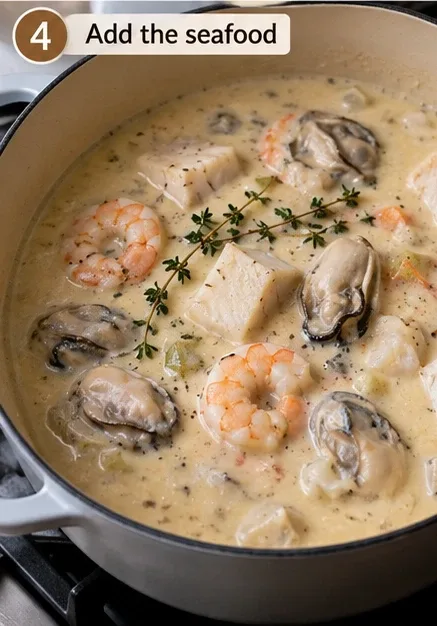
- Make the roux. Sprinkle the flour over the vegetables and stir constantly for 1–2 minutes, until it turns light golden and coats everything in the pot.
- Build the broth. Slowly whisk in the reserved oyster liquor and seafood stock, scraping up any browned bits from the bottom of the pot. Bring to a gentle simmer.
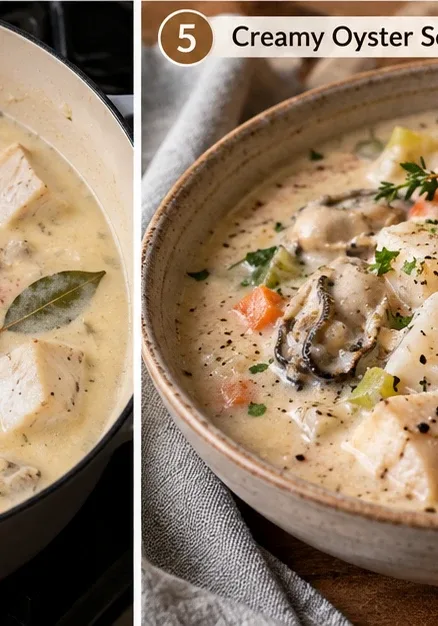
- Add the dairy. Stir in the milk and heavy cream. Season with Old Bay, smoked paprika, and cayenne (if using), then simmer gently for 5 minutes — do not let it boil.
- Add the oysters. Gently fold in the oysters and simmer just until their edges begin to curl and ruffle, 2–3 minutes. Watch closely — overcooked oysters turn rubbery.
- Season and finish. Taste and adjust salt, pepper, and Old Bay as needed.
- Serve. Ladle into bowls, garnish with fresh parsley, and serve hot with oyster crackers or crusty bread.
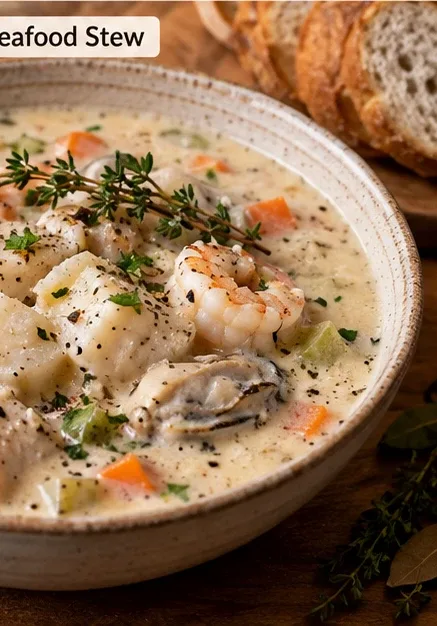
There's a reason creamy oyster stew has been a coastal American comfort food staple for generations: it's ready in about 30 minutes, needs just one pot, and turns a handful of humble ingredients into something that tastes like a special occasion. This version leans into a rich, velvety broth built on the oysters' own briny liquor, so every spoonful tastes distinctly of the sea without any heavy seasoning getting in the way.
If you've never cooked with fresh oysters at home, don't worry — this recipe walks through exactly when to add them and how to tell they're done, so you get plump, tender oysters instead of rubbery ones.
Why You'll Love This Creamy Oyster Seafood Stew
This isn't a fussy restaurant dish — it's a genuinely easy oyster stew recipe you can pull together on a weeknight. A few reasons it's worth adding to your rotation:
It's fast. From prep to bowl, you're looking at about 35 minutes total.
It's rich without being heavy. A light roux and a mix of milk and cream keep the broth silky without weighing it down.
The oysters are the star. Their liquor becomes the backbone of the broth, so you get real oyster flavor in every bite, not just a garnish on top.
It reheats beautifully (with one small trick — more on that below).
Ingredients and Why They Matter
A great creamy oyster stew comes down to a short list of ingredients, each pulling real weight:
Fresh shucked oysters and their liquor — the liquor (the natural liquid the oysters are packed in) is essentially free seafood stock, and it's what gives this stew its deep, briny flavor. Don't pour it out.
Butter, onion, and celery — the classic aromatic base for almost any American chowder or stew, cooked low and slow to build sweetness before anything else goes in.
Garlic — just a little, added at the end of the sauté so it doesn't scorch.
Flour — used sparingly to make a light roux, which thickens the broth just enough to coat a spoon without turning it into gravy.
Whole milk and heavy cream — the combination gives you a broth that's creamy but still pourable, rather than something closer to a bisque.
Seafood stock or clam juice — rounds out the briny base alongside the oyster liquor.
Old Bay, smoked paprika, and a pinch of cayenne — classic, restrained seasoning that supports the oysters instead of covering them up.
How to Make Creamy Oyster Seafood Stew
The full ingredient list and step-by-step instructions are in the recipe card below, but here's the shape of it: you'll sauté onion and celery in butter, stir in garlic and a little flour to build a light roux, then slowly whisk in the oyster liquor and seafood stock. Once that base is simmering, the milk and cream go in along with the seasoning. The oysters themselves go in last, for just a couple of minutes, so they stay tender. That timing is really the only technique this recipe asks of you — everything else is just stirring a pot.
If you love brothy, oyster-forward seafood dinners, this stew sits nicely alongside our Cozy Creamy Seafood Chowder with Shrimp and Crab — same cozy, one-pot spirit, different shellfish.
How to Keep the Broth Smooth
The single biggest risk with any cream-based seafood stew is a broken or curdled broth, and it almost always comes down to heat. Once the milk and cream are in the pot, keep the stew at a gentle simmer — small bubbles around the edge of the pot, never a rolling boil. If you're reheating leftovers, do the same: low heat, stirring often, and never a hard boil. Whisking the flour into the fat (rather than dumping it straight into liquid) before you add any dairy also goes a long way toward a broth that stays silky instead of separating.
Common Mistakes to Avoid
Overcooking the oysters. They only need a couple of minutes in the hot broth. Once the edges start to ruffle and curl, they're done — pull the pot off the heat right then.
Boiling the stew after the dairy is added. This is the fastest way to end up with a grainy, broken broth.
Skipping the oyster liquor. Straining it out and tossing it throws away most of the stew's flavor.
Under-seasoning. Because the base is naturally salty, it's tempting to skip seasoning altogether — but a little Old Bay and black pepper still make a real difference.
What to Serve With Oyster Stew
Oyster stew is rich enough to be the whole meal with the right sides. Oyster crackers or a warm, crusty loaf of bread are the classic pairing, perfect for soaking up the broth. A simple green salad with a sharp vinaigrette helps balance the richness. If you're building out a bigger cold-weather spread, this stew fits right in next to other cozy, creamy dinners like our Canadian Cheese Soup or a big pot of Winter Chowder.
Storage and Reheating
Let any leftovers cool, then store them in an airtight container in the refrigerator for up to 2 days. Because this is a cream-and-seafood stew, it's best enjoyed fresh and doesn't freeze particularly well — the dairy can separate and the oysters can turn rubbery once thawed. To reheat, warm it gently on the stovetop over low heat, stirring often, just until hot. Avoid the microwave if you can, and never let it come to a full boil, or the broth can break.
Tips for Success
Buy the freshest oysters you can find, and don't rinse away the liquor — it's the most flavorful part.
Let the roux cook for a full minute or two before adding liquid, so the stew doesn't taste like raw flour.
Keep the heat gentle once the dairy goes in. A hard boil is the enemy of a smooth, creamy broth.
Taste before you salt. Oyster liquor and seafood stock are both naturally salty, so add salt at the very end, a little at a time.
Warm your bowls. A stew this delicate loses its silky texture fast in a cold bowl.
Variations
This stew is easy to adapt to what you have on hand:
Make it a seafood medley: stir in a handful of chopped cooked shrimp or lump crab meat along with the oysters, similar to what you'll find in our Seafood Bisque with Crab, Shrimp, and Lobster.
Lighten it up: swap the heavy cream for half-and-half, or use all whole milk for a thinner, lighter broth.
Add corn: a cup of sweet corn kernels stirred in with the dairy adds natural sweetness and texture — the same trick that makes our Sweet Corn and Shrimp Chowder so good.
Spice it up: a little extra cayenne or a dash of hot sauce at the table turns this into a spicier, Cajun-leaning stew.
No fresh oysters? Good-quality jarred, pre-shucked oysters (found in the refrigerated seafood case) work well and still come with their own liquor.
Frequently Asked Questions
Can I use canned or jarred oysters instead of fresh?
Yes. Refrigerated, pre-shucked jarred oysters work well in this recipe and usually come packed in their own liquor, which you can use the same way as freshly shucked oysters. Canned oysters can work in a pinch, though the texture and flavor won't be quite as delicate.
How do I know when the oysters are done?
Watch the edges. Fresh oysters are done as soon as their edges start to curl and ruffle, which usually takes just 2 to 3 minutes in a hot broth. Pull the pot off the heat as soon as you see that — any longer and they turn tough.
Why did my oyster stew curdle or turn grainy?
This almost always comes down to heat. Once the milk and cream are added, keep the stew at a gentle simmer rather than a boil, both while cooking and when reheating leftovers.
Can I make this stew ahead of time?
You can make the broth base (through the point before the oysters go in) a day ahead and refrigerate it. Reheat it gently, then add the raw oysters fresh so they don't overcook while sitting.
Is oyster stew the same as oyster soup?
They're essentially the same dish — "stew" and "soup" are often used interchangeably for this recipe. This version leans toward the thicker, creamier end of that spectrum thanks to the roux and heavy cream.
This creamy oyster stew comes together in one pot and about half an hour, and it's the kind of old-fashioned oyster stew recipe that never really goes out of style. Scroll down for the full ingredient list and step-by-step instructions in the recipe card.
More Recipes You'll Love
All Dinner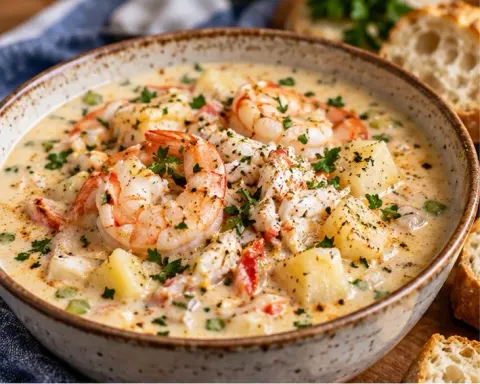 Dinner
Cozy Creamy Seafood Chowder with Shrimp and Crab
This creamy seafood chowder is loaded with tender shrimp, sweet crab, and hearty potatoes in a rich, buttery broth — an easy, cozy dinner ready in 45 minutes.
 Dinner
Chicken Casserole Recipes
Chicken casseroles all follow the same simple formula. Here's how to pick the right base, get the texture right, and find the version that fits your weeknight.
 Dinner
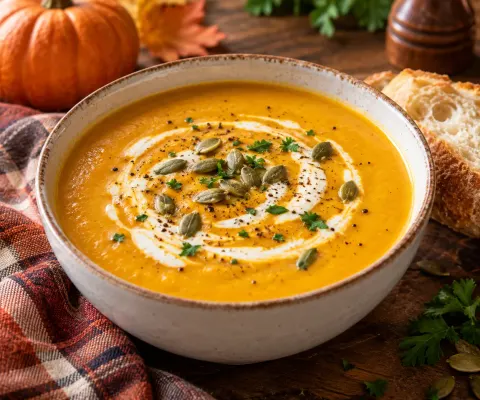
3-Ingredient Creamy Pumpkin Soup (Easy 15-Minute Fall Recipe)
A quick, cozy pumpkin soup made from just three ingredients and one pot — ready in about 15 minutes, no chopping or roasting required.
DinnerEasy Chicken and Rice Casserole – A Cozy Weeknight Dinner
Diced chicken, rice, and a creamy blend of pantry staples bake together in one dish for a hands-off weeknight dinner that comes out tender, cheesy…
 Dinner
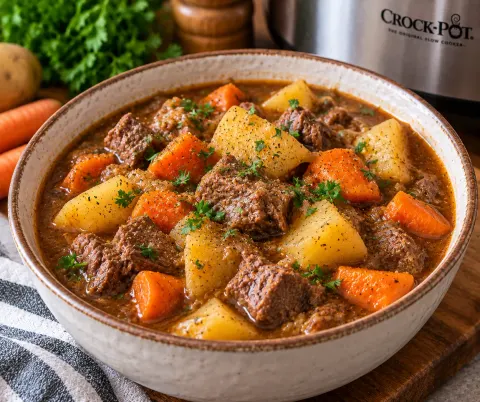
Slow Cooker 4-Ingredient Mulligan Stew
Tender beef, potatoes, and carrots simmer together with a can of cream of mushroom soup for a hearty…
 Dinner
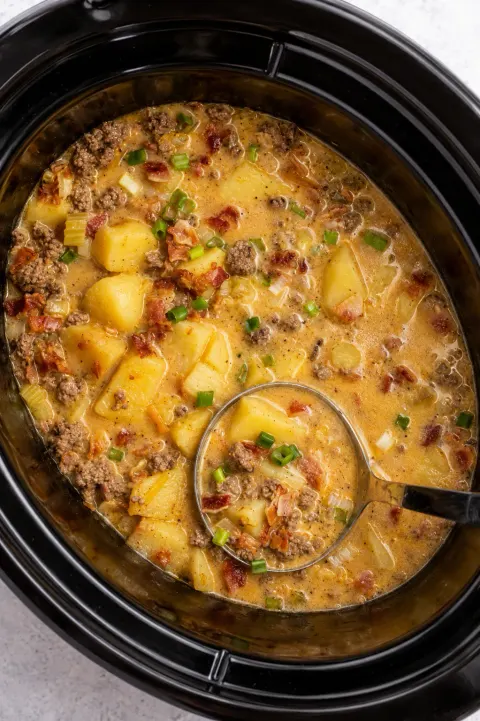
Creamy Potato Bacon Soup
There’s nothing quite like a warm bowl of homemade soup on a chilly day, and this Creamy Potato Bacon Soup is pure comfort in a bowl!
 Dinner
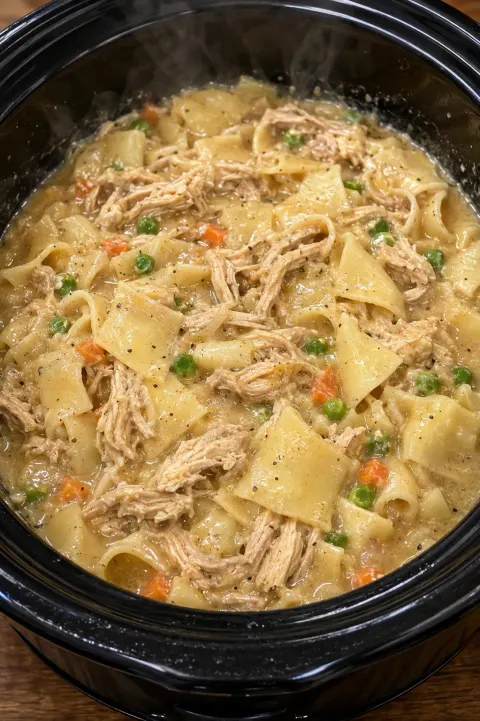
Slow Cooker 4-Ingredient Amish Chicken Pot Pie
When you need a warm, comforting dinner without spending hours in the kitchen, this Slow Cooker 4-Ingredient Amish Chicken Pot Pie is such a wonderful recipe…
 Dinner
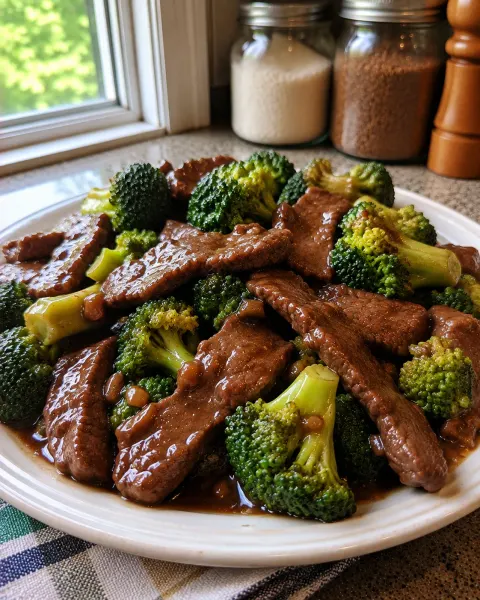
Beef and Broccoli
If you’re craving a delicious takeout-style dinner without picking up the phone, this Beef and Broccoli recipe is exactly what you need!