
How to Make Perfect Scrambled Eggs Every Time (Soft, Fluffy & Never Dry)
Thank you so much for being here 💛 Truly. Scrambled eggs may seem simple, but getting them perfect—soft, creamy…
 By Amanda DavisJAN 13, 20264 MIN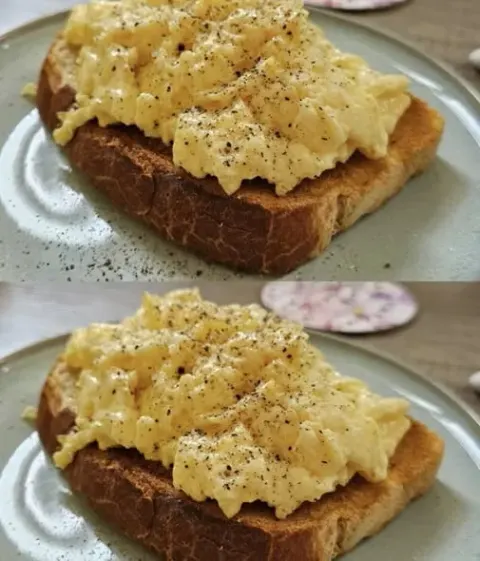
This post may contain affiliate links. If you buy something through one of them, we may earn a small commission at no extra cost to you. Learn more.
Ingredients
Instructions
- Crack eggs into a bowl. Whisk until yolks and whites are fully combined and slightly frothy. This adds air for fluffier eggs.
- Tip: Season lightly with salt now or right after cooking—both work.
- Place a nonstick skillet over low to medium-low heat. Add butter and let it melt slowly without browning.
- Low heat is the secret. Rushing = dry eggs.
- Pour eggs into the pan once the butter is melted and just beginning to foam.
- Let the eggs sit for a few seconds, then gently push them from the edges toward the center using a spatula. Keep stirring slowly—don’t scramble aggressively.
- Take the pan off the heat while the eggs still look slightly wet. Residual heat will finish cooking them.
- Season with pepper, add cheese or herbs if using, and serve immediately.
Thank you so much for being here 💛 Truly. Scrambled eggs may seem simple, but getting them perfect—soft, creamy, and full of flavor—can feel surprisingly tricky. I’ve had my share of rubbery breakfasts, and I promised myself there had to be a better way. Good news? There is—and once you learn it, you’ll never go back.
This is your go-to, no-fail guide to perfect scrambled eggs every single time. Breakfast doesn’t have to be boring!!
Perfect Scrambled Eggs Overview
Perfect scrambled eggs are all about gentle heat, simple ingredients, and patience. When done right, they’re tender, fluffy, and slightly creamy—not dry, not brown, and definitely not overcooked.
Reasons to Love Perfect Scrambled Eggs
- Ready in under 10 minutes
- Uses basic pantry ingredients
- Soft and fluffy texture
- Beginner-friendly
- Customizable for any taste
What Do Perfect Scrambled Eggs Taste Like?
Light, buttery, and rich with a soft, almost custardy texture. They should melt in your mouth—not squeak when you chew.
Benefits of Making Scrambled Eggs This Way
- Better texture
- More flavor
- No rubbery eggs
- Consistent results
- Restaurant-quality at home
Ingredients for Perfect Scrambled Eggs
- 2–4 large eggs
- 1–2 tbsp milk, cream, or water (optional)
- Salt, to taste
- Black pepper, to taste
- 1 tbsp butter
Optional Add-Ins
- Shredded cheese
- Fresh herbs (chives, parsley)
- Sautéed veggies
- Cooked bacon or ham
Necessary Tools
- Nonstick skillet
- Silicone spatula
- Bowl
- Whisk or fork
Step-by-Step: How to Make Perfect Scrambled Eggs
Step 1: Crack and Whisk
Crack eggs into a bowl. Whisk until yolks and whites are fully combined and slightly frothy. This adds air for fluffier eggs.
Tip: Season lightly with salt now or right after cooking—both work.
Step 2: Heat the Pan Gently
Place a nonstick skillet over low to medium-low heat. Add butter and let it melt slowly without browning.
Low heat is the secret. Rushing = dry eggs.
Step 3: Add the Eggs
Pour eggs into the pan once the butter is melted and just beginning to foam.
Step 4: Stir Slowly and Gently
Let the eggs sit for a few seconds, then gently push them from the edges toward the center using a spatula. Keep stirring slowly—don’t scramble aggressively.
Step 5: Remove Early
Take the pan off the heat while the eggs still look slightly wet. Residual heat will finish cooking them.
Step 6: Finish and Serve
Season with pepper, add cheese or herbs if using, and serve immediately.
What to Serve with Scrambled Eggs
Perfect scrambled eggs pair beautifully with:
- Buttered toast
- Avocado slices
- Breakfast potatoes
- Bacon or sausage
- Fresh fruit
Common Mistakes to Avoid
- Cooking on high heat
- Leaving eggs unattended
- Over-stirring
- Over-seasoning early
- Letting eggs sit too long before serving
Storage Instructions
Scrambled eggs are best fresh, but leftovers can be stored in the refrigerator for up to 1 day. Reheat gently on low heat or in short microwave bursts.
Conclusion: Simple, Perfect, Every Time
Learning how to make perfect scrambled eggs every time is one of those kitchen skills that pays off forever. Soft, fluffy, buttery eggs turn an ordinary breakfast into something special—and once you master this method, you’ll wonder how you ever did it any other way.
If you loved this guide, try my fluffy omelet tips, breakfast egg muffins, or soft-boiled egg tutorial next.
I’d love to hear how yours turned out! Leave a comment, share your plate on Pinterest, and let’s keep breakfast delicious 🍳💛
Nutritional Information (Per 2 Eggs)
- Calories: 180
- Protein: 12g
- Fat: 14g
- Carbohydrates: 1g
Tips for Success
- Use low heat—always
- Don’t overcook
- Butter > oil for flavor
- Stir gently, not constantly
- Serve immediately
Frequently Asked Questions
Should I add milk or water?
Optional. Milk adds richness, water adds fluff. Neither is required.
Why are my eggs rubbery?
Too much heat or overcooking.
Can I make them creamy like restaurant eggs?
Yes—use low heat and pull them early.
Should I salt before or after cooking?
Either works, but salting after gives slightly softer eggs.
More Recipes You'll Love
All Dinner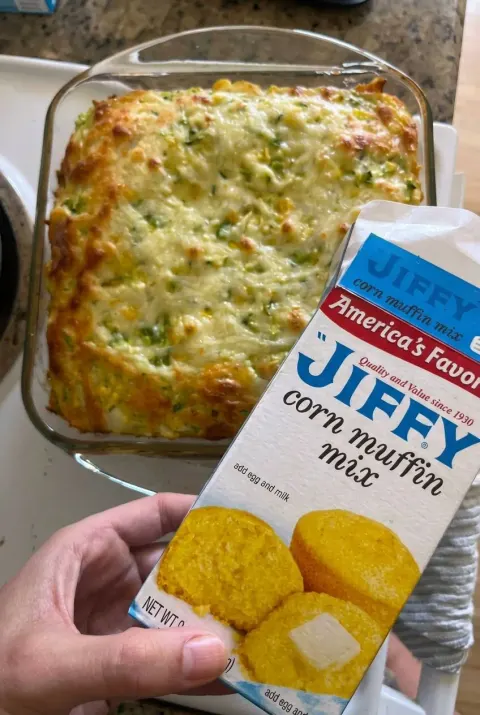 Dinner
Zucchini Cornbread Casserole (Moist, Savory & Comfort-Filled)
Thank you so much for being here 💛 Truly. This Zucchini Cornbread Casserole is one of those cozy, feel-good recipes that sneaks vegetables into comfort food…
 Dinner
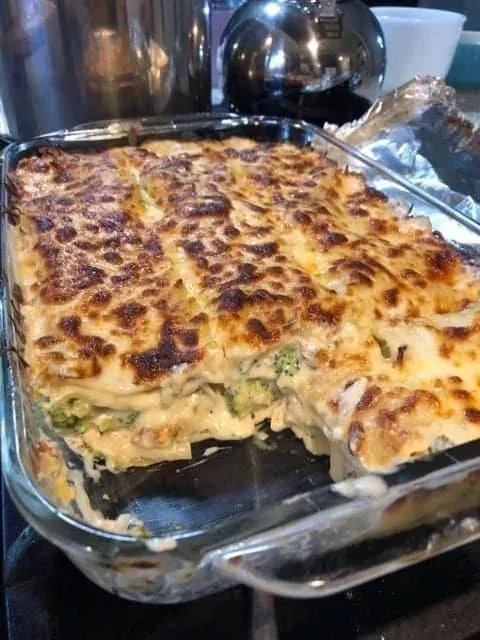
Keto Chicken and Broccoli Lasagna (Low-Carb, Creamy & Comforting)
Thank you so much for being here 💛 Truly. If you’re craving cozy, layered comfort food without the carbs…
 Dinner
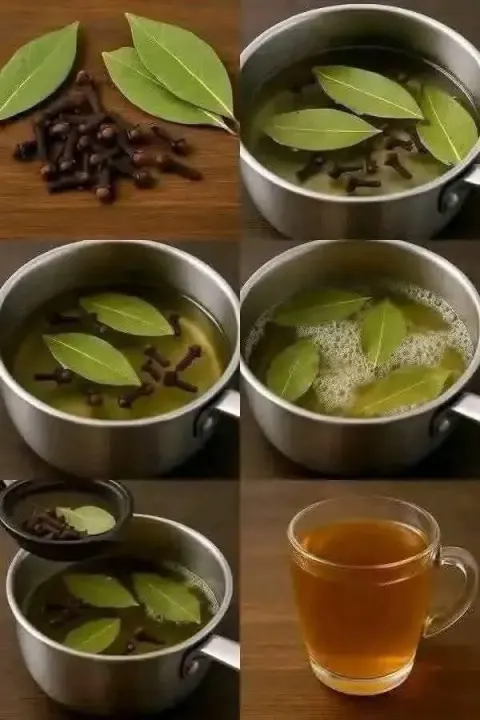
Bay Leaf and Clove Herbal Tea (Soothing, Warming & Naturally Healing)
Thank you so much for being here 💛 Truly. There’s something deeply comforting about a warm cup of Bay Leaf and Clove Herbal Tea—especially when life feels…
 Dinner
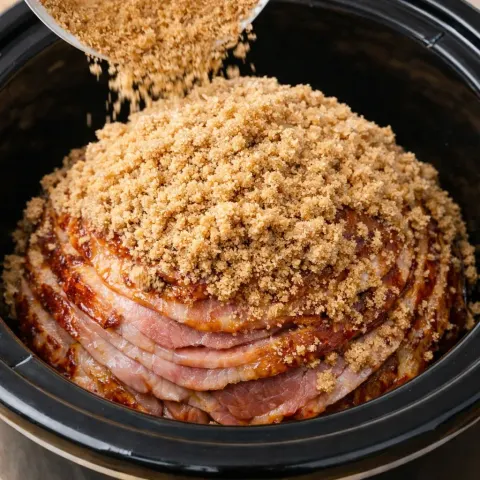
2-Ingredient Slow Cooker Brown Sugar Ham (So Easy, So Good)
Thank you so much for being here 💛 Truly. This recipe is the definition of low effort, high reward. If you’ve ever needed a no-fuss dinner that feels…
 Dinner
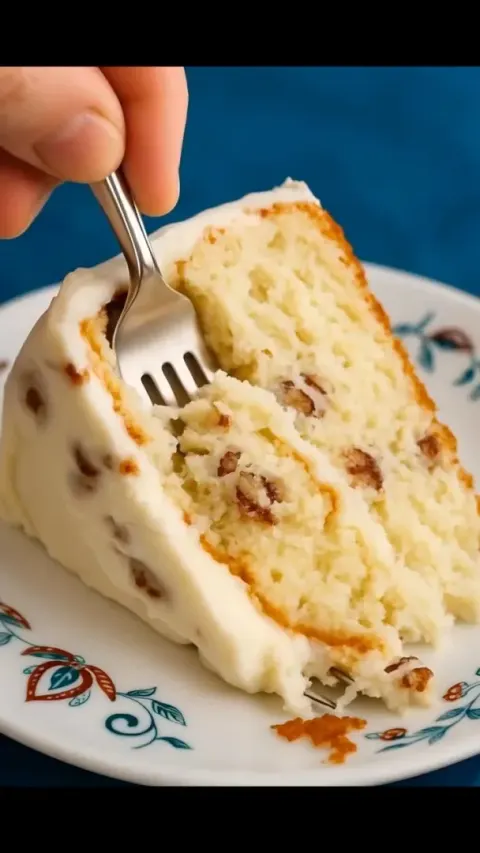
Italian Cream Cake: A Decadent Delight for Any Celebration
Thank you so much for being here 💛 Truly. Italian Cream Cake is one of those show-stopping desserts that feels like a celebration all on its own.
 Dinner
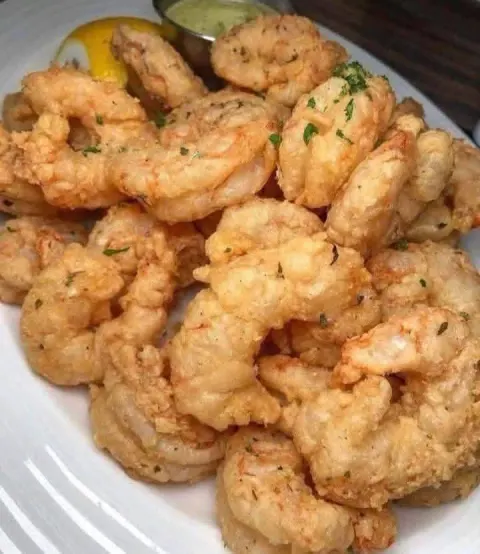
Southern Fried Shrimp: The Crispy, Golden Seafood Classic You’ll Crave Every Weekend
Thank you so much for being here 💛 Truly. Southern Fried Shrimp is one of those timeless recipes that never goes out of style—simple, golden…
 Dinner
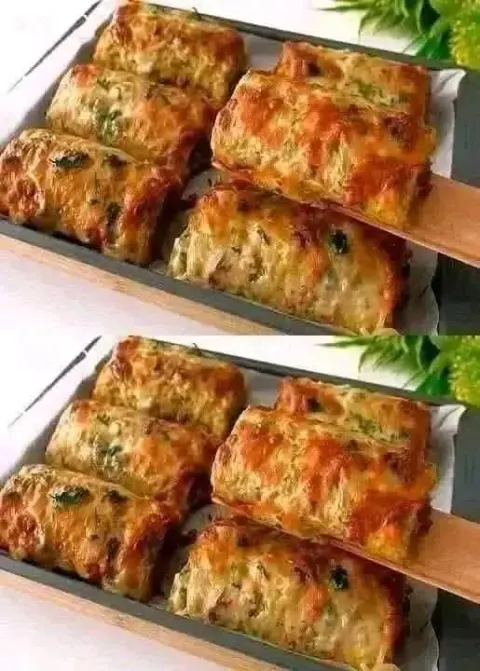
Potato Rolls with Chicken (Crispy, Creamy & Irresistibly Cozy)
Thank you so much for being here 💛 Truly. These Potato Rolls with Chicken are one of those comforting recipes that instantly feel like home.
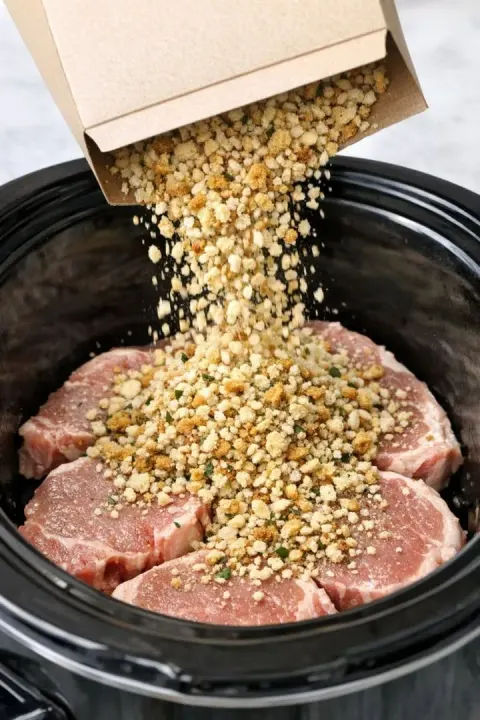 Dinner
🥩 4-Ingredient Slow Cooker Pork Chops with Stuffing Crust
The Cozy, One-Pot Dinner That Feels Like Sunday Supper—Any Night of the Week! Thank you so much for being here 💛 Truly.