
How to Pick the Best Fruits at the Grocery Store (A Shopper’s Guide)
Have you ever brought home a beautiful piece of fruit only to discover it was bland, underripe, or overripe? You’re definitely not alone.
 By Amanda DavisJUN 6, 20266 MIN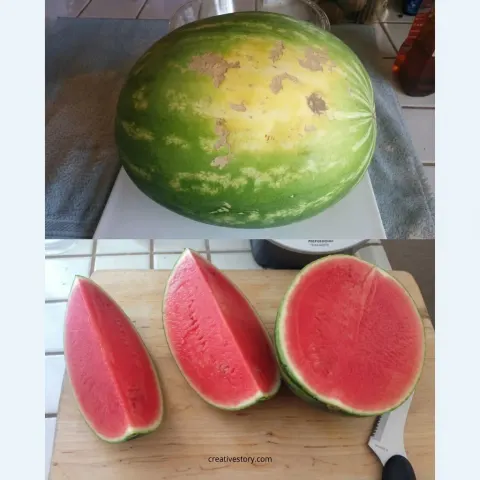
Have you ever brought home a beautiful piece of fruit only to discover it was bland, underripe, or overripe? You’re definitely not alone. Choosing fresh, flavorful fruit can sometimes feel like a guessing game, especially with so many options lining the produce aisles.
The good news is that a few simple tricks can dramatically improve your chances of bringing home perfectly ripe fruit every time. Over the years, I’ve learned that color, texture, aroma, and even weight can reveal a lot about what’s hiding beneath the skin.
This shopper’s guide will help you confidently select the best fruits at the grocery store, whether you’re buying apples, berries, melons, peaches, or tropical fruits.
If you enjoy kitchen tips and fresh produce guides, be sure to subscribe and receive more helpful articles delivered straight to your inbox!
How to Pick the Best Fruits at the Grocery Store
Knowing how to evaluate fruit before purchasing can save money, reduce waste, and ensure your recipes taste their absolute best.
Why Choosing Good Fruit Matters
Fresh, ripe fruit offers:
- Better flavor
- Higher nutritional value
- Longer shelf life
- Less food waste
- More enjoyable eating experiences
Learning what to look for can make a huge difference in the quality of your meals and snacks.
General Rules for Choosing Fruit
Before diving into specific fruits, keep these universal guidelines in mind.
Look for Vibrant Color
Most ripe fruits develop rich, consistent coloring.
Avoid:
- Dull skin
- Large green patches (unless natural)
- Significant discoloration
Check for Firmness
Gently press the fruit.
- Slight softness often indicates ripeness.
- Excessive softness may signal overripeness.
- Rock-hard fruit may need additional ripening time.
Smell the Fruit
Many ripe fruits develop a sweet fragrance.
If a fruit has little or no scent, it may not be fully ripe.
Feel the Weight
Ripe fruits often feel heavier than they look because they contain more juice.
Choose fruits that feel dense for their size.
How to Pick the Best Apples
Look For:
- Firm texture
- Smooth skin
- Bright color
- No bruises
Avoid:
- Soft spots
- Wrinkled skin
- Large cuts or punctures
Apples should feel solid and crisp.
How to Pick the Best Bananas
For Immediate Eating
Choose bananas that are:
- Bright yellow
- Lightly speckled
For Later Use
Select bananas with:
- Green tips
- Firm texture
Avoid:
- Split peels
- Mushy spots
- Leaking fruit
How to Pick the Best Strawberries
Look For:
- Deep red color
- Fresh green caps
- Shiny appearance
Avoid:
- White shoulders
- Mold
- Mushy berries
The berries do not continue ripening significantly after picking.
How to Pick the Best Blueberries
Choose:
- Firm berries
- Deep blue-purple color
- Silvery bloom coating
Avoid:
- Wrinkled berries
- Moist containers
- Red or green berries
The natural powdery coating helps protect freshness.
How to Pick the Best Grapes
Look For:
- Firm grapes
- Green, flexible stems
- Consistent color
Avoid:
- Brown stems
- Soft fruit
- Loose grapes collecting at the bottom of the bag
How to Pick the Best Peaches
Check For:
- Sweet aroma
- Slight softness
- Vibrant coloring
Avoid:
- Green undertones
- Hard, rock-like texture
- Wrinkled skin
Peaches continue ripening at room temperature.
How to Pick the Best Watermelon
The Field Spot Test
Look for a creamy yellow spot where the melon rested on the ground.
Weight Test
Choose the melon that feels heavy for its size.
Tap Test
A ripe watermelon often produces a deep, hollow sound when tapped.
Avoid:
- Soft spots
- Cracks
- Dents
How to Pick the Best Cantaloupe
Look For:
- Sweet fragrance
- Slight softness at the stem end
- Raised netting on the skin
Avoid:
- Soft mushy areas
- Mold
- Strong fermented smell
How to Pick the Best Pineapple
Check:
- Golden color
- Sweet tropical aroma
- Healthy green leaves
Leaf Test
A center leaf should pull out with slight resistance.
Avoid:
- Fermented smell
- Soft spots
- Excessive browning
How to Pick the Best Mangoes
Focus on Texture
Color varies by variety, so softness is a better indicator.
Look For:
- Slight give when squeezed
- Sweet aroma near the stem
Avoid:
- Wrinkled skin
- Very soft spots
How to Pick the Best Avocados
For Immediate Use
Choose:
- Slightly soft
- Darker skin (depending on variety)
For Later Use
Select:
- Firm avocados
Stem Test
Remove the small stem cap.
- Green underneath = ripe
- Brown underneath = overripe
Common Mistakes to Avoid
Buying Based Only on Appearance
Beautiful fruit isn’t always the ripest.
Ignoring Aroma
Smell is one of the best ripeness indicators.
Choosing Pre-Cut Fruit Too Early
Fresh-cut fruit has a shorter shelf life.
Buying Too Much at Once
Purchase quantities you can enjoy before spoilage occurs.
Conclusion
Learning How to Pick the Best Fruits at the Grocery Store can completely change the quality of your meals, snacks, and desserts. By paying attention to color, texture, aroma, and weight, you’ll be able to choose sweeter, juicier, and more flavorful fruit with confidence.
The next time you’re in the produce section, use these simple tips and enjoy the satisfaction of bringing home fruit that’s perfectly ripe and ready to enjoy.
More Helpful Kitchen Guides
- How to Store Fresh Produce Longer
- Best Vegetables to Buy in Season
- Freezer-Friendly Fruits Guide
- Easy Meal Prep Tips for Busy Families
- How to Keep Berries Fresh Longer
Share Your Tips
Do you have a favorite trick for picking ripe fruit? Leave a comment below and share your produce-shopping wisdom! We’d love to hear what works best for you.
Quick Reference Checklist
Before adding fruit to your cart, remember:
✔ Check color ✔ Smell for sweetness ✔ Feel for proper firmness ✔ Choose heavier fruit ✔ Avoid bruises and soft spots ✔ Buy seasonal when possible
Fresh, flavorful fruit starts with smart shopping—and now you’re ready to pick the best of the bunch every time! 🍎🍓🍑🍍🛒✨
Tips for Success
Buying fruit in season often means:
- Better flavor
- Lower prices
- Longer freshness
- Higher nutritional quality
Spring
- Strawberries
- Apricots
Summer
- Peaches
- Watermelon
- Cherries
- Blueberries
Fall
- Apples
- Pears
- Grapes
Winter
- Citrus fruits
- Pomegranates
Frequently Asked Questions
Does fruit continue ripening after purchase?
Some fruits do, including bananas, peaches, pears, and avocados.
Should fruit be refrigerated immediately?
Not always. Many fruits benefit from ripening at room temperature first.
What fruits should never be squeezed hard?
Berries and stone fruits bruise easily. Handle gently.
Why does weight matter?
Heavier fruits often contain more juice and moisture.
Is organic fruit easier to judge?
The same ripeness indicators generally apply to both organic and conventional fruit.
More Recipes You'll Love
All Dinner Dinner
4-Ingredient Chicken Royale
Some of the best recipes come from the simplest ingredient lists, and this 4-Ingredient Chicken Royale is proof.
 Dinner
Easy Zesty Italian Macaroni Bake – The Best Cheesy Weeknight Pasta Dinner
Thank you for stopping by today! If your family is anything like mine, pasta dinners are always a welcome sight at the table.
 Dinner
White Almond Cake
There’s something undeniably special about a beautifully baked White Almond Cake. It’s soft, tender, and delicately flavored with almond and vanilla…
 Dinner
Ambrosia Salad
Some recipes instantly bring back memories of family gatherings, holiday dinners, and potluck tables overflowing with comfort food.
 Dinner
Dole Pineapple Whip
There’s something magical about that first spoonful of Dole Pineapple Whip—cold, creamy, tropical, and instantly refreshing.
 Dinner
Healthy Lemon Bars
There’s something irresistible about a good lemon bar. The combination of a buttery crust and a bright…
 Dinner
Keto Peanut Butter Bars
If you’re a peanut butter lover, you’re about to discover your new favorite low-carb treat. These Keto Peanut Butter Bars are creamy, rich…
 Dinner
Keto Chocolate
If you’ve ever thought following a keto lifestyle meant giving up chocolate, I have wonderful news for you.