
The Fizz in the Can: What Those Bubbles in Your Tomatoes Really Mean
The fizz in the can: what those bubbles in your tomatoes really mean is one of those kitchen moments that instantly makes your stomach drop.
 By Amanda DavisJAN 30, 20266 MIN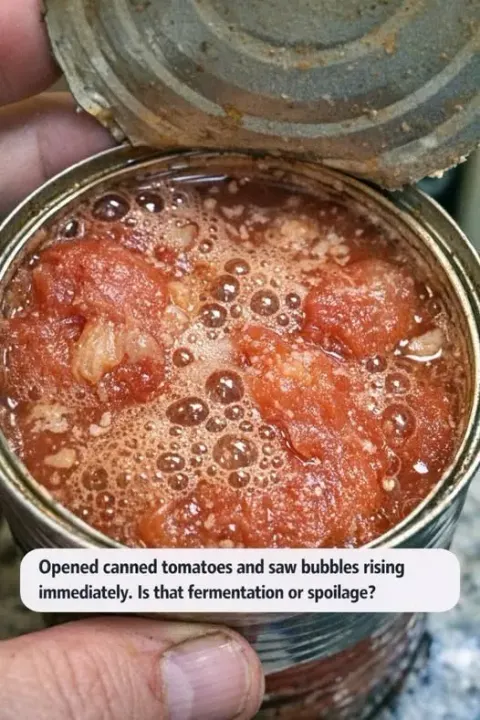
The fizz in the can: what those bubbles in your tomatoes really mean is one of those kitchen moments that instantly makes your stomach drop. I’m genuinely glad you’re here, because if you’ve ever cracked open a can of tomatoes and noticed bubbling, hissing, or foaming, you’re not alone—and you’re absolutely right to pause. Thank you for caring enough about your food (and your family!) to ask questions before using it.
Canned tomatoes are a pantry staple in so many homes, mine included. They’re dependable, versatile, and usually very safe. But when bubbles appear, it can feel confusing and even a little scary. Let’s walk through exactly what’s happening, when it’s harmless, when it’s dangerous, and what you should always do next.
The Fizz in the Can: What Those Bubbles in Your Tomatoes Really Mean
At its core, the fizz in the can usually signals a chemical or biological reaction. Sometimes it’s minor. Sometimes it’s a big red flag. Knowing the difference is key to keeping your kitchen safe.
Why Canned Tomatoes Normally Don’t Bubble
Under normal circumstances, canned tomatoes should be:
- Still and liquid
- Free of foam or fizz
- Neutral-smelling (slightly acidic, but fresh)
Canning works by heating food to destroy bacteria and sealing it so no air or microbes can get back in. When that seal is intact and the food inside remains stable, there should be no bubbling at all.
So when bubbles appear? Something has changed.
Common Reasons You See Bubbles in Canned Tomatoes
Let’s break down the most common explanations—starting with the least serious and moving toward the most important food-safety concerns.
1. Trapped Air Escaping (Rare but Possible)
In very rare cases, you may see a few bubbles rise immediately after opening a can due to trapped air being released. This usually happens:
- Right at opening
- Only for a second or two
- Without foam, smell, or continued fizzing
If the bubbling stops almost instantly and everything else looks and smells normal, it may be harmless—but this is uncommon with tomatoes.
2. Chemical Reaction with the Can Lining
Tomatoes are highly acidic. Over time, especially if a can is old or stored improperly, the acid can react with imperfections in the can’s lining.
This may cause:
- Light bubbling
- Metallic or “off” smells
- Discoloration
While this doesn’t always mean dangerous bacteria, it does mean the tomatoes are compromised and should not be eaten.
3. Fermentation (The Big Red Flag 🚩)
This is the most common—and most concerning—reason for fizzing tomatoes.
Fermentation happens when:
- The seal failed
- Bacteria or yeast entered the can
- Microorganisms produced gas
Signs of fermentation include:
- Continuous bubbling or foaming
- Hissing or pressure release when opened
- Sour, alcoholic, or rotten smell
- Cloudy liquid
- Bulging can (before opening)
If you see active fizzing, the tomatoes are not safe.
What That Hissing Sound Really Means
If you hear a pssst or hissing sound when opening canned tomatoes, that pressure didn’t come from nowhere.
Pressure inside a can usually means:
- Gas buildup from microbial growth
- Spoilage activity inside the can
This is not the same as carbonation. Tomatoes are not supposed to create gas. Ever.
Are Bubbly Tomatoes Dangerous?
Short answer: yes, they can be.
While not every spoiled can contains botulism (which is rare), spoiled canned food can cause:
- Food poisoning
- Severe gastrointestinal illness
- Dangerous toxin exposure
Botulism itself is odorless and invisible—but bulging cans, fizzing, and leaks are classic warning signs. That’s why food safety guidelines are very strict here.
When in doubt, throw it out. Always.
How to Tell If Canned Tomatoes Have Gone Bad
Here’s a simple checklist you can use every time.
Before Opening the Can
Do not use the can if you notice:
- Bulging top or bottom
- Dents along seams
- Rust or corrosion
- Leaking liquid
After Opening the Can
Discard immediately if you notice:
- Bubbling or foaming
- Strong sour, rotten, or alcoholic smell
- Mold
- Slimy texture
- Discoloration
Even if the tomatoes look mostly okay—bubbles alone are enough to toss them.
What to Do If You Open a Fizzy Can of Tomatoes
If you open a can and see fizzing:
- Do not taste it (not even a tiny bit)
- Avoid splashing the contents
- Pour it carefully down the sink
- Rinse the sink with hot water
- Wash your hands thoroughly
If the can was bulging or leaking before opening, discard the entire thing without opening if possible.
Can Cooking Spoiled Tomatoes Make Them Safe?
No—and this part is incredibly important.
Cooking:
- Does not neutralize toxins
- Does not make fermented food safe
- Does not eliminate botulism risk
If tomatoes were fizzing before cooking, they are unsafe even after boiling or baking.
How to Store Canned Tomatoes Safely
Preventing this situation starts with proper storage.
Best Storage Practices
- Store in a cool, dry place
- Avoid high heat (like near ovens)
- Don’t store under sinks (humidity matters)
- Rotate stock—use older cans first
After Opening
Once opened:
- Transfer unused tomatoes to a glass or food-safe container
- Refrigerate immediately
- Use within 3–5 days
Never store leftover tomatoes in the opened can.
Are Home-Canned Tomatoes Different?
Yes—and they require extra caution.
Home-canned tomatoes:
- Must be acidified correctly
- Require pressure canning or proper water-bath methods
- Are more prone to spoilage if steps are skipped
If home-canned tomatoes fizz when opened, discard them immediately—no exceptions.
Why This Matters More Than You Think
Canned foods are incredibly safe when everything goes right. But when something goes wrong, the signs—like fizzing—are your early warning system.
Trust your instincts. That uneasy feeling when you see bubbles? It’s there for a reason.
Conclusion
The fizz in the can: what those bubbles in your tomatoes really mean comes down to one simple truth—bubbling is not normal, and it’s not worth the risk. While canned tomatoes are a kitchen staple we rely on, fizzing, foaming, or hissing is your sign to stop and throw them out.
Food safety doesn’t have to be complicated. When it comes to canned goods, when in doubt, throw it out is always the right answer.
If you found this helpful, you might also enjoy:
- How to Tell If Canned Food Is Still Safe
- Signs Your Pantry Staples Have Gone Bad
- Food Storage Mistakes That Cause Spoilage
Frequently Asked Questions
Can canned tomatoes fizz if they’re still within the expiration date?
Yes. Expiration dates don’t guarantee safety if the seal failed or storage conditions were poor.
Is slight bubbling ever okay?
With tomatoes, bubbling is almost always a warning sign. It’s best not to risk it.
What if there’s no smell but there are bubbles?
Still unsafe. Some dangerous spoilage produces no odor.
Can I compost spoiled canned tomatoes?
No. Dispose of them in sealed trash to avoid exposure.
More Recipes You'll Love
All Dinner Dinner
Best Grandma’s Old-Fashioned Bread Pudding with Vanilla Sauce Recipe
Grandma’s Old-Fashioned Bread Pudding with Vanilla Sauce is one of those heartwarming recipes that instantly makes me grateful for family, traditions…
 Dinner
Baked Cheesy Meat Patties
Baked Cheesy Meat Patties are one of those recipes that instantly makes me feel grateful for simple comfort food—and for you being here to share it!
 Dinner
How to Make Soft and Creamy Scrambled Eggs Every Time
How to make soft and creamy scrambled eggs every time is one of those kitchen skills that sounds simple… until you’ve eaten one too many dry…
 Dinner
Christmas Crack (Saltine Toffee)
Christmas Crack is that recipe. The one I make every single Christmas. The one I literally have to make in the dead of the night—and then hide—if I want any…
 Dinner
Pizza Burgers
Pizza Burgers are one of those joyful, nostalgic meals that instantly take me back—and I’m genuinely thankful you’re here to enjoy them with me.
 Dinner
Apple Caramel Bombs
Apple Caramel Bombs are one of those magical little treats that instantly make me feel grateful to be baking with you.
 Dinner
Doritos Taco Hash Brown Casserole
Doritos Taco Hash Brown Casserole is one of those comfort-food miracles that makes me stop, smile, and feel genuinely grateful to be sharing recipes with you.
 Dinner
Easy Slow Cooker Salisbury Steak Meatballs
Easy Slow Cooker Salisbury Steak Meatballs is one of those recipes I’m especially grateful to share with you.