
Loaded Denver Omelette
Ham, bell peppers, and onions get folded into a soft-cooked omelette for a protein-packed breakfast that's really just about timing the eggs right.
 By Amanda DavisSEP 9, 20265 MIN
This post may contain affiliate links. If you buy something through one of them, we may earn a small commission at no extra cost to you. Learn more.
Ingredients
Instructions
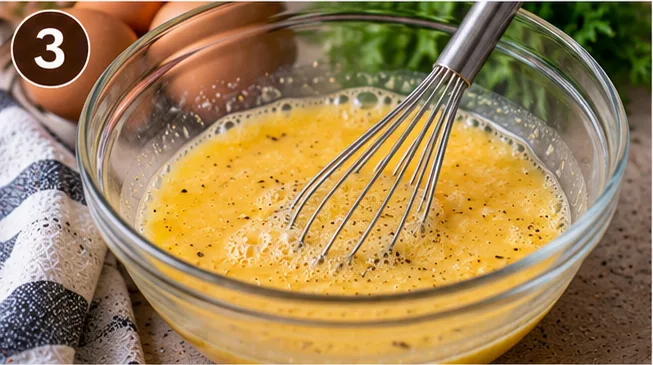
- Whisk the eggs with the milk or water, salt, and pepper until fully combined and slightly frothy.
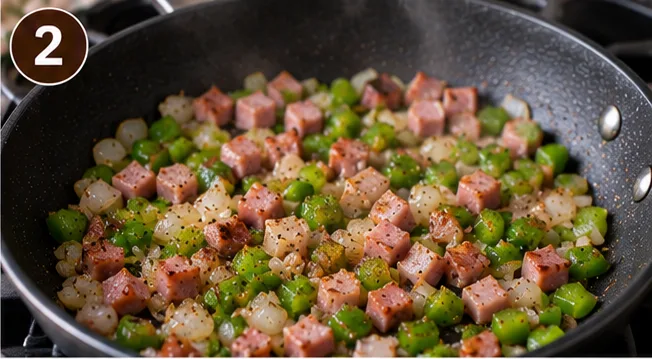
- Melt half the butter in a nonstick skillet over medium heat. Add the ham, bell pepper, and onion, and cook, stirring occasionally, until the vegetables soften and the ham picks up a little color, about 4-5 minutes. Transfer to a plate.
- Wipe out the skillet, add the remaining butter, and lower the heat to medium-low. Pour in the beaten eggs.
- Let the eggs sit undisturbed for about 20 seconds, then gently push the cooked edges toward the center with a spatula, tilting the pan so uncooked egg flows to the edges. Repeat for about 1-2 minutes, until mostly set but still slightly wet on top.
- Scatter the ham and vegetable filling and the cheese over one half of the omelette.
- Fold the empty half over the filling and let it sit for 30 seconds to finish cooking through and melt the cheese.
- Slide onto a plate and serve immediately.
A Denver omelette is a diner classic for a reason: ham, peppers, and onions, folded into eggs cooked just soft enough to still be tender. The filling is simple to prep — the eggs are where most home cooks either nail it or overcook it.
What Makes a Denver Omelette a Denver Omelette
Traditionally it's ham, onion, and green bell pepper — sometimes cooked into the eggs directly like a frittata, but folded into a proper omelette here, which keeps the eggs lighter and lets the filling stay a bit distinct in texture instead of blending into a scramble.
What You'll Need
- 4 large eggs
- 2 tablespoons milk or water
- Salt and black pepper, to taste
- 1 tablespoon butter, divided
- ½ cup diced ham
- ¼ cup diced green bell pepper
- ¼ cup diced onion
- ½ cup shredded cheddar cheese
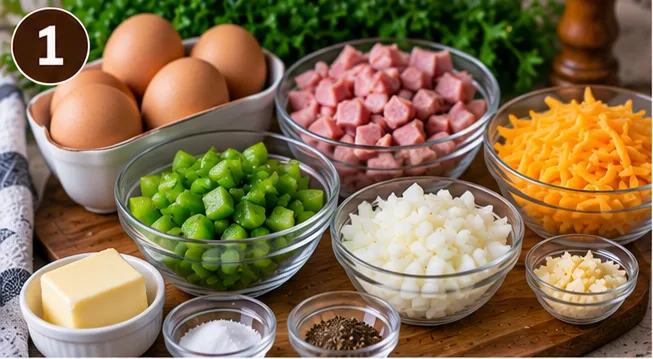
Why cook the filling first? Bell peppers and onions release moisture as they cook. If they went into the omelette raw, that moisture would leak into the eggs while they cook and can make the whole thing turn out watery instead of soft-set. Cooking the filling separately first solves that.
Getting the Eggs Right
This is the part that actually takes practice, and the biggest thing to know: low to medium-low heat, not medium-high. High heat cooks the outside of the eggs too fast while the inside stays raw, and it's the number one reason home-cooked omelettes turn out rubbery instead of soft.
- Pour the eggs into a buttered pan over medium-low heat and let them sit for about 20 seconds without touching them.
- Use a spatula to gently push the cooked edges toward the center, then tilt the pan so the raw egg on top runs into the space you just cleared.
- Repeat this every 15-20 seconds until the eggs are mostly set but still look a little wet and glossy on top — that's the moment to add the filling, not after the eggs look fully dry.
- Add the filling and cheese to one half, fold the other half over, and give it 30 seconds off direct high heat to finish setting and melt the cheese.

Doneness and Texture Cues
- Too wet still: the top looks like liquid egg — give it another 10-15 seconds before folding.
- Just right: the top looks glossy and just barely set, almost like soft-scrambled eggs that haven't fully firmed up yet — it will finish cooking from residual heat once folded.
- Overcooked: if the eggs look dry, matte, and slightly browned on the bottom, the heat was too high or it cooked too long. It will taste rubbery rather than soft.
Troubleshooting
My omelette keeps sticking and tearing when I try to fold it. A well-seasoned nonstick pan matters a lot here — if the pan isn't truly nonstick, even a perfectly cooked omelette can tear. A silicone or thin metal spatula also helps more than a rigid one.
My filling makes the eggs soggy. This means the vegetables weren't cooked long enough beforehand to release their moisture, or they weren't drained on a plate before adding.
Ingredient Swaps
- Ham swap: cooked bacon, breakfast sausage, or diced turkey all work in place of ham.
- Cheese swap: Swiss or Monterey Jack are common Denver omelette alternatives to cheddar.
- Vegetarian version: skip the ham and add mushrooms or spinach — just cook off any extra moisture first, same as the peppers and onions.
Serving Suggestions
Serve alongside Crispy Diner-Style Hash Browns and toast for a full diner-style breakfast plate.
Frequently Asked Questions
Can I make this ahead of time?
Not really — omelettes are a made-to-order dish, since reheated eggs turn rubbery fast. If you need a make-ahead egg breakfast, Overnight Sausage and Egg Breakfast Casserole is a better fit.
Why did my omelette turn brown on the bottom?
The heat was too high. Lower it and give the eggs more time at a gentler temperature.
Can I use egg whites only?
Yes, though the omelette will be less rich and can dry out a bit faster, since the fat in the yolks is part of what keeps it tender.
More Recipes You'll Love
All Breakfast Breakfast
Homemade Breakfast Sausage Patties
Ground pork mixed with a simple blend of sage, thyme, and a touch of brown sugar makes patties with more flavor than most store-bought versions.
 Breakfast
Freezer-Friendly Breakfast Burritos
Scrambled eggs, sausage, and cheese rolled into tortillas and frozen individually — a real make-ahead breakfast that reheats in minutes on a busy morning.
 Breakfast
Fluffy Buttermilk Pancakes
Buttermilk and a mix of baking soda and baking powder give these pancakes real height and a tender crumb, with crisp edges from a properly hot griddle.
 Breakfast
Crispy Diner-Style Hash Browns
The difference between soggy and genuinely crispy hash browns almost always comes down to one step: getting the water out of the shredded potatoes first.
 Breakfast
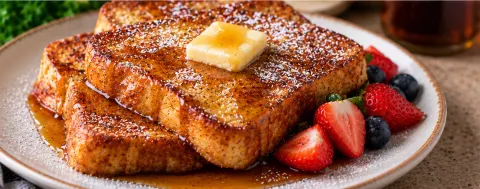
Classic Cinnamon French Toast
Thick slices of bread soak in a cinnamon-vanilla custard, then cook on a griddle until golden outside and custardy in the middle.
 Breakfast
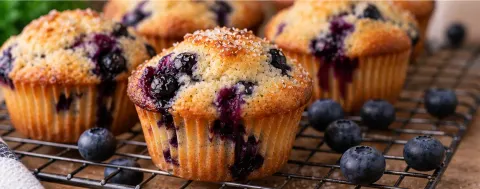
Classic Blueberry Muffins
Tender, bakery-style muffins studded with blueberries — the whole recipe hinges on not overmixing the batter and keeping the berries from sinking.
 Breakfast
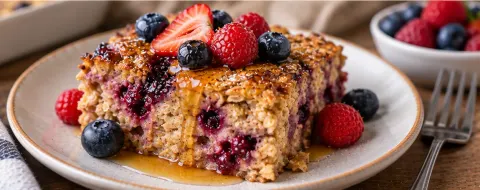
Baked Oatmeal with Berries
Old-fashioned oats bake into a firm, sliceable breakfast studded with berries — mix it the night before or bake it fresh, and it holds up all week.
 Breakfast
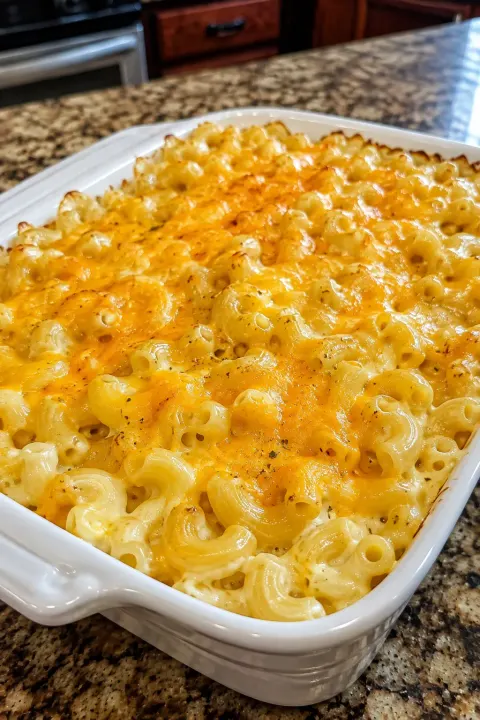
Oven-Baked 4-Ingredient Amish Ranch Macaroni 🧀🥣
If you’re looking for an easy comfort food side dish that the whole family will love, this Oven-Baked 4-Ingredient Amish Ranch Macaroni is the perfect recipe.