
Crispy Diner-Style Hash Browns
The difference between soggy and genuinely crispy hash browns almost always comes down to one step: getting the water out of the shredded potatoes first.
 By Amanda DavisSEP 9, 20265 MIN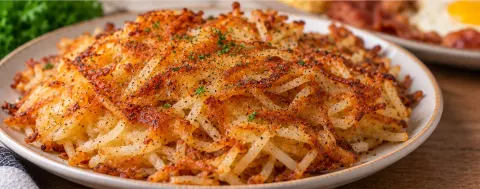
This post may contain affiliate links. If you buy something through one of them, we may earn a small commission at no extra cost to you. Learn more.
Ingredients
Instructions
- Shred the peeled potatoes using a box grater or food processor.
- Rinse the shredded potatoes under cold running water in a colander until the water runs mostly clear, to wash away excess surface starch.
- Transfer to a clean kitchen towel or several layers of paper towels, wrap, and wring firmly over the sink to squeeze out as much liquid as possible. Let them sit for a minute, then wring again — a surprising amount of water will come out.
- Toss the dried shredded potatoes with the onion (if using), salt, pepper, garlic powder, and paprika.
- Heat the oil and butter in a large skillet over medium-high heat until shimmering.
- Spread the potatoes in an even layer, pressing down gently with a spatula. Let them cook undisturbed for 5-7 minutes, until a deep golden crust forms on the bottom — resist the urge to stir them during this time.
- Flip in sections (a full flip isn't necessary) and press down again. Cook for another 5-7 minutes, until the second side is equally golden and crisp.
- Season with additional salt to taste and serve immediately.
The gap between hash browns that turn out soggy and pale versus genuinely crispy and golden almost never comes down to the recipe itself — it comes down to one prep step most people skip: getting the water out of the potatoes before they ever hit the pan.
The Step That Actually Makes Hash Browns Crispy
Raw shredded potatoes hold a lot of water. If that water goes straight into a hot pan, it steams the potatoes instead of frying them — which is exactly why hash browns often turn out soft and pale instead of crisp. Wringing the shredded potatoes in a towel to remove as much liquid as possible before cooking is the single most important step in this recipe, more than the oil, the pan, or the heat level.
What You'll Need
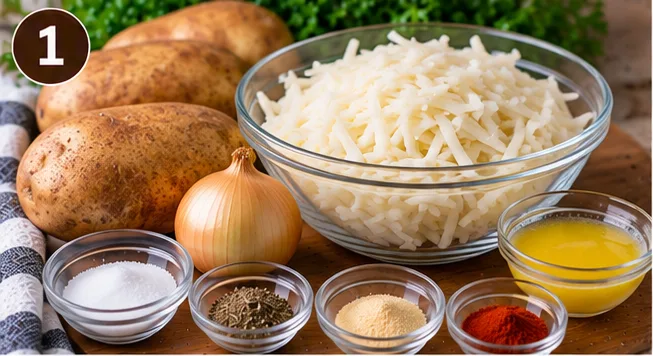
- 2 pounds russet potatoes, peeled
- 1 small onion, finely diced (optional)
- 1 teaspoon salt, plus more to taste
- ¼ teaspoon black pepper
- ½ teaspoon garlic powder
- ½ teaspoon paprika
- 3 tablespoons vegetable oil or clarified butter
- 1 tablespoon butter
Why russet potatoes specifically: they're starchy and lower in moisture compared to waxy potatoes like red or Yukon gold, which makes a real difference in how well they crisp up. Waxy potatoes can work in a pinch, but they hold onto more water even after wringing and won't crisp quite as well.
Removing the Moisture
- Shred the peeled potatoes on a box grater or in a food processor.
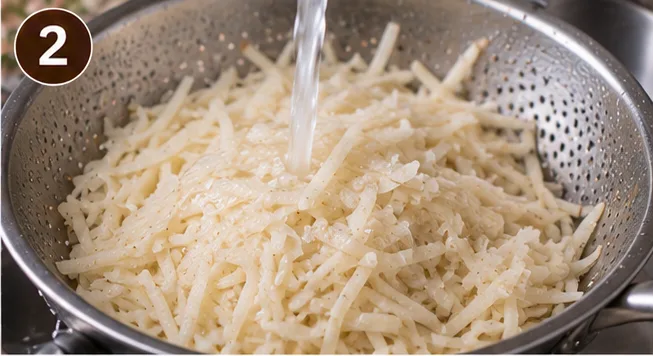
- Rinse the shreds under cold running water in a colander until the water runs mostly clear — this washes away the excess surface starch that can make hash browns taste gummy or glue together in clumps instead of separating into individual crispy strands.
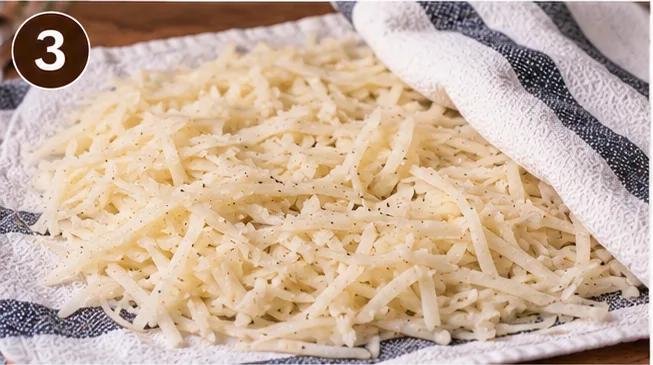
- Pile the shreds into a clean kitchen towel (or a few layers of paper towels) and wring hard over the sink — you'll see water actually run out.
- Let them sit for a minute, then wring a second time. It's common to be surprised by how much more liquid comes out the second round.
Cooking for a Real Crust
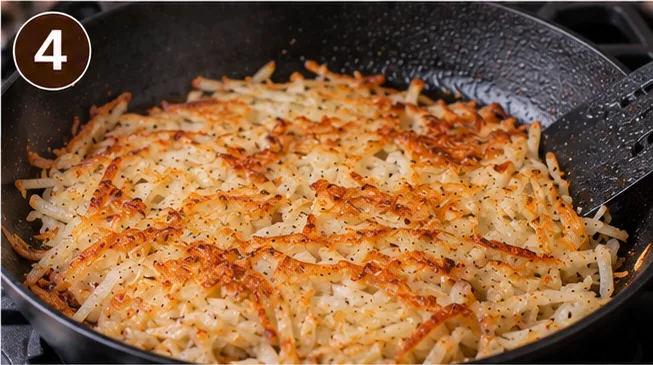
Medium-high heat, and don't stir once the potatoes hit the pan. This is the second most common mistake: stirring or flipping too early breaks up the crust before it has time to form. Spread the potatoes in an even layer, press down, and leave them alone for a full 5-7 minutes before checking. You'll know it's ready to flip when you can see a deep golden-brown edge along the sides of the pan.
Doneness Cues
A properly cooked hash brown patty has a deep golden-brown, almost mahogany-colored crust on both sides, with a tender (not mushy, not raw-crunchy) interior. If you lift a corner with a spatula and it looks pale or is sticking heavily to the pan, it needs more time before flipping.
Troubleshooting
My hash browns are soggy no matter what I do. This is almost always insufficient moisture removal. Wring harder, and wring twice — it feels excessive the first time you do it, but it's what actually works.
They're sticking to the pan and falling apart. Make sure the pan and oil are properly hot before the potatoes go in, and use a well-seasoned cast-iron or good nonstick skillet. A thin layer of oil isn't enough — you need enough to actually fry, not just grease the pan.
They're browning on the outside but the inside is still a bit raw. Lower the heat slightly and extend the cooking time — a very high heat browns the surface faster than the inside can cook through.
Storage, Freezing, and Reheating
- Fridge: store leftovers in an airtight container for up to 3 days.
- Reheat: a hot skillet or the oven brings back some crispness; a microwave will leave them soft.
- Freezer: shredded and wrung-out raw potatoes can be frozen in a single layer before cooking, for up to 2 months — thaw and pat dry again before frying, since ice crystals add back some moisture.
Serving Suggestions
These are a natural side for Loaded Denver Omelette or alongside Homemade Breakfast Sausage Patties for a full diner-style plate.
Variations
- Add-ins: shredded cheese stirred in during the last minute of cooking, or a pinch of smoked paprika in place of regular, both work well.
- Sweet potato version: shredded sweet potatoes can be used the same way, though they brown faster due to their sugar content, so watch them closely.
Frequently Asked Questions
Why rinse the potatoes if starch helps them crisp?
A quick rinse only washes away the loose surface starch that makes shreds clump together and turn gummy — the starch still inside each shred stays put and still helps the hash browns hold together. Wringing out the water afterward is still the step that matters most for crispness.
Can I use frozen store-bought shredded potatoes?
Yes — thaw them fully and press out any excess moisture the same way, since packaged frozen shreds still hold water.
Why do restaurant hash browns taste different from homemade?
Diners often cook on a well-seasoned flat-top griddle with a good amount of oil and very consistent heat, which is hard to fully replicate at home — but the moisture-removal step gets you most of the way there.
More Recipes You'll Love
All Breakfast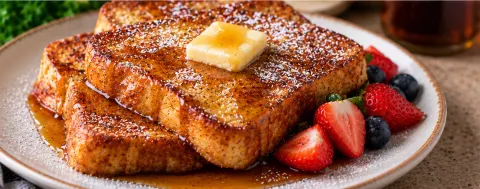 Breakfast
Classic Cinnamon French Toast
Thick slices of bread soak in a cinnamon-vanilla custard, then cook on a griddle until golden outside and custardy in the middle.
 Breakfast
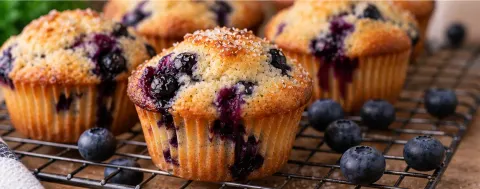
Classic Blueberry Muffins
Tender, bakery-style muffins studded with blueberries — the whole recipe hinges on not overmixing the batter and keeping the berries from sinking.
 Breakfast
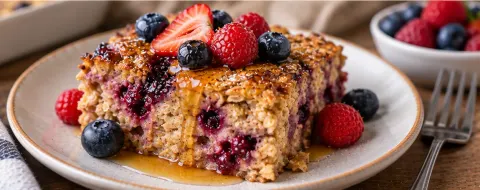
Baked Oatmeal with Berries
Old-fashioned oats bake into a firm, sliceable breakfast studded with berries — mix it the night before or bake it fresh, and it holds up all week.
 Breakfast
Oven-Baked 4-Ingredient Amish Ranch Macaroni 🧀🥣
If you’re looking for an easy comfort food side dish that the whole family will love, this Oven-Baked 4-Ingredient Amish Ranch Macaroni is the perfect recipe.
 Breakfast
What Happens When You Eat Eggs in the Morning? 8 Surprising Benefits
Eggs are affordable, filling and genuinely nutrient-dense — but what actually changes when you eat them first thing?
 Breakfast
The Ultimate Residue-Free Floor Cleaner Recipe
There’s something incredibly satisfying about sparkling clean floors—especially when they shine without that sticky film or dull haze that many commercial…
 Breakfast
Say Goodbye to Grease: A Simple, Efficient Way to Combat Kitchen Cabinet Buildup
Thank you so much for being here 💛 Truly. If you’ve ever run your hand across your kitchen cabinets and felt that sticky, dusty film staring back at you…
 Breakfast
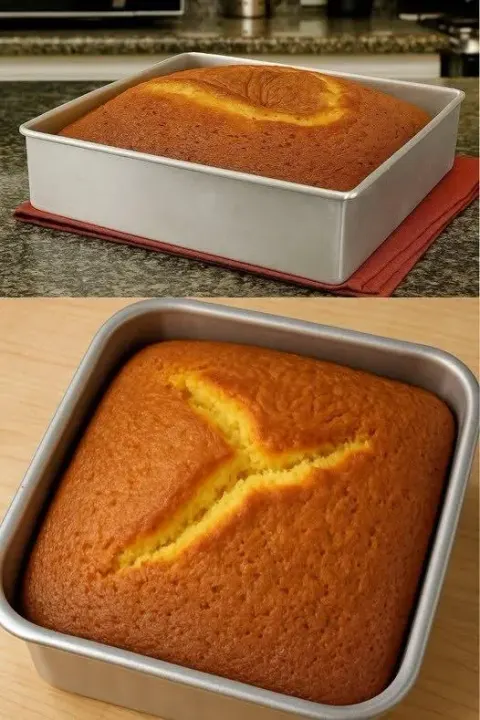
3-Ingredient Blender Cake – Quick and Fluffy in Just 30 Minutes
3-Ingredient Blender Cake – Quick and Fluffy in Just 30 Minutes is one of those recipes that feels almost too good to be true—and I’m genuinely grateful…