
Oat & Banana Bread – No Flour or Added Sugar
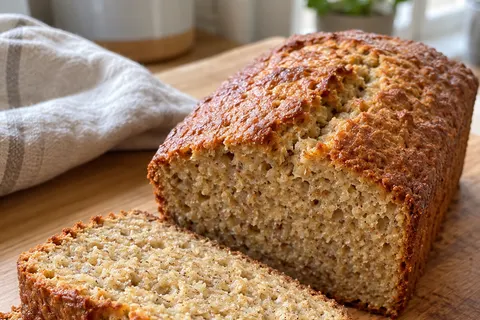
A small, moist oat banana loaf made with ground rolled oats, ripe bananas, eggs and unsweetened plant milk, with no added flour, sugar or oil.
 By Amanda DavisOCT 27, 202610 MIN
Ingredients
Instructions
- Heat the oven to 350°F (175°C) with a rack in the center. Line an 8x4-inch loaf pan with parchment paper, leaving a little overhang on the two long sides so you can lift the loaf out later.
- Put the rolled oats in a blender or food processor and grind for 30 to 60 seconds, stopping once to scrape the corners, until they look like fine flour with only a few small flecks.
- In a large bowl, mash the peeled bananas with a fork until mostly smooth, with just a few small lumps. You should have about 1 cup.
- Add the eggs and plant milk to the bananas and whisk until well blended and slightly frothy.
- In a separate bowl, stir the ground oats, baking powder, salt and cinnamon, if using, so the baking powder is evenly mixed in.
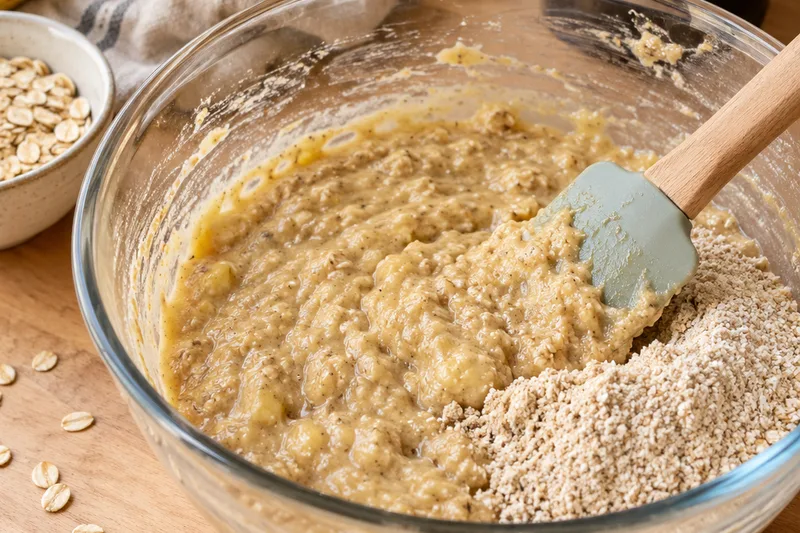
- Add the oat mixture to the banana mixture and stir with a spatula just until no dry oat flour remains. The batter will be thick but spoonable.
- Let the batter rest at room temperature for 10 minutes so the ground oats can absorb some of the liquid. It will thicken slightly.
- Scrape the batter into the lined pan and smooth the top into an even layer. It will fill the pan only about halfway.
- Bake for 35 to 45 minutes, until the top is golden and springs back when lightly pressed, a toothpick in the center comes out clean or with a few moist crumbs but no wet batter, and the center reads 200 to 205°F on an instant-read thermometer. Start checking at 35 minutes.
- Cool the loaf in the pan on a wire rack for 15 minutes, then lift it out with the parchment and let it cool completely on the rack, at least 1 hour, before slicing into 8 slices with a serrated knife.
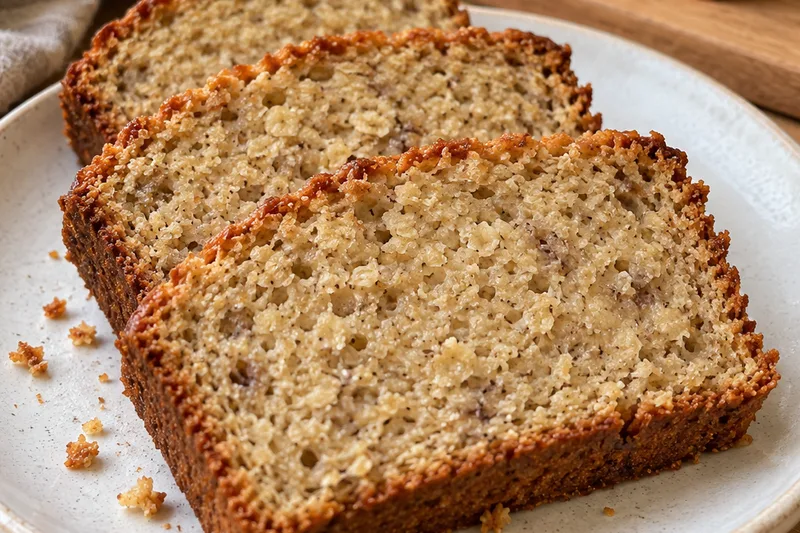
This Oat & Banana Bread is the kind of simple loaf you can make from what's already in the kitchen: two spotty bananas, a canister of rolled oats, a couple of eggs and a splash of plant milk. The oats are ground into a quick homemade oat flour, the bananas bring the sweetness, and a little cinnamon makes the kitchen smell like a bakery while it bakes.
Here's what to expect: this is a moist, tender and slightly dense banana loaf with a modest rise. It won't be tall and airy like a wheat-flour banana bread, and it makes one small, low loaf. That's exactly what makes it so good toasted for breakfast or packed for a snack.
Why You'll Enjoy This Recipe
- Seven simple ingredients, one of them optional.
- No separately added flour. The rolled oats are ground in a blender and become the flour.
- No added sugar, honey or syrup. Ripe bananas do the sweetening.
- No oil or butter. Bananas and eggs keep the crumb moist, and parchment paper means the pan doesn't need greasing.
- One blender, two bowls. Grind, stir, rest and bake.
- Easy to make gluten-free with oats labeled gluten-free (see below).
What "No Flour" and "No Added Sugar" Mean Here
No flour means there is no wheat flour or any other separately added flour in the recipe. The flour comes from the 2 cups of rolled oats that you grind yourself during preparation.
No added sugar means there's no sugar, honey, maple syrup or other sweetener in the batter. The loaf is still sweet, because ripe bananas contain naturally occurring sugars. That's why it isn't called sugar-free.
This bread contains eggs, so it isn't vegan.
Ingredients and Notes
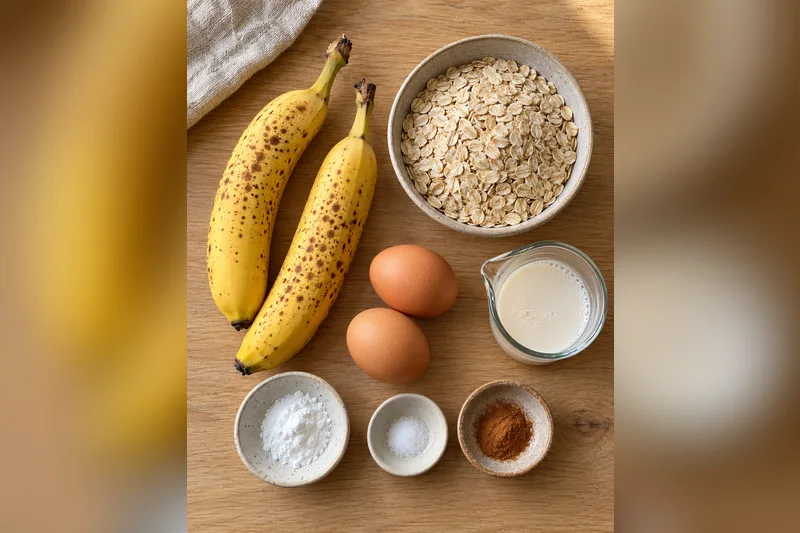
You'll find exact amounts in the ingredient list above. A few notes on choosing them:
Ripe bananas. Use 2 medium bananas, 7 to 8 inches long, that are heavily speckled with brown, about 8 ounces (225 g) once peeled. Mashed, that's about 1 cup. The riper the bananas, the sweeter and more flavorful the loaf, which matters when they're the only sweetener. If your bananas are small, use a kitchen scale or measure 1 cup mashed and add a bit of a third banana to make it up.
Old-fashioned rolled oats. 2 cups, about 160 g. Rolled oats grind into a fine, soft flour in a blender. Avoid steel-cut oats, which stay gritty. Quick oats grind easily too, but the recipe was written for rolled oats.
Eggs. 2 large eggs bind the loaf and give it structure. Room-temperature eggs blend more evenly into the banana; set them out for 20 to 30 minutes, or put them in a bowl of warm tap water for 5 minutes.
Unsweetened plant milk. ¼ cup (60 ml) of almond, soy or oat milk loosens the batter so the ground oats can hydrate. Make sure it's labeled unsweetened, since sweetened and vanilla plant milks contain added sugar.
Baking powder. 1 teaspoon (about 4 g) gives the loaf its gentle lift. Old baking powder loses strength, so check the date on the can.
Salt. A pinch, about ⅛ teaspoon, brings out the banana flavor without making the bread taste salty.
Ground cinnamon (optional). 1 teaspoon adds warmth. Leave it out for a plain banana-oat loaf.
For a Gluten-Free Loaf
Oats are naturally free of gluten, but they're often grown and processed alongside wheat, barley and rye, so regular oats can pick up gluten. If you're baking for someone who avoids gluten, use oats labeled gluten-free or certified gluten-free, and check that your baking powder and plant milk are also labeled gluten-free. People with celiac disease should follow their own healthcare provider's advice about oats.
Equipment and Pan Size
- An 8x4-inch loaf pan. This is a small batch, and the batter fills an 8x4-inch pan only about halfway. The baked loaf is low, roughly 2 to 2½ inches at the center, good for small slices but not a tall sandwich loaf. A larger 9x5-inch pan spreads the batter thinner and gives a flat loaf that bakes faster.
- Parchment paper, cut to line the bottom and the two long sides with a little overhang.
- A blender or food processor to grind the oats.
- Two mixing bowls, a fork or potato masher, a whisk and a spatula.
- A wire rack for cooling.
- An instant-read thermometer (optional, but the most reliable doneness check).
- A serrated knife for clean slices.
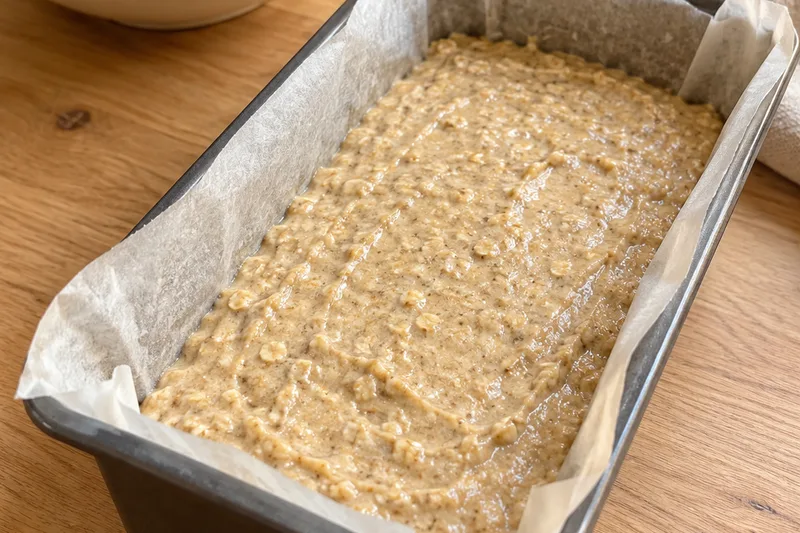
Using an 8½x4½-inch pan? It works too. The loaf will be a little lower and may finish about 5 minutes sooner, so start checking at 30 minutes.
Recipe Notes
- Times at a glance: about 10 minutes of hands-on prep, a 10-minute batter rest, then 35 to 45 minutes in the oven.
- Total time: the 1 hour 5 minutes on the recipe card uses the longer bake time. Allow at least 1 more hour of cooling before slicing.
- Yield: 1 small loaf (8x4 inches), cut into 8 slices about 1 inch thick.
- Oven temperature: 350°F (175°C), conventional (not convection) setting.
- Baking times vary. Ovens run hot or cool, and banana size changes the batter. Go by the doneness cues, not the clock.
How to Tell When It's Done
Start checking at 35 minutes. The loaf is ready when:
- The top is golden brown and springs back when you press it lightly in the center.
- A toothpick inserted in the center comes out clean or with a few moist crumbs, but no wet, shiny batter.
- The center reads 200 to 205°F on an instant-read thermometer pushed straight down through the top. This is the most reliable check, because a toothpick can come out clean before a moist loaf is fully set.
If it isn't ready, bake for 5 more minutes and check again. If the top is browning too fast before the center is done, lay a piece of foil loosely over the pan.
Why Cooling Matters
Oat banana bread keeps setting as it cools. Cut it hot and the center will seem gummy and the slices will crumble. Cool it in the pan for 15 minutes, lift it out by the parchment, and let it cool completely on a wire rack, at least 1 hour. Use a serrated knife and a gentle sawing motion.
Troubleshooting
Gummy center. Usually underbaking or slicing too early. Bake until the center reads 200 to 205°F, and let the loaf cool completely before cutting. Very large bananas can also add extra moisture; weigh them next time, or bake a few minutes longer.
Low rise. Some is expected, because oat flour has no gluten to trap air. A very flat loaf can come from old baking powder, a pan larger than 8x4 inches, or batter left to sit much longer than 10 minutes before baking. Use fresh baking powder and get the pan into the oven after the short rest.
Dry loaf. Often from overbaking, packed oats or underripe bananas. Weigh the oats, use well-speckled bananas, and start checking at 35 minutes.
Crumbles when sliced. Most often the loaf was still warm. It can also mean the oats were ground too coarsely or the batter was too dry. Cool it completely, grind the oats finely, and use a serrated knife. Chilled slices also tend to hold together better than slices at room temperature.
Serving Suggestions
The loaf is complete as it is. These extras are optional and not part of the base recipe or its no-added-sugar description, so check labels if you're keeping it that way:
- Toasted: warm a slice in the toaster or a dry skillet until the edges crisp.
- Spreads: natural peanut butter or almond butter with no added sugar.
- Fruit: fresh berries or banana slices on the side.
- With breakfast: alongside plain Greek yogurt or a Peanut Butter & Banana Oatmeal Bowl.
Optional mix-ins, folded into the batter just before it goes into the pan: up to ½ cup chopped walnuts or pecans. Mix-ins change the texture and slicing a little; the recipe card is written for the plain loaf.
Looking for more oat-based breakfasts? Try Baked Oatmeal with Berries, No Flour, No Sugar Oatmeal Breakfast Bake or No-Flour Cinnamon Apple Breakfast Muffins.
Storage and Freezing
Room temperature. Wrap the completely cooled loaf, or store the slices in an airtight container, and keep it at room temperature for up to 2 days. Because it's very moist and made without added sugar or oil, it keeps better chilled after that.
Refrigerator. Store it in an airtight container for up to 5 days. Line the container with a paper towel to absorb moisture. Chilled slices are firmer and slice more neatly, and they're very good toasted.
Freezer. Wrap individual slices in plastic wrap or parchment, then place them in a freezer bag. Freeze for up to 3 months for best quality. Thaw slices at room temperature for about 30 minutes, or toast them straight from frozen.
Tips for Success
- Banana ripeness: choose bananas with plenty of brown speckles or mostly brown peels. Yellow bananas with green tips are starchy and less sweet, and since there's no added sugar, the loaf will taste flat.
- Grinding the oats: blend until the oats look like fine flour, with only small flecks left. Coarse oats give a coarser, more crumbly loaf. Stop once to scrape the corners of the blender so no whole flakes hide there.
- Batter consistency: after the 10-minute rest, the batter should be thick, like a soft oatmeal, and mound slightly on a spoon. If it's so stiff it won't spread in the pan, stir in 1 more tablespoon of plant milk.
- Don't skip the rest: the 10 minutes let the ground oats soak up liquid, which helps the loaf hold together and bake more evenly.
- Measure the oats lightly: spoon them into the cup and level it off, or weigh 160 g. Packed oats make a drier loaf.
- Bake in the center of the oven, and avoid opening the door during the first 30 minutes.
- Cool completely before slicing, as explained above.
Frequently Asked Questions
Is this banana bread really flourless?
There's no wheat flour or any other separately added flour. The recipe uses 2 cups of rolled oats that you grind in a blender, so the oats become the flour.
Is it sugar-free?
No. There's no added sugar, honey or syrup, but bananas contain naturally occurring sugars, which is what sweetens the loaf.
Can I use store-bought oat flour?
Store-bought oat flour can be finer and pack differently than oats you grind yourself, so the amount isn't one-to-one by volume. If you try it, weigh about 160 g, the same weight as the rolled oats, and expect the batter to be a little thicker.
Why is my loaf so short and dense?
That's normal for this recipe. Oat flour has no gluten, and there's only a small amount of batter, so it bakes into a moist, slightly dense, low loaf in an 8x4-inch pan.
Can I make it without eggs?
The eggs provide most of the structure, so this recipe isn't written for an egg substitute and may not hold together without them.
Can I use regular dairy milk?
Yes, ¼ cup of dairy milk works the same way. Just note the recipe is written for unsweetened plant milk.
Can I make muffins instead?
The recipe is written for a loaf. Muffins would need a much shorter baking time, so watch them closely and use the same doneness cues: golden, springy tops and a clean toothpick.
Is it gluten-free?
Only if you use oats labeled gluten-free or certified gluten-free, along with baking powder and plant milk that are also labeled gluten-free. Regular oats are often cross-contaminated with wheat, barley or rye.
More Recipes You'll Love
All Breakfast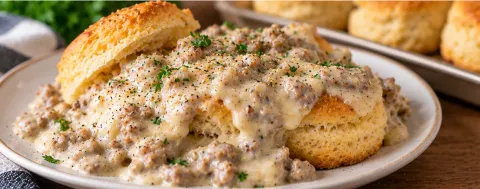 Breakfast
Southern Sausage Gravy and Biscuits
Buttery, flaky biscuits get smothered in a peppery sausage gravy made from scratch — a classic Southern breakfast that's really just a good roux away.
 Breakfast
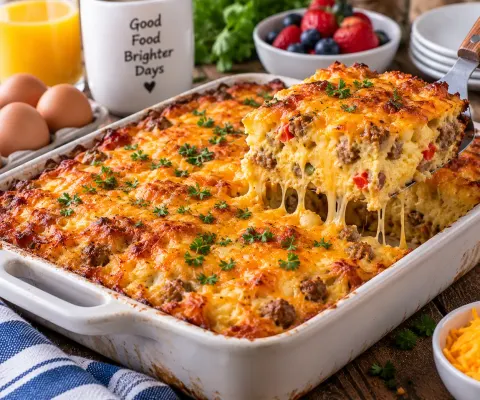
Overnight Sausage and Egg Breakfast Casserole
Bread, sausage, eggs, and cheese soak together overnight so all that's left in the morning is baking a golden, hands-off casserole for a crowd.
 Breakfast
Loaded Denver Omelette
Ham, bell peppers, and onions get folded into a soft-cooked omelette for a protein-packed breakfast that's really just about timing the eggs right.
 Breakfast
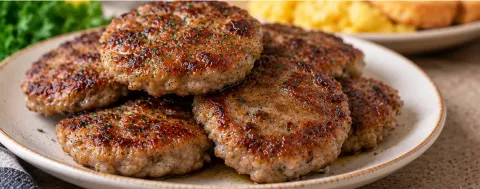
Homemade Breakfast Sausage Patties
Ground pork mixed with a simple blend of sage, thyme, and a touch of brown sugar makes patties with more flavor than most store-bought versions.
 Breakfast
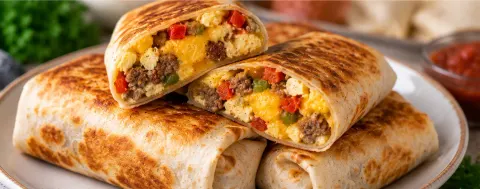
Freezer-Friendly Breakfast Burritos
Scrambled eggs, sausage, and cheese rolled into tortillas and frozen individually — a real make-ahead breakfast that reheats in minutes on a busy morning.
 Breakfast
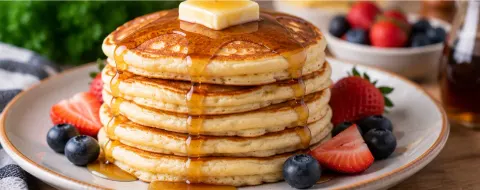
Fluffy Buttermilk Pancakes
Buttermilk and a mix of baking soda and baking powder give these pancakes real height and a tender crumb, with crisp edges from a properly hot griddle.
 Breakfast
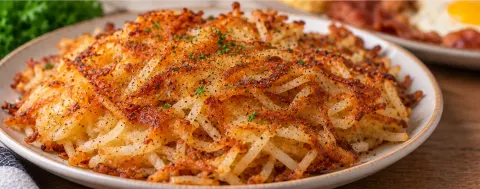
Crispy Diner-Style Hash Browns
The difference between soggy and genuinely crispy hash browns almost always comes down to one step: getting the water out of the shredded potatoes first.
 Breakfast
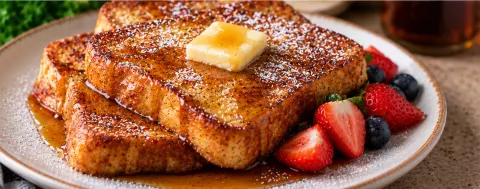
Classic Cinnamon French Toast
Thick slices of bread soak in a cinnamon-vanilla custard, then cook on a griddle until golden outside and custardy in the middle.